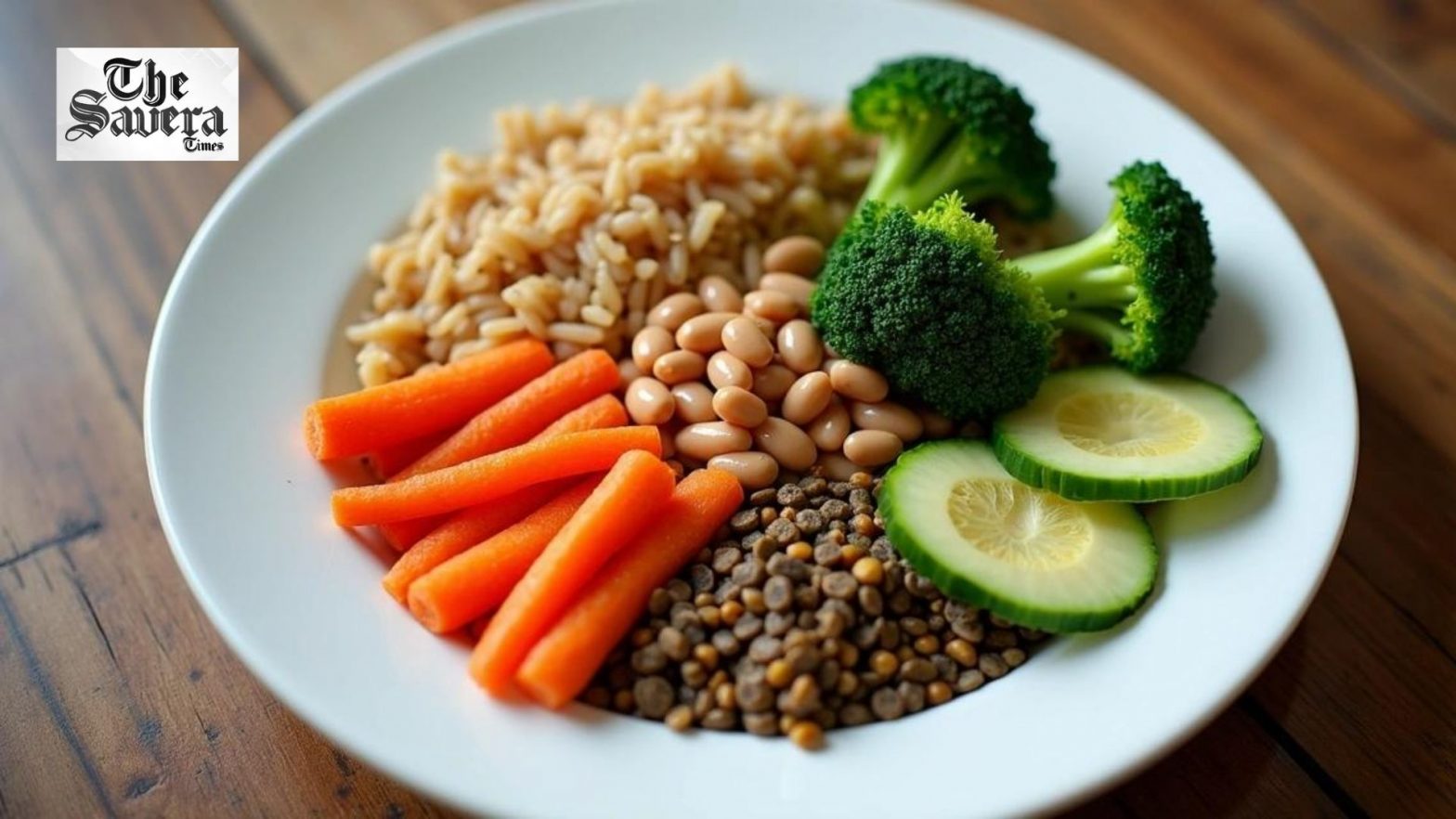
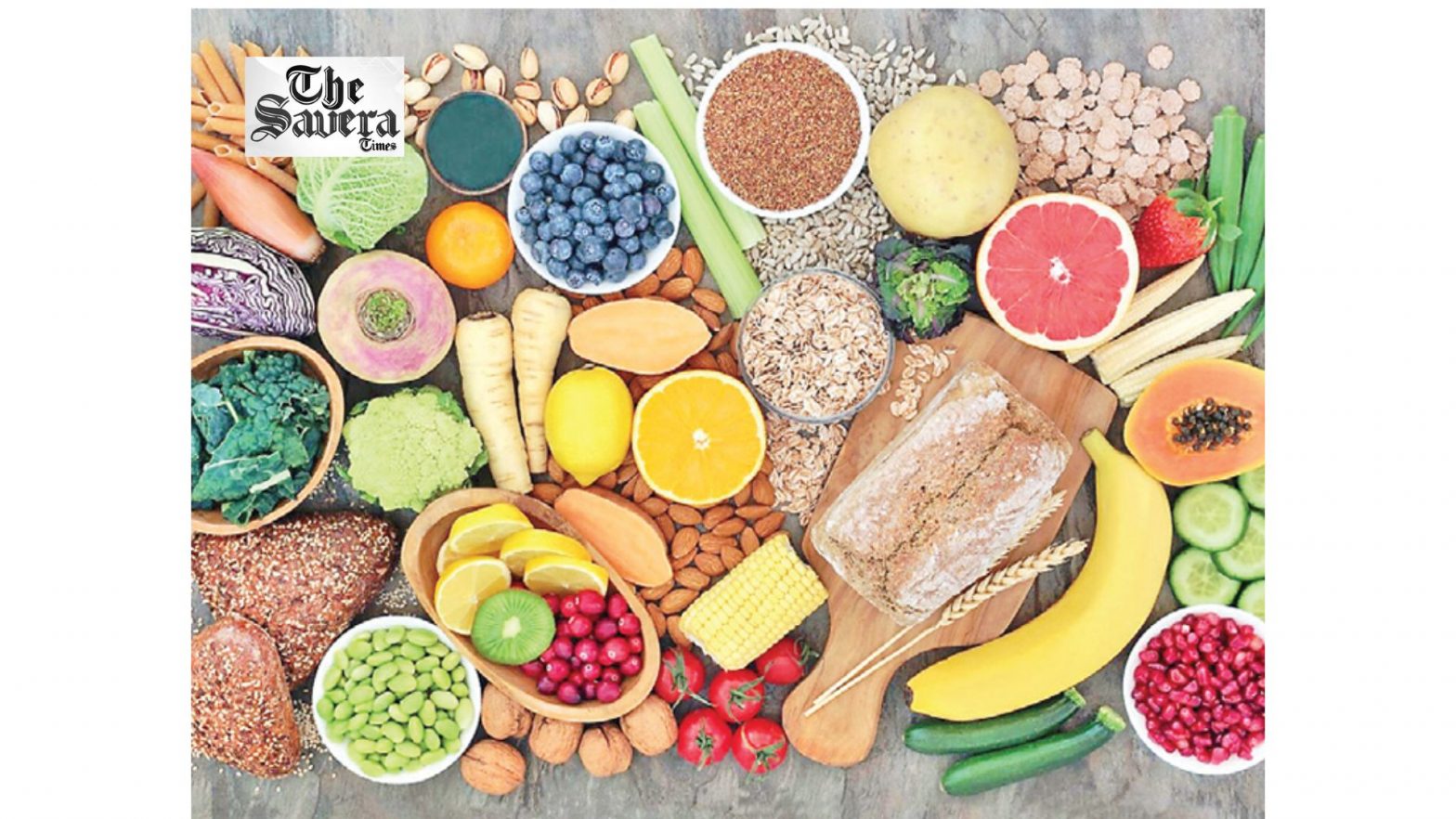
New research has found that those who consume a diverse range of foods rich in flavonoids, such as tea, berries, dark chocolate, and apples, could lower their risk of developing serious health conditions and have the potential to live longer. The study was led by a team of researchers from Queen’s University Belfast, Edith Cowan.
~Shagun An estimated 645 million people faced hunger in 2025, a new United Nations report has found, marking a slight decline from the previous year but still leaving the world far off track to meet its zero hunger target by 2030. The The State of Food Security and Nutrition in the World 2026 report, released.
Despite India’s abundant year-round sunshine, the country is currently facing what health experts call a “Vitamin D paradox”—a massive surge in vitamin D deficiency, particularly among young adults and urban populations. Recent data indicates that nearly 70% to 90% of Indians are deficient in this critical nutrient A surprising deficiency in a sun-rich nation Vitamin.
New research has found that those who consume a diverse range of foods rich in flavonoids, such as tea, berries, dark chocolate, and apples, could lower their risk of developing serious health conditions and have the potential to live longer.
Madhya Pradesh has secured the top position in the Anaemia Mukt Bharat (AMB) Scorecard for 2025–26, reflecting strong performance in reducing anaemia among women, children, and adolescents under the national health programme. Deputy Chief Minister Rajendra Shukla credited the achievement to the dedicated efforts of health workers, including ASHA workers, ANMs, Anganwadi staff, and medical.
India’s top policy think tank, NITI Aayog, has raised concerns over the rapid shift in dietary habits, warning that it could negatively impact gut health among the population. The report highlights how increasing consumption of processed foods, refined sugars, and low-fibre diets is disrupting the natural balance of gut microbiota. Experts note that traditional Indian.