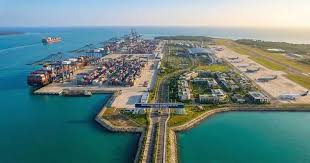
The Great Nicobar Project, work on which is underway, aims to transform the Great Nicobar into a strategic maritime and economic hub by leveraging its proximity to the global East–West shipping route and reducing dependence on foreign transshipment ports keeping in view India’s defence and national security. The project, which will strengthen India’s strategic presence.
On one hand, the atmosphere of war continues, while on the other, in the peaceful atmosphere from Punjab to Delhi, terrorists and anti-social elements are not refraining from repeatedly creating sensation with threats of bomb blasts. Threats to bomb the Chandigarh Secretariat, Punjab University, and schools have been floating in the police control room for.
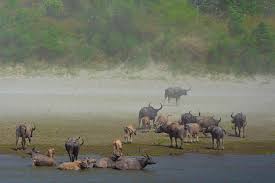
Four wild water buffaloes (one male and three females) have been translocated from Assam’s Kaziranga National Park and Tiger Reserve (KNPTR) to Madhya Pradesh’s Kanha Tiger Reserve in a landmark conservation effort to restore an endangered species to its historic range. A total of 15 wild water buffaloes, including females, will be translocated to the.
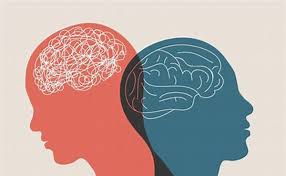
DC Pathak All conflicts — interpersonal, social and political — are traceable to lesser thoughts afflicting the human mind at the cost of sanity. Sanity is broadly the gain accruing from a combination of ‘awareness’ with ‘acceptance’ of the larger realities of life and a certain capacity to relentlessly follow the path of duty without.
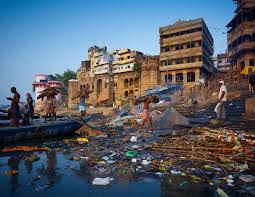
Mahesh Ganguly South Asia stands at a critical inflection point in water diplomacy as the Ganga Water treaty (GWT) is set to expire in December 2026. Signed on December 12, 1996, by then Indian Prime Minister H D Deve Gowda and Bangladesh Prime Minister Sheikh Hasina, the framework established a dry-season water sharing mechanism based.
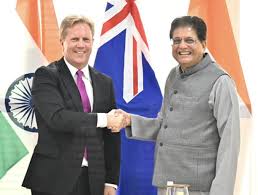
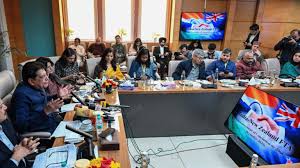
New Zealand Trade and Investment Minister Todd McClay has said that the India-New Zealand FTA serves as a beacon a bright light that shows how negotiating high-quality agreements and honouring commitments can help economies grow, which ultimately benefits our citizens. In an exclusive interview, McClay, said that the benefit of the proposed deal is fruitful.
In our country, buying gold on Akshaya Tritiya or other festivals is considered auspicious. Looking back, it appears that buying as much gold as possible and storing it in treasuries for financial security has been a practice not only for ordinary families but also for governments. The recent surge in gold prices and the average.
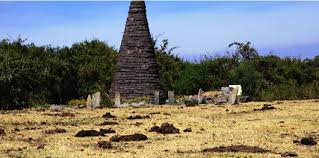
The hills, which are renowned for tea and coffee plantations, are considered sacred by the Toda tribe, who have lived there for thousands of years. The pastoral community believes that their gods and goddesses lived among them once and became a part of the sacred landscape over time. Vasamalli knows her oral traditions through her.
Rajesh Agrawal For much of modern economic history, the logic of trade was simple: comparative advantage. The system worked – until it didn’t. With a series of disruptions in recent years, marked by geopolitical tensions and the reconfiguration of global supply chains, the geometry of trade agreements is being reimagined. For like-minded democracies, the question.
India is undoubtedly a young country. Half of the country’s population falls within the working age group, between 18 and 35. India lacks a significant and active plan to provide employment to unemployed youth, so many young people flee to foreign countries to make their fortunes. Young people who travel abroad typically cite studies as.
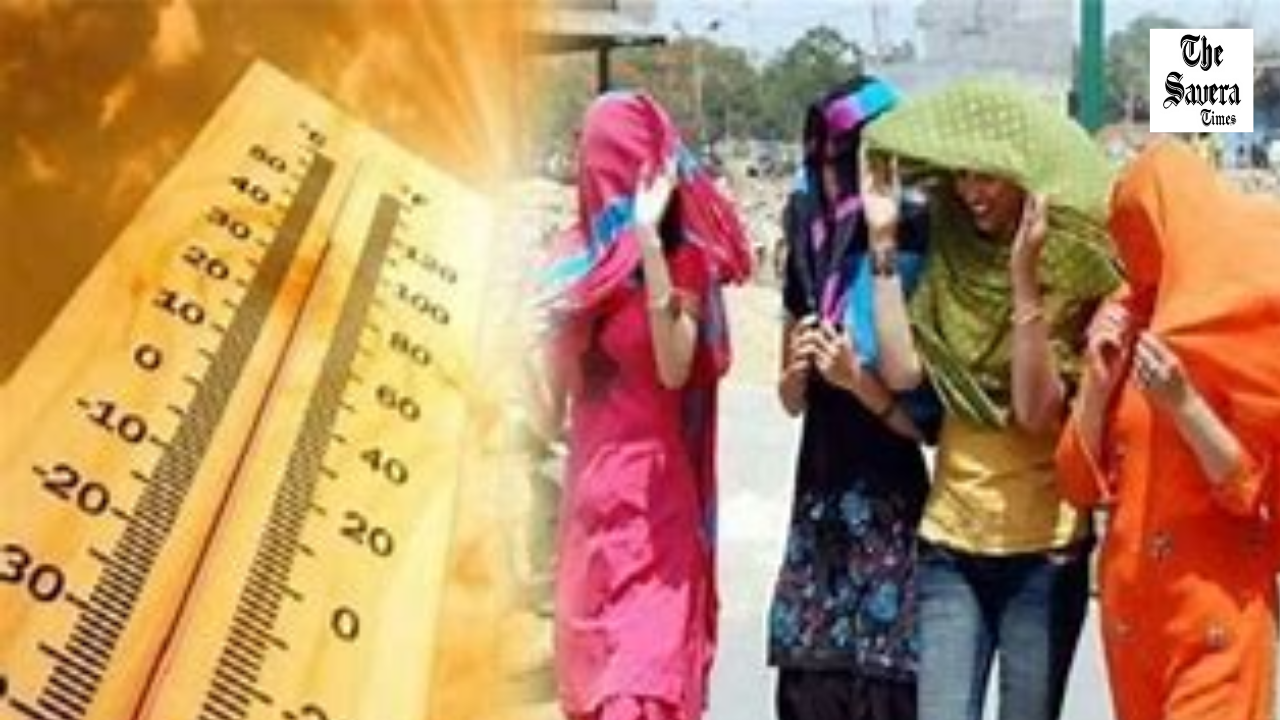
By the end of this century, agricultural workers across much of South Asia and parts of Central and South America could face up to 250 days a year of conditions so hot that their bodies cannot sustain meaningful physical labour. In one of the most comprehensive global assessments of how rising temperatures are reshaping the.