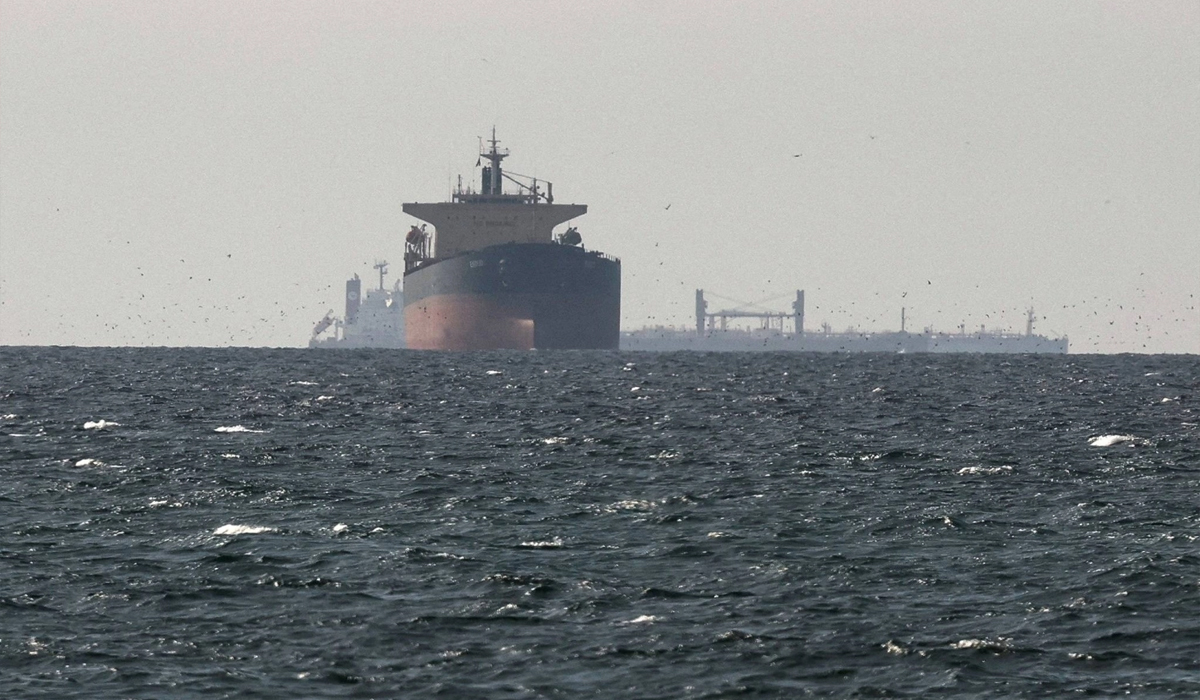
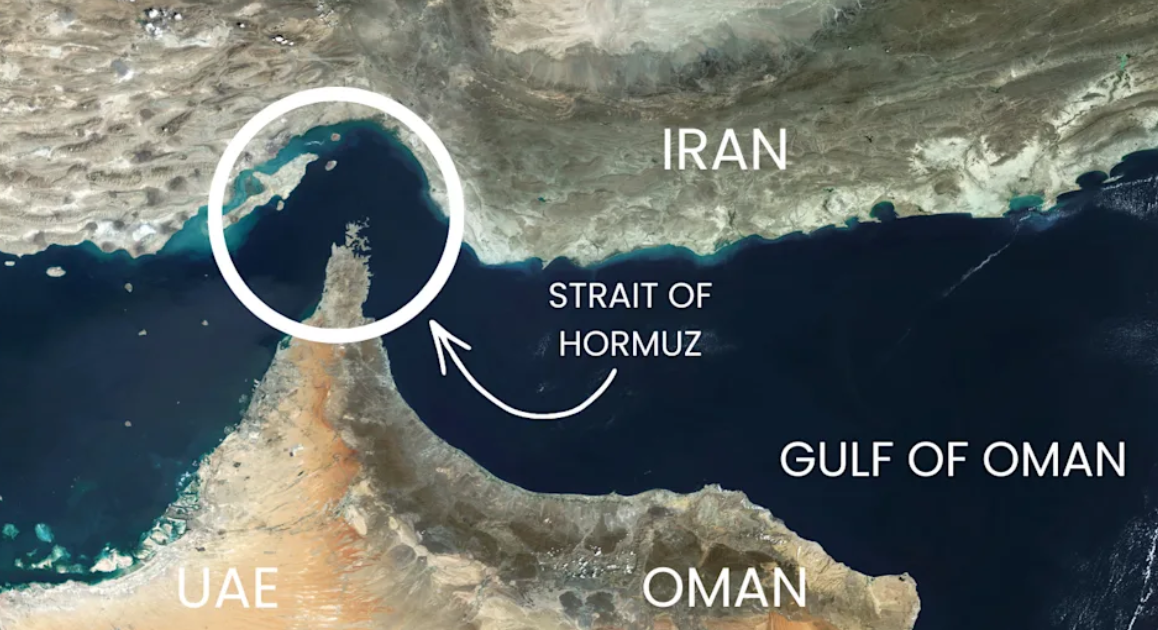
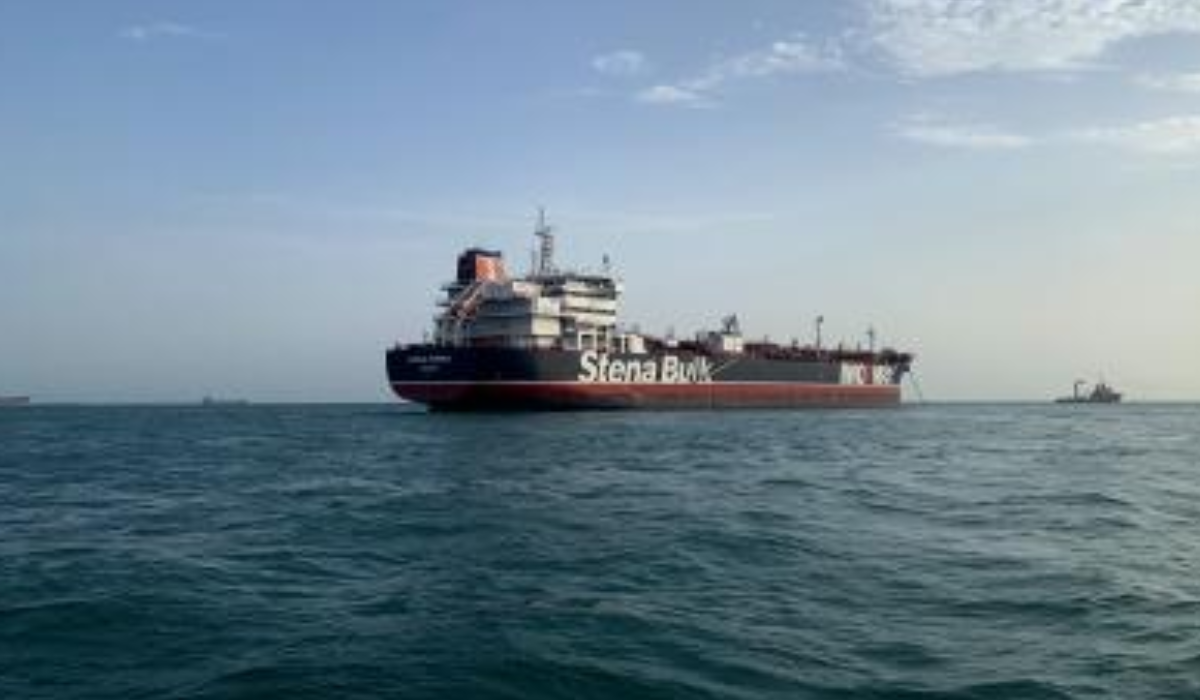
Iran's dominance over the Strait of Hormuz remains evident, with surveillance through the chokepoint waters now extending from the tiny Iranian Larak island, while the US security structure over the Gulf has largely disintegrated, with no clear alternative framework yet in place.
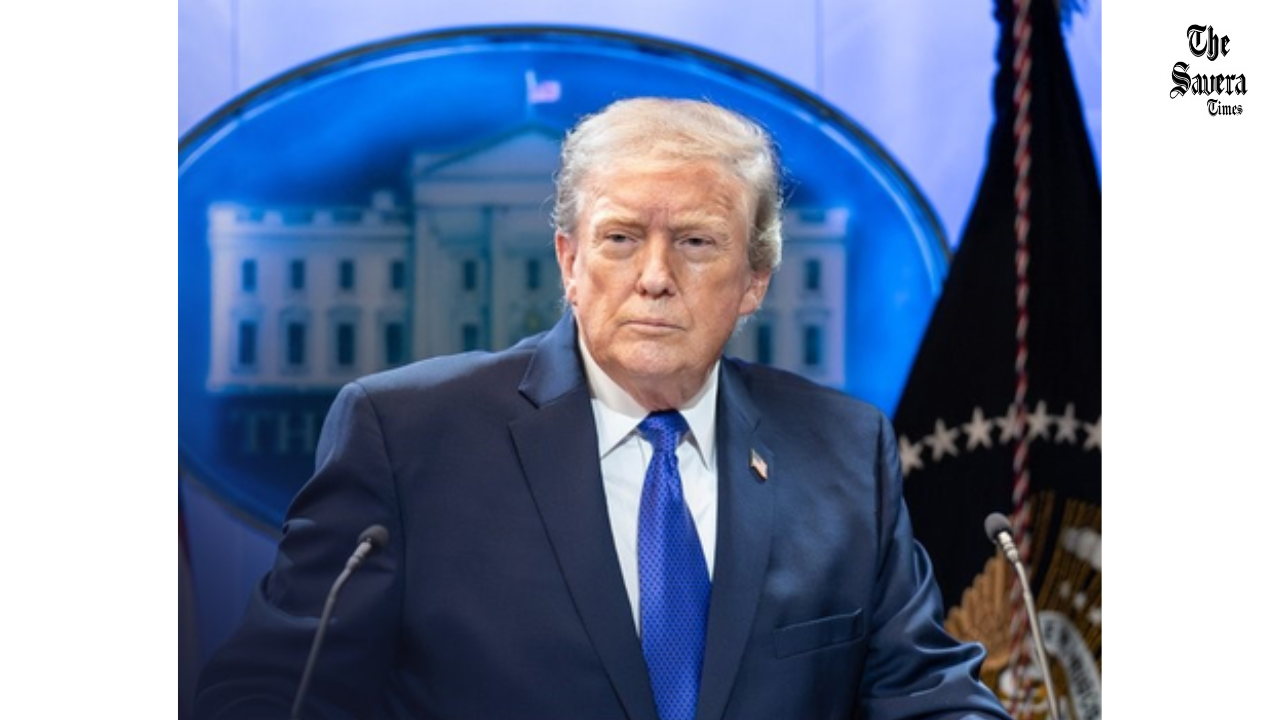
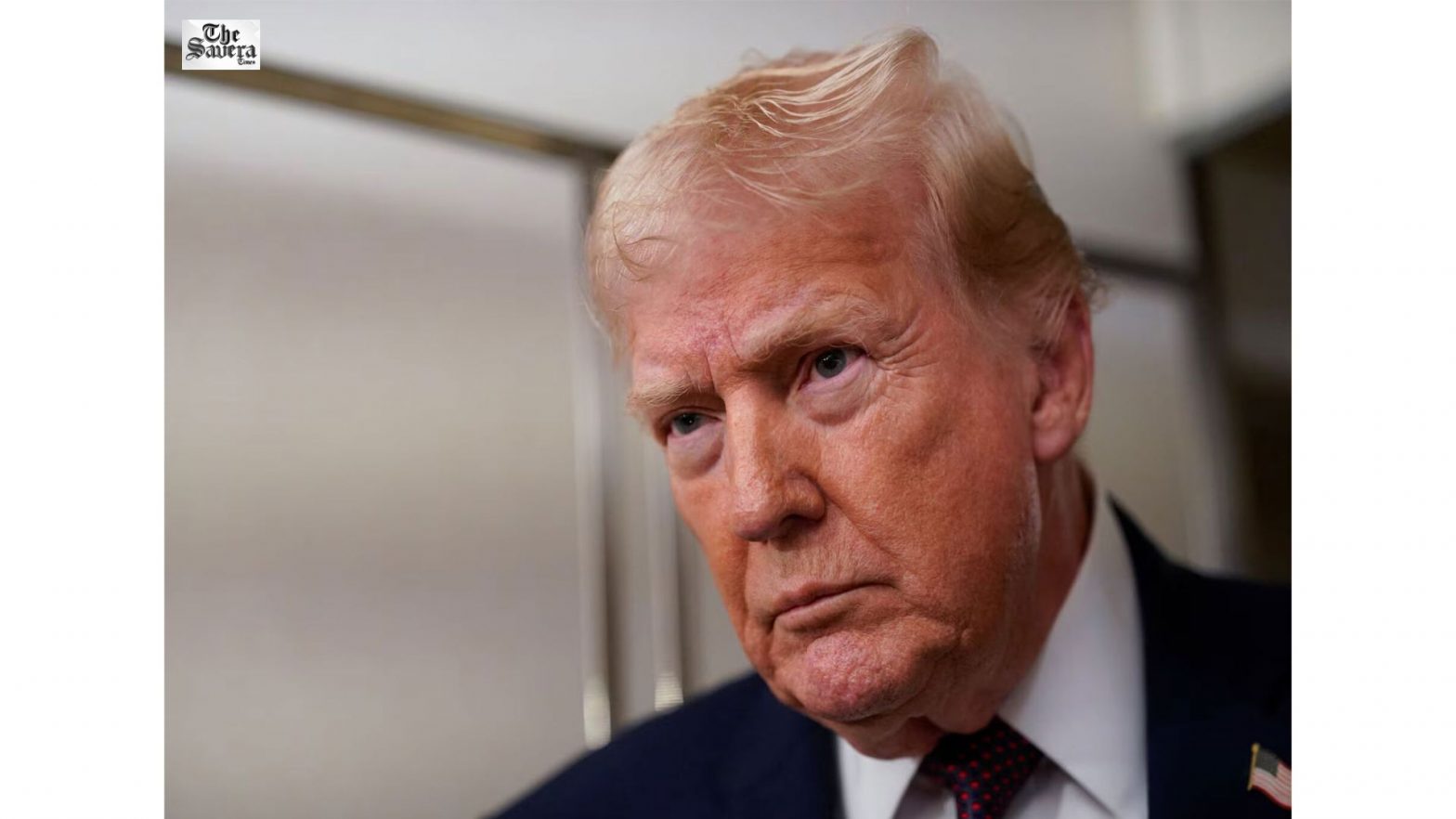
US President Donald Trump accused Iran of violating a ceasefire understanding by restricting oil shipments through the Strait of Hormuz and warned Tehran against imposing fees on passing tankers. “Iran is doing a very poor job, dishonorable some would say, of allowing Oil to go through the Strait of Hormuz,” Trump said in a social media post.
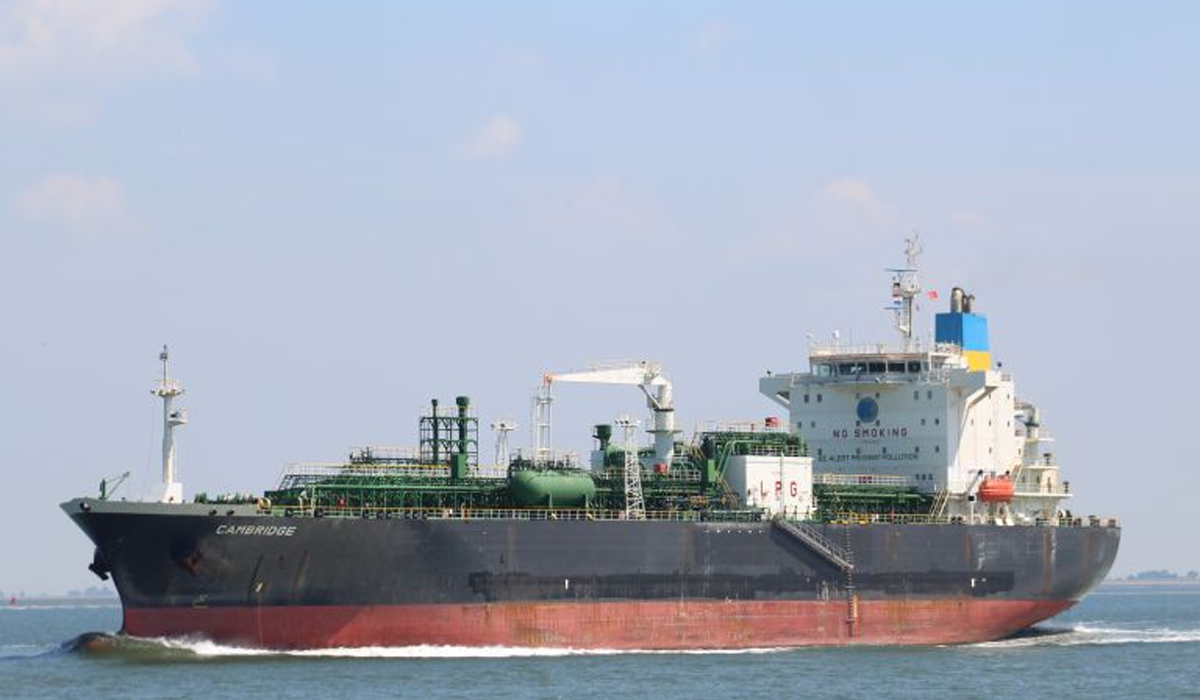
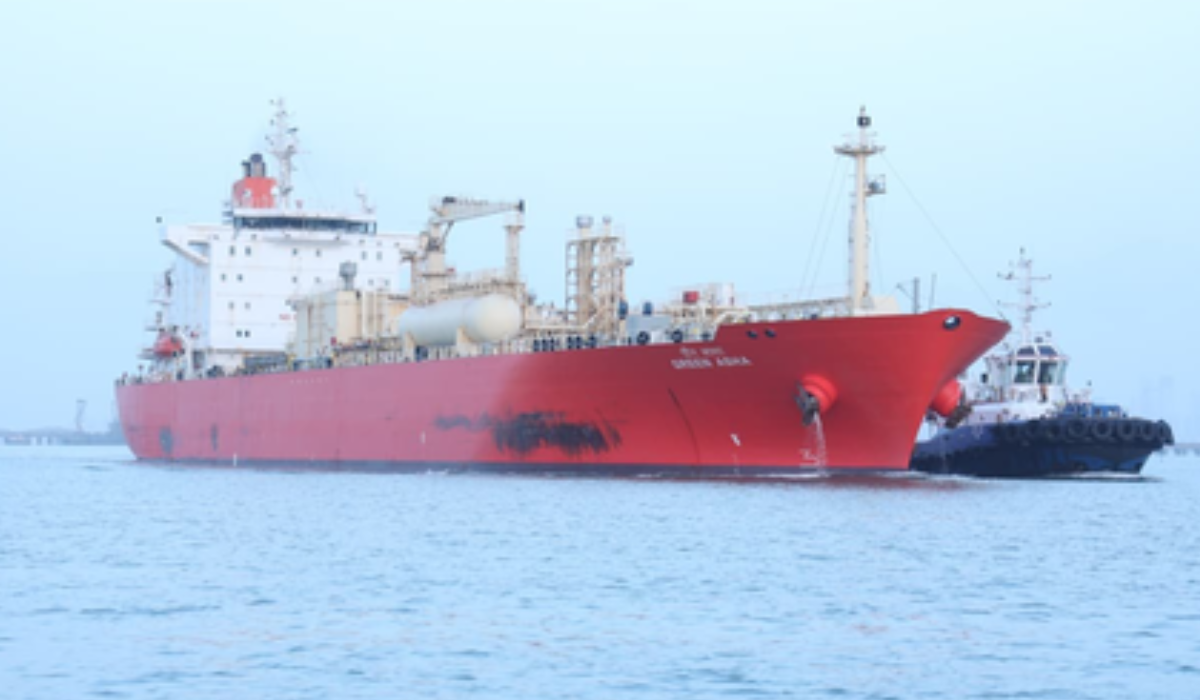
New Delhi: India-flagged merchant ship Green Asha, which crossed the Strait of Hormuz on April 5, has safely reached Jawaharlal Nehru Port Authority (JNPA) in Navi Mumbai on Wednesday with its cargo of 15,400 tonnes of liquefied petroleum gas (LPG), according to an official statement. The arrival of the tanker has come at a crucial.
The IRGC Navy has directed all cargo vessels and boats to adhere to these new, designated routes. It has been ensured that all ship movements will take place under the strict surveillance of the IRGC Navy.
Washington DC: US President Donald Trump said on Wednesday that Washington is considering a “joint venture” with Iran to secure the Strait of Hormuz, following his announcement of a two-week ceasefire. Speaking during an interview with ABC News, when asked whether Tehran would be allowed to charge tolls for shipping through the strait, the US.
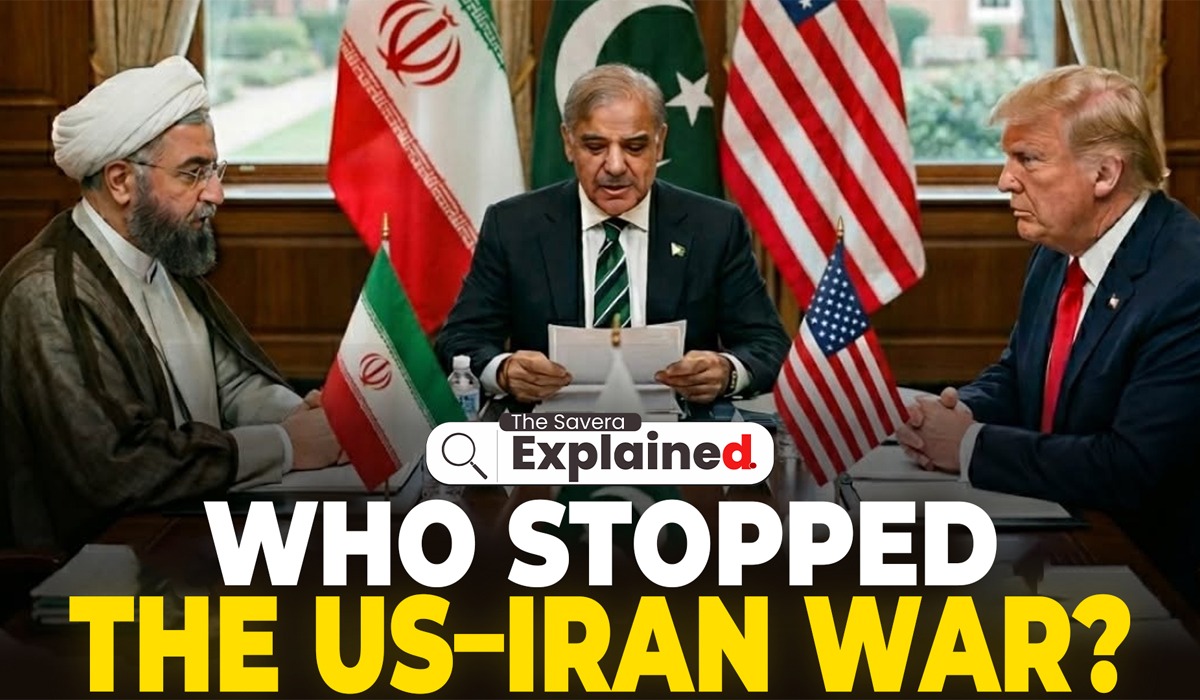
In a dramatic twist that caught the world off guard, the United States and Iran agreed to a two-week ceasefire on April 7, 2026. U.S. President Donald Trump announced the halt late at night, just as his deadline for wider attacks on Iran loomed. Iran quickly accepted, calling it a “victory” and promising to reopen.
Washington: The Strait of Hormuz is set to reopen to commercial shipping after Iran agreed to allow safe passage under a ceasefire framework reached with the United States, Secretary of War, Pete Hegseth said on Wednesday. “You saw the initial agreement that we struck, which is Iran’s let ships go through… they will be sailing,”.
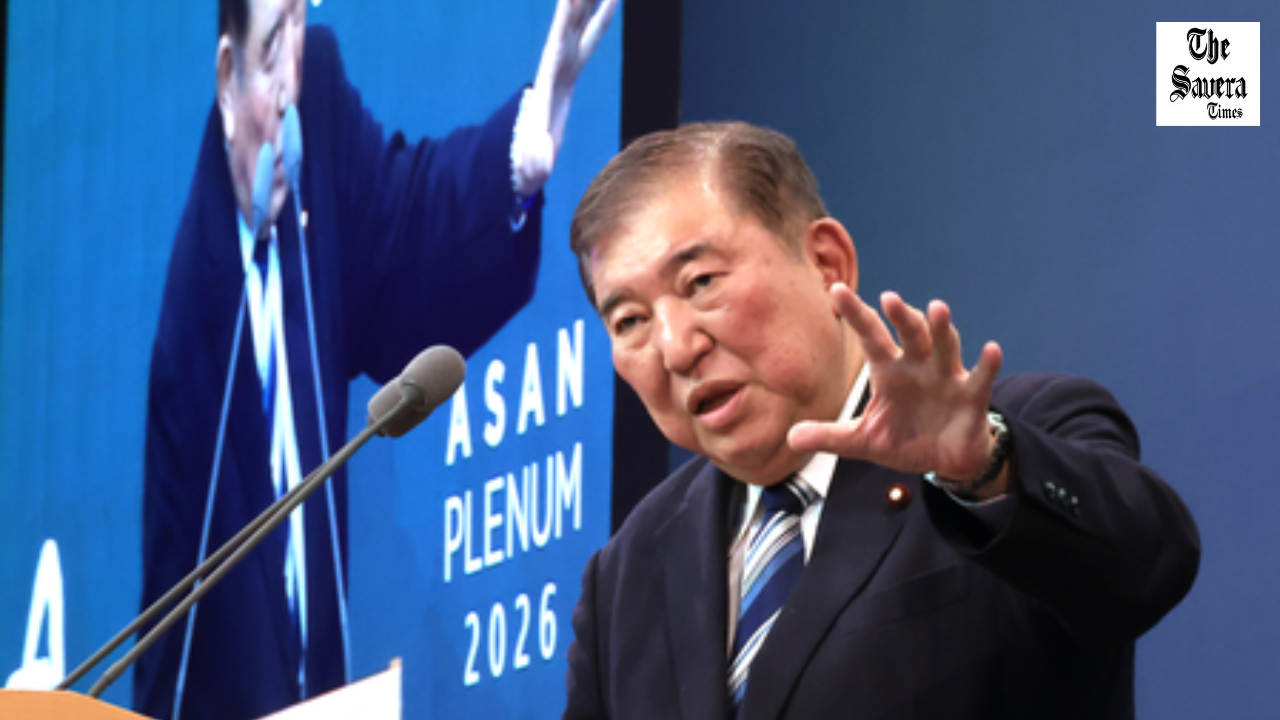
Former Japanese Prime Minister Shigeru Ishiba on Wednesday called for South Korea and Japan to work together, such as at the UN level, to help reopen the Strait of Hormuz, citing deepening supply disruptions from the war against Iran that are affecting the global economy.
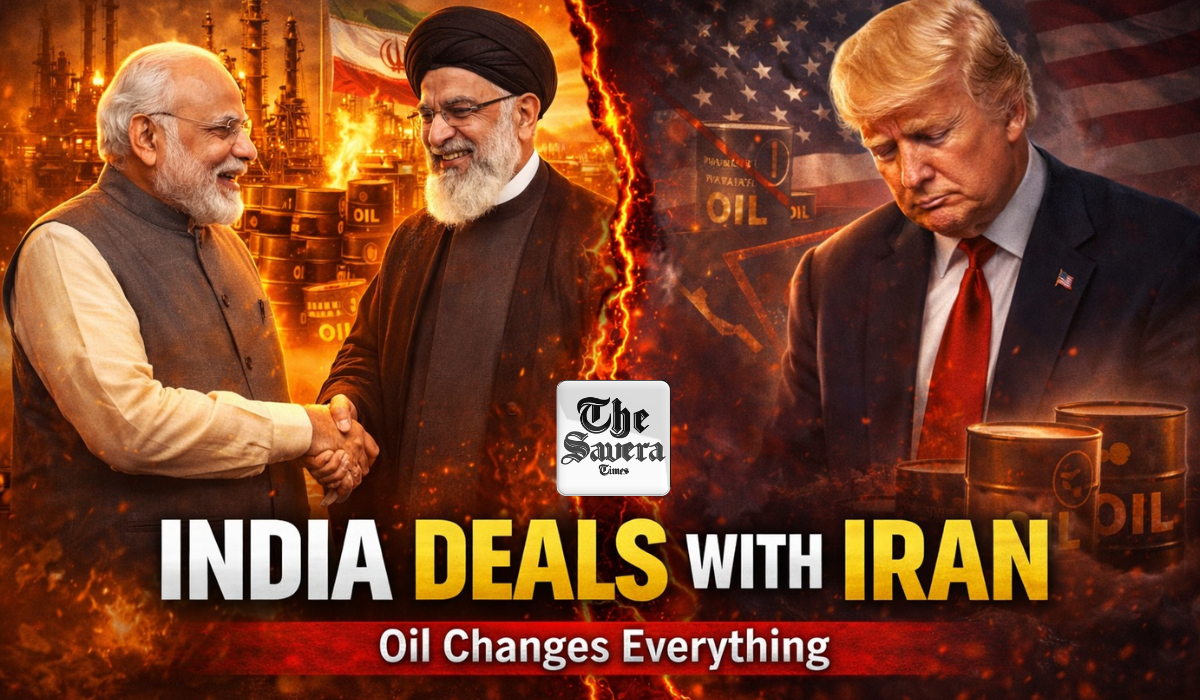
When the world’s oil lifeline is under fire, India has made a quiet but powerful move — returning to Iranian oil after seven long years. At a time when the Strait of Hormuz is turning into a conflict zone and global energy markets are rattling, India has stepped in with a decision that is as.