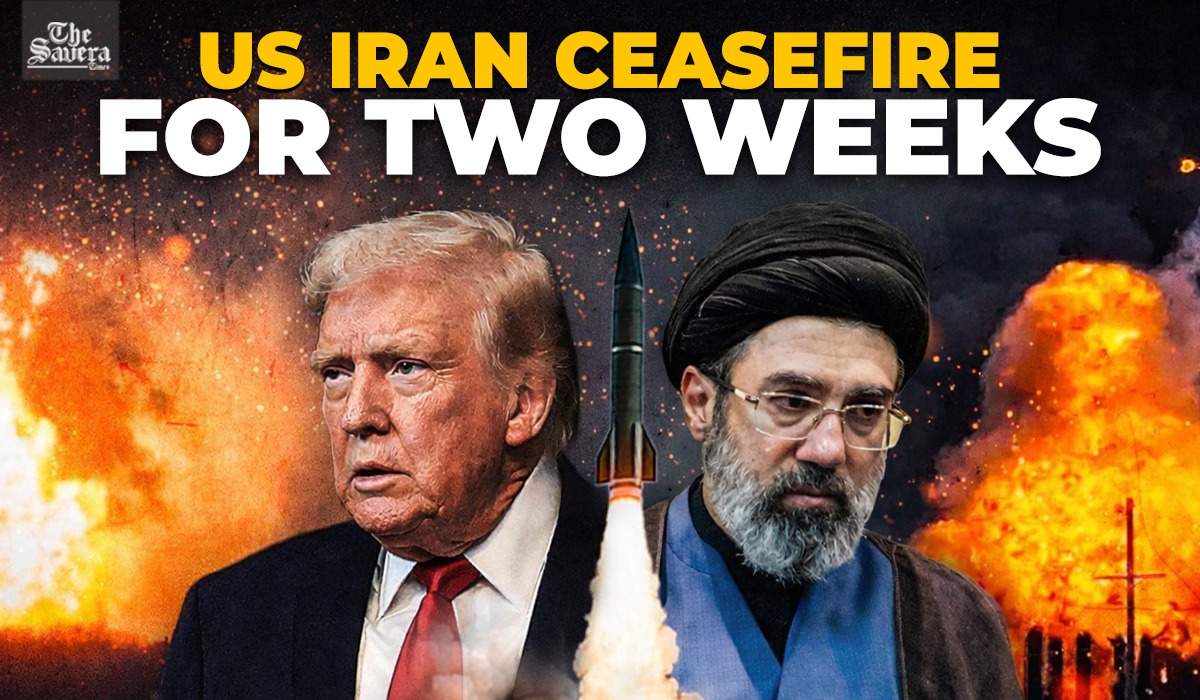
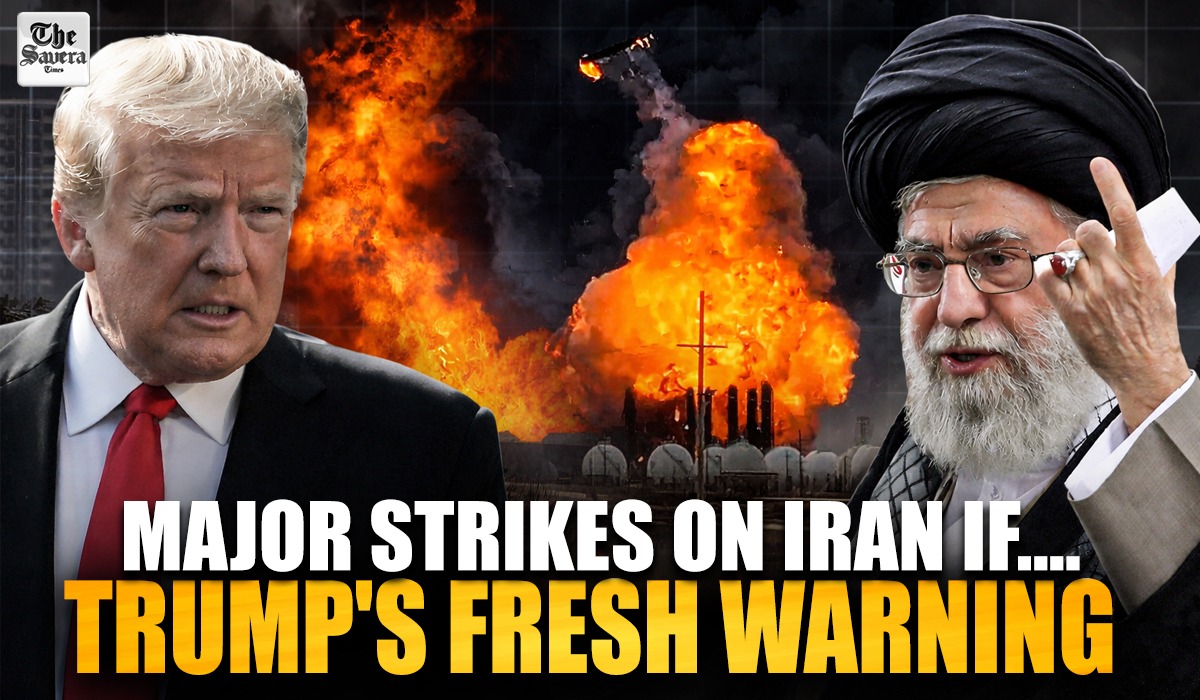
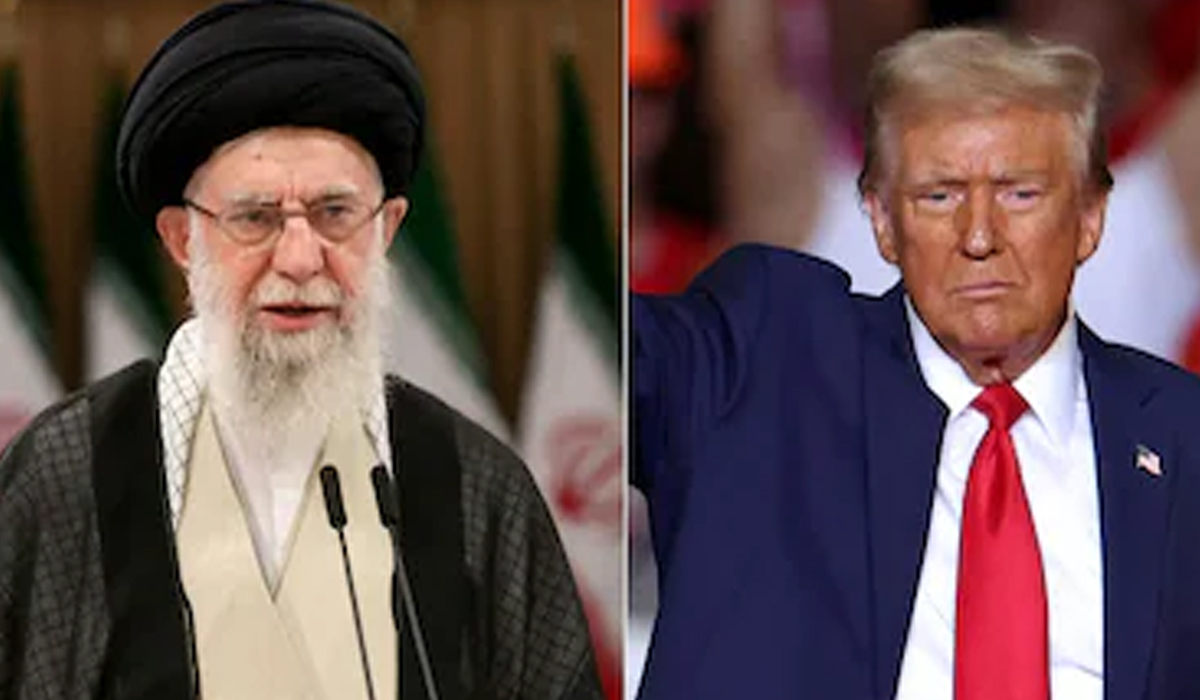
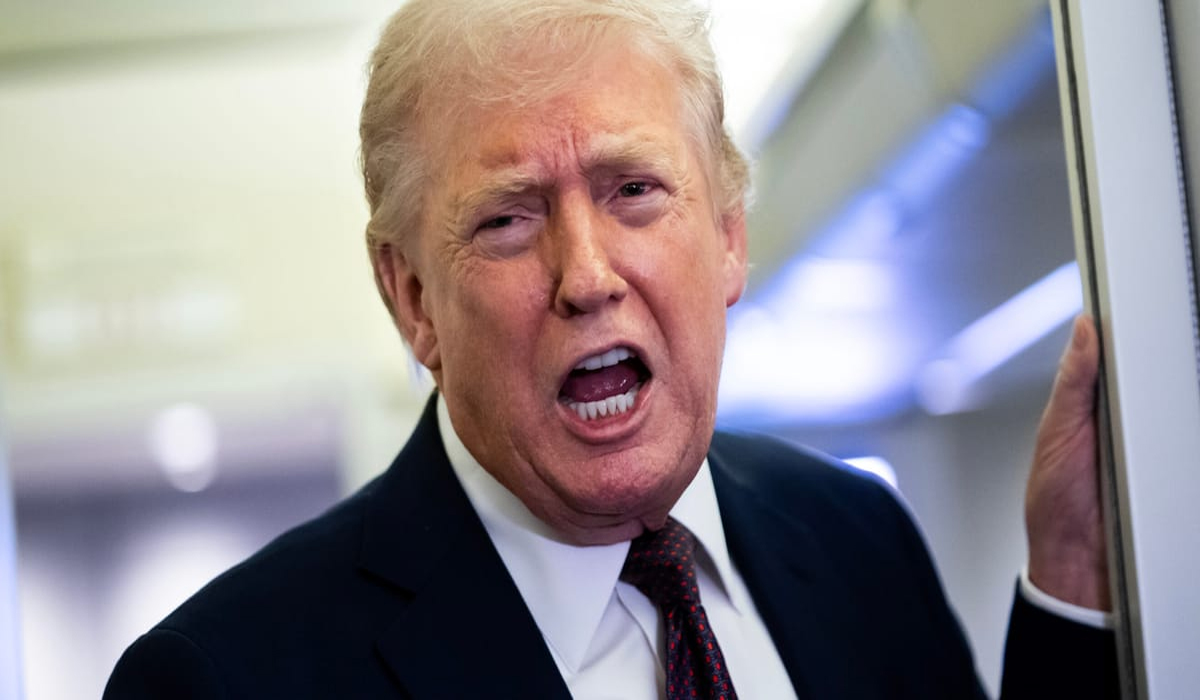
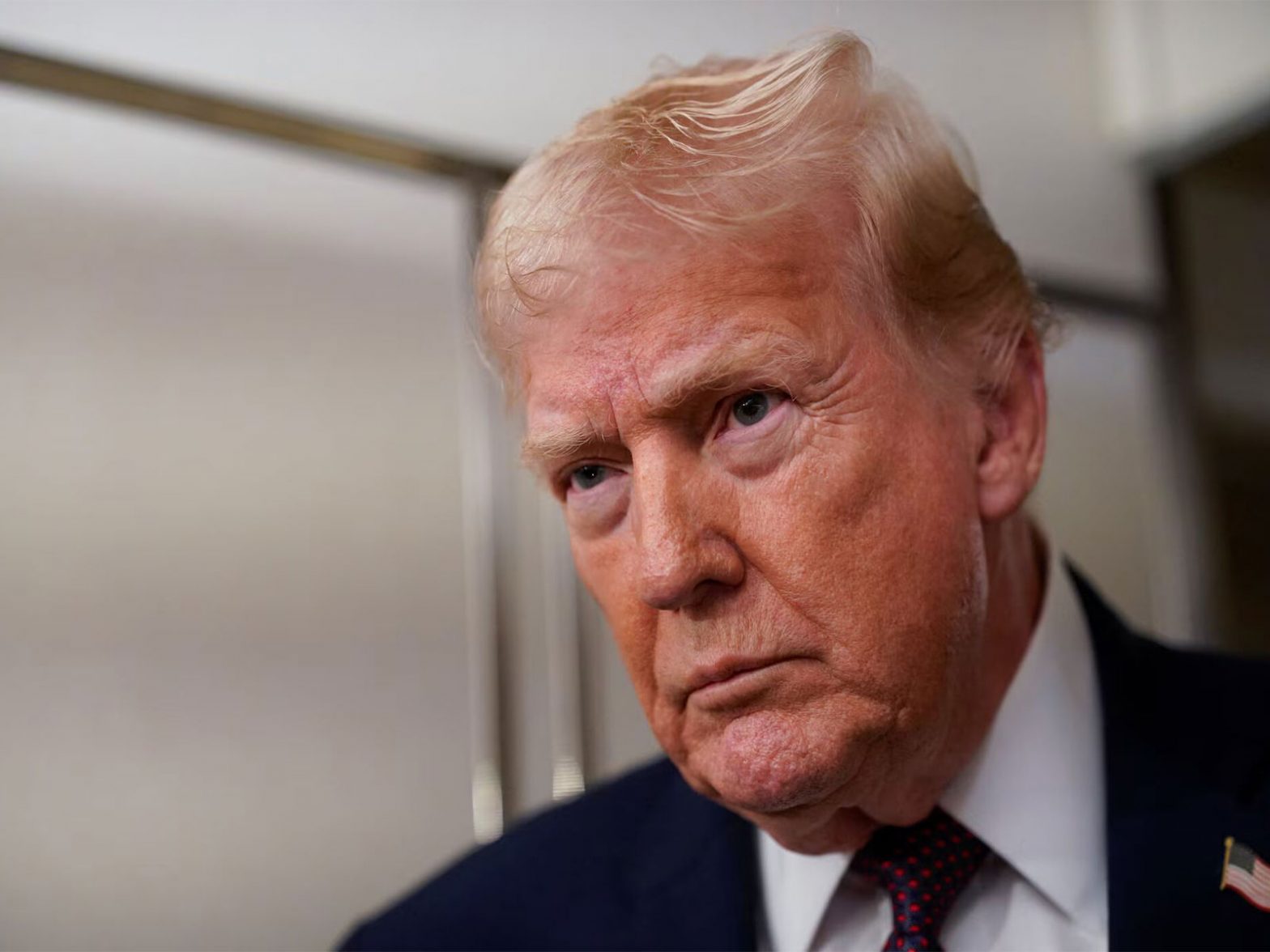
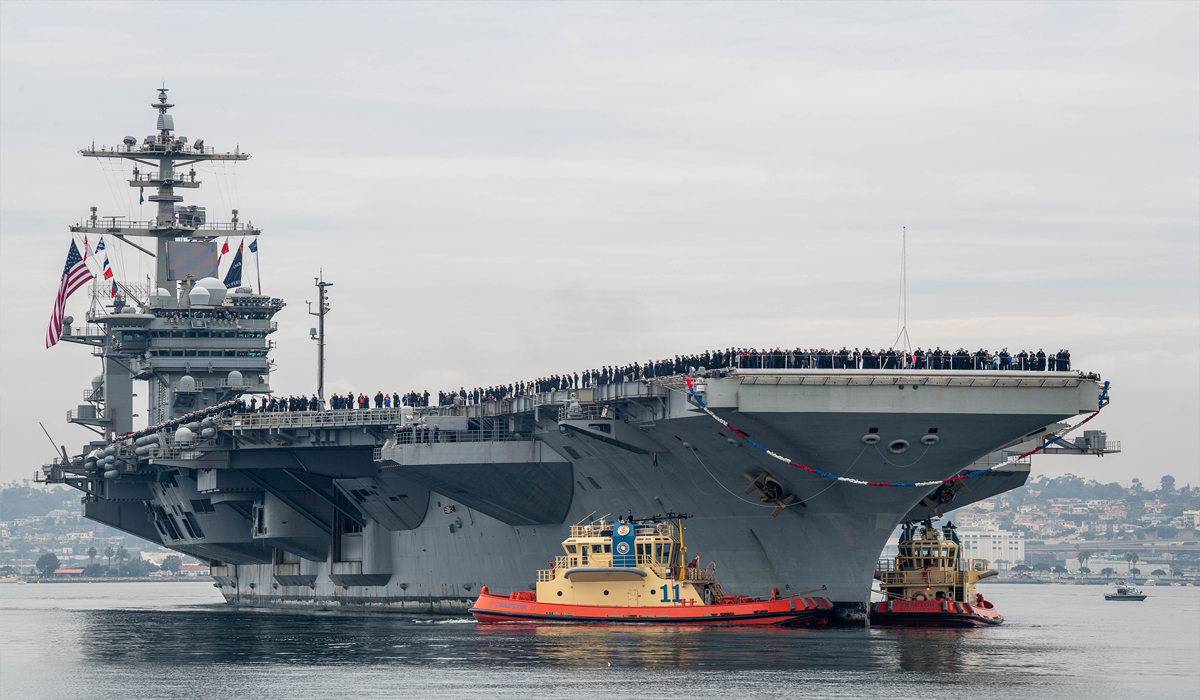
Tehran, April 4: Iran has rejected a proposal from the United States for a 48-hour ceasefire, according to multiple media reports citing Iran’s semi-official Fars news agency. The proposal was reportedly conveyed through an intermediary country, though the identity of the mediator has not been disclosed. Backchannel Diplomacy Fails The ceasefire offer was part of.
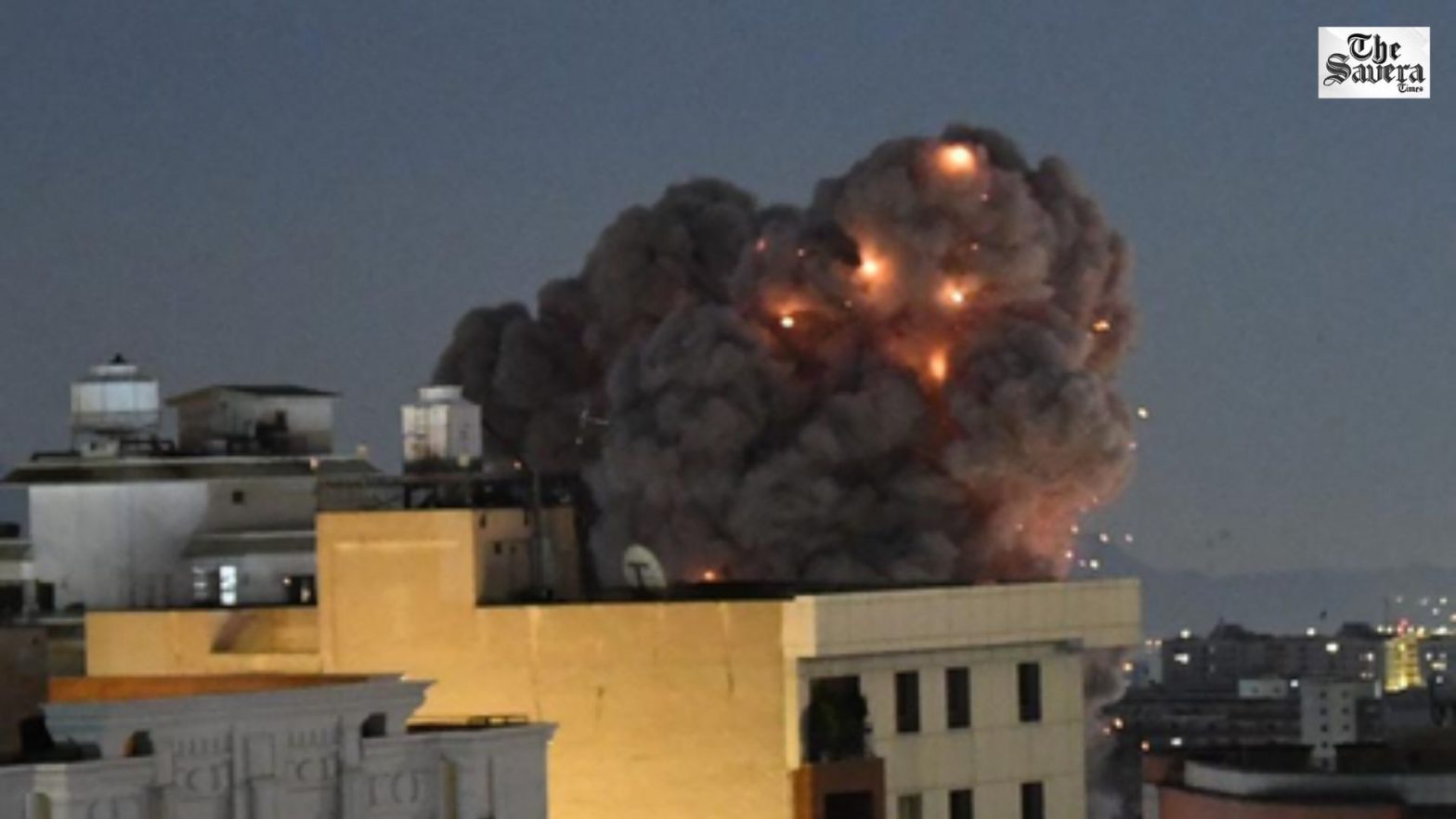
Trump also highlighted potential targets, including Iran’s electric-generating plants and oil infrastructure — noting that the latter remains untouched but could be completely destroyed if no deal is reached.
Tensions in the Middle East have reached a critical level. Iran’s Islamic Revolutionary Guard Corps (IRGC) has threatened major American technology companies, including Meta (parent of Instagram, Facebook, and WhatsApp), Google and Apple, with potential attacks and urged staff to evacuate offices in the region. The force stated these Silicon Valley firms are now “legitimate.
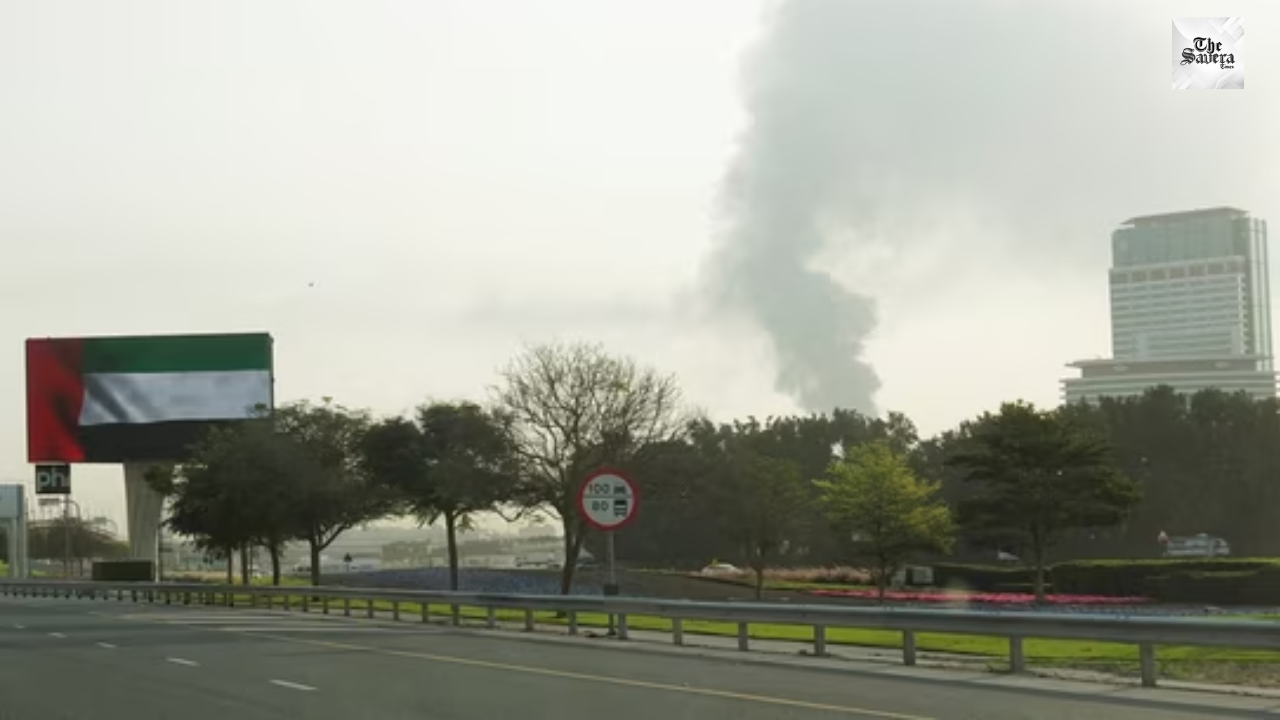
Trump's remarks came against a backdrop of heightened global concern over the strategic Strait of Hormuz, a critical chokepoint for nearly one-fifth of world oil flows.
These remarks come in the wake of a significant de-escalation by US President Donald Trump, who recently stepped back from a 48-hour ultimatum to launch strikes against Iranian power plants.
Indian equity benchmarks have staged a strong comeback, with the Sensex surging more than 2,350 points over three consecutive sessions. The rally comes despite heightened global tensions linked to the ongoing US-Iran conflict and elevated crude oil prices, factors that typically weigh on investor sentiment. The upward momentum reflects a combination of domestic resilience and.
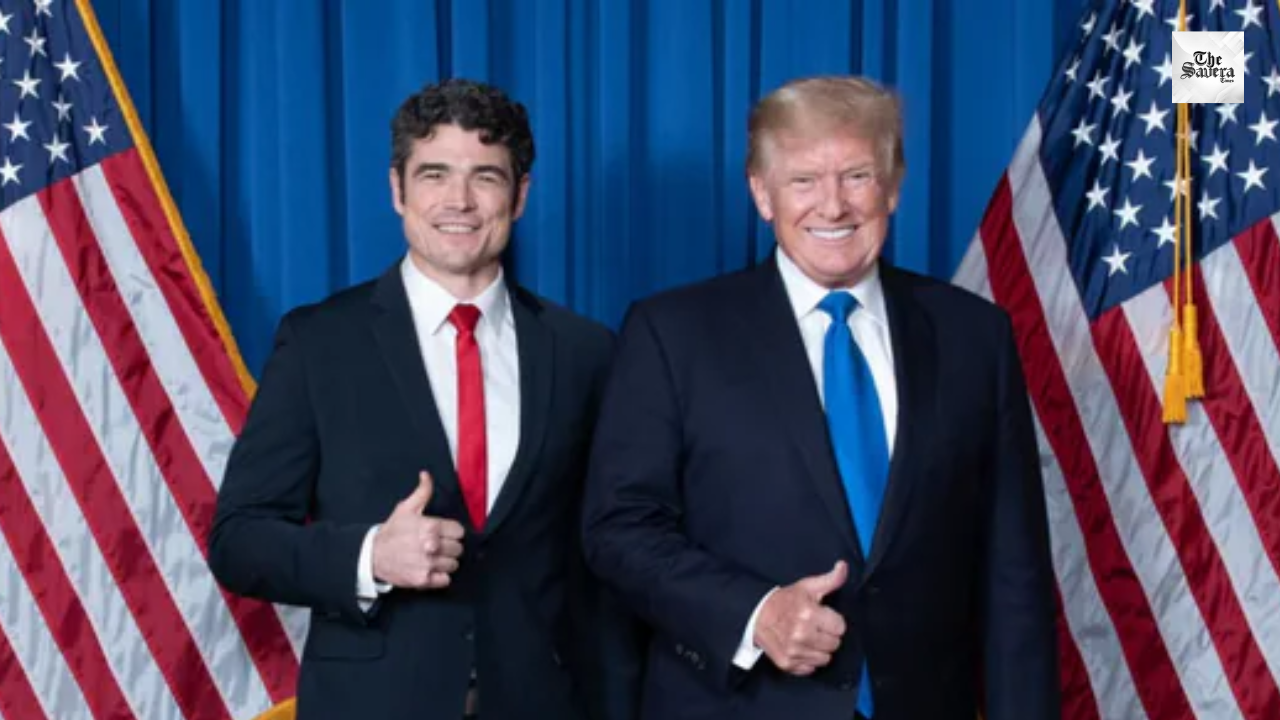
In a major development amid the ongoing US-Iran conflict, Joe Kent, head of the US National Counterterrorism Center (NCTC), has resigned from his post. His decision marks the highest-level protest within the administration of Donald Trump over the controversial war with Iran. The resignation has exposed deep divisions within the US government regarding the justification.
The conflict between the United States, Israel and Iran has intensified as Tehran sought “clarity in stance” from Gulf countries amid a widening regional war. Iranian officials have questioned whether Gulf states are supporting Western military operations against Iran or maintaining neutrality. The demand for clarification comes as tensions rise across West Asia with several.