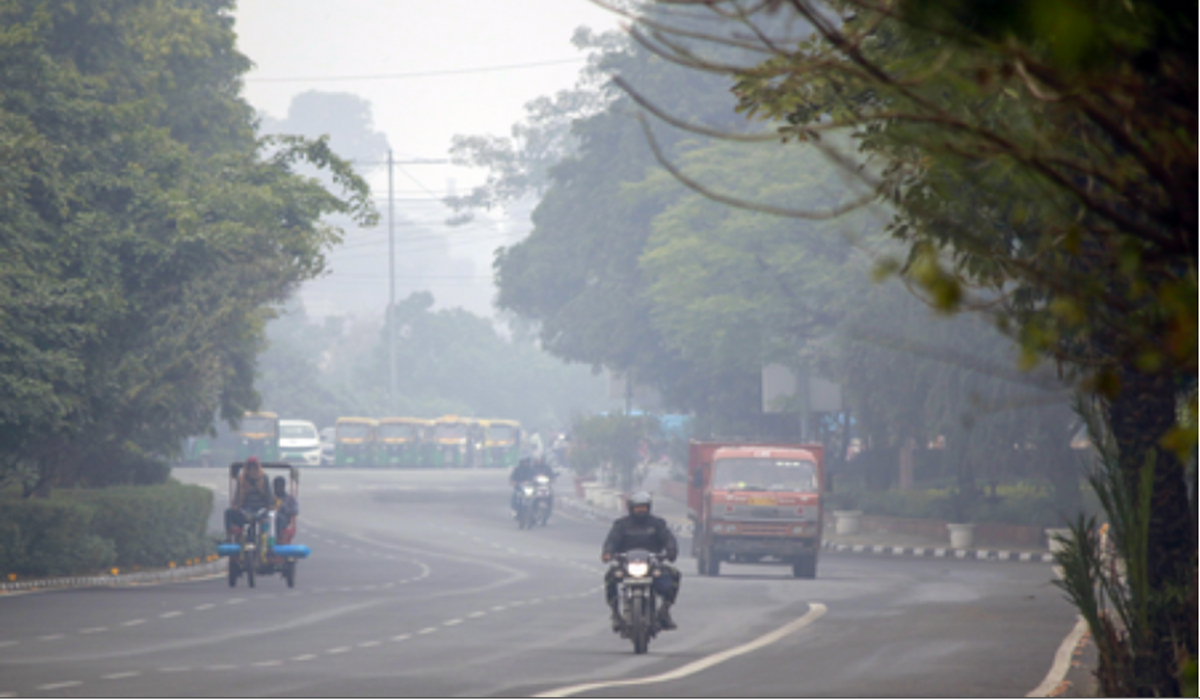
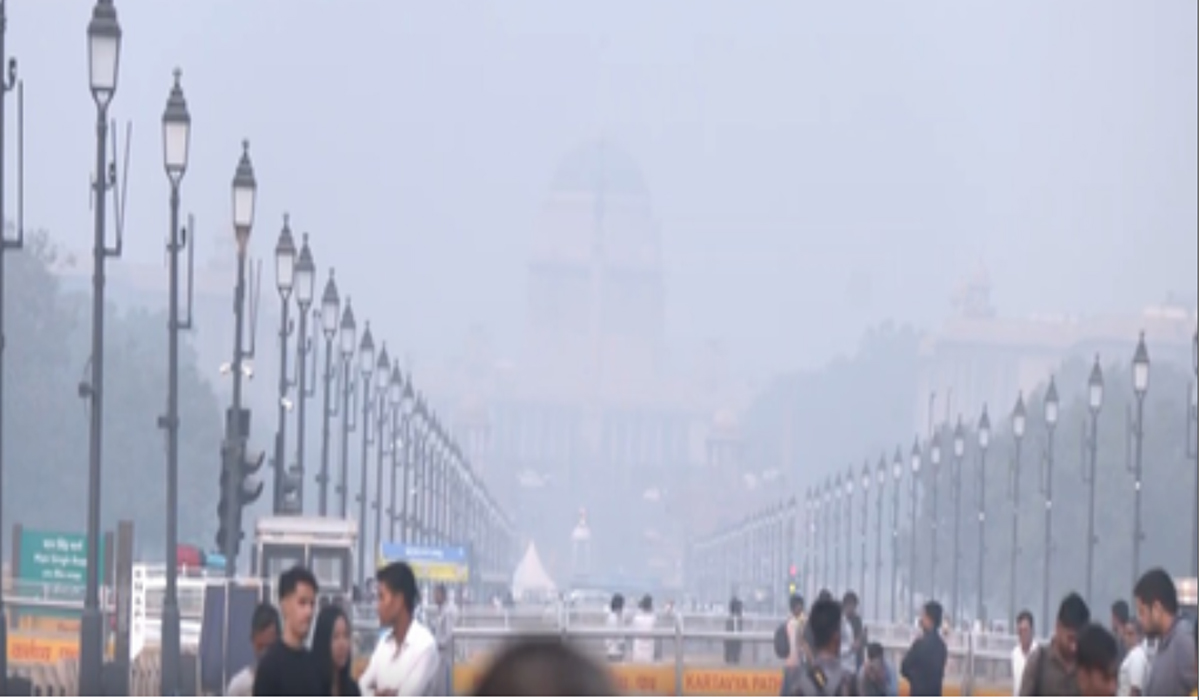
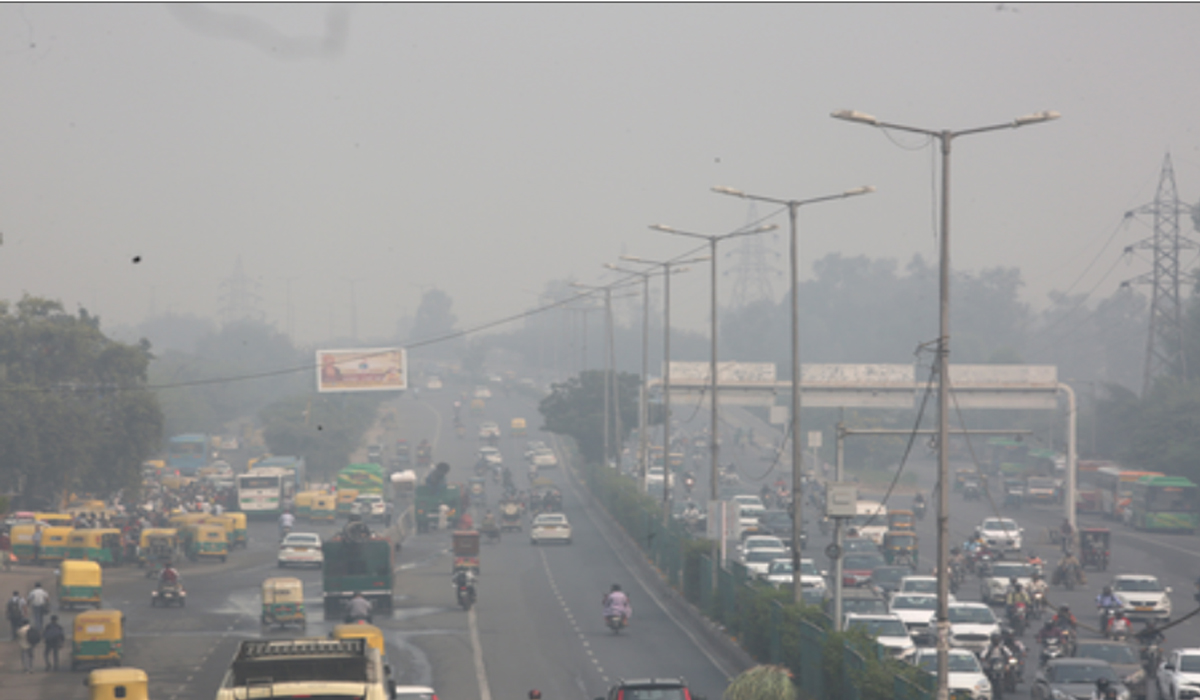
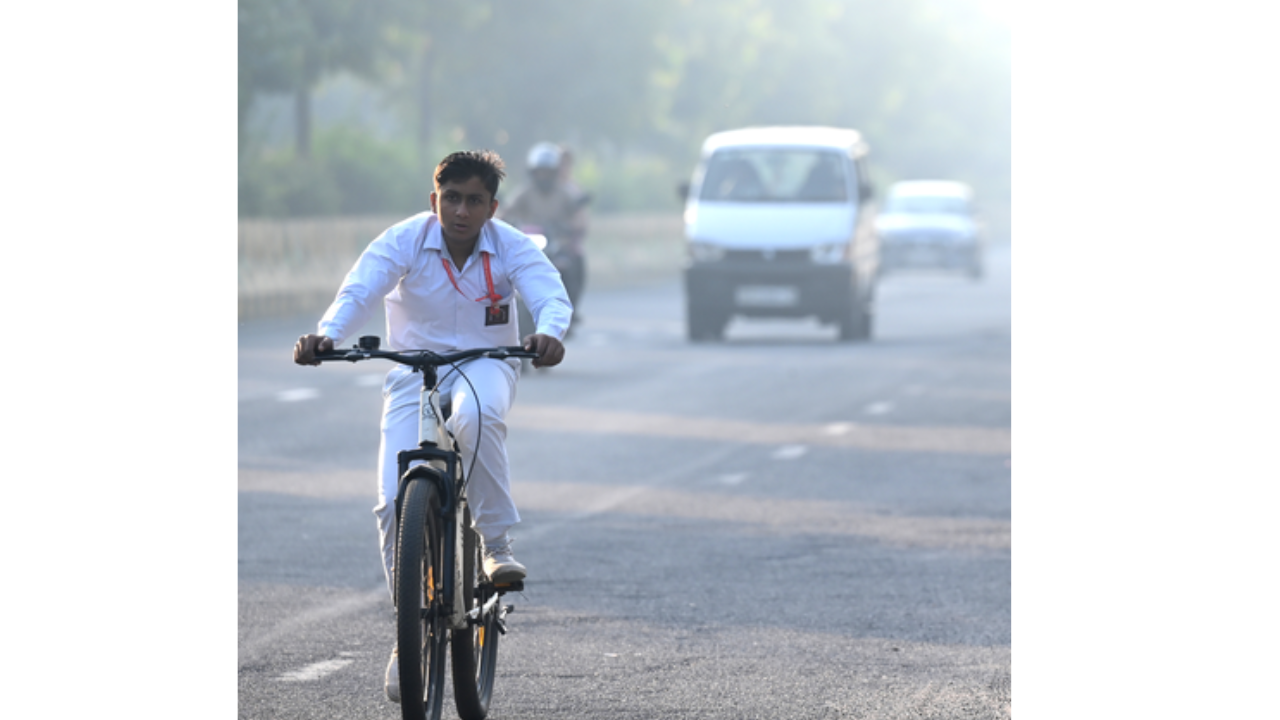
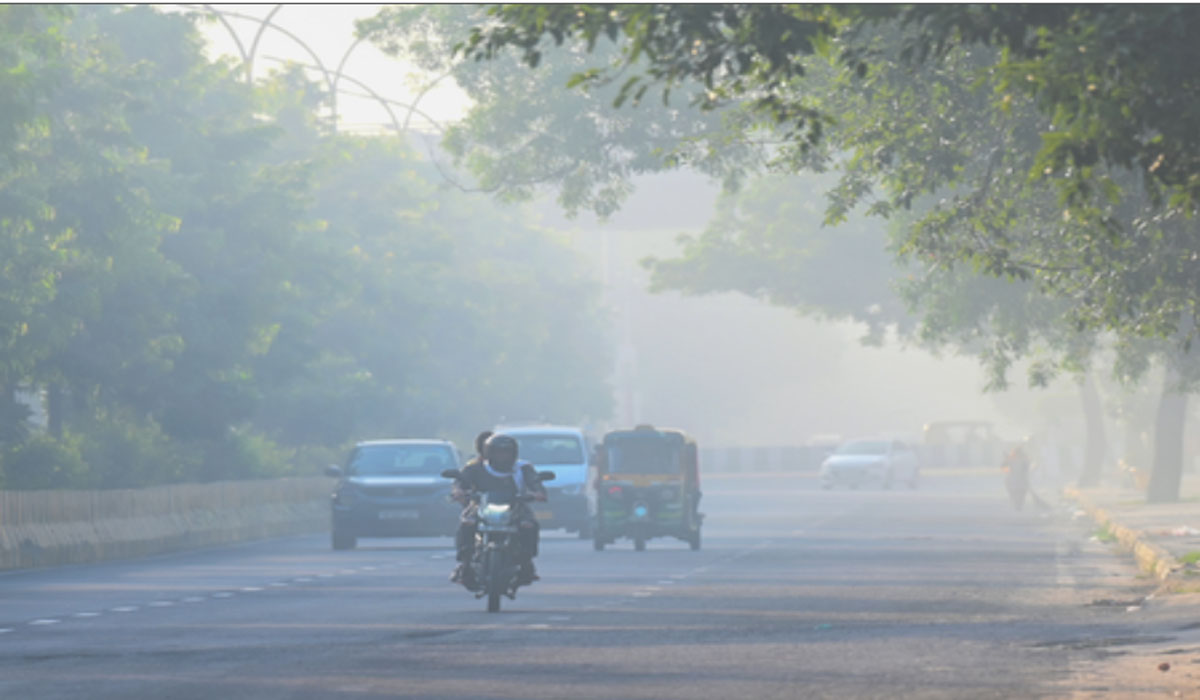
Delhi’s air has turned toxic again. The Air Quality Index crossed 400 this week. Schools asked children to stay indoors. Flights were delayed. Hospitals reported more breathing problems. This has become a routine every winter. At the same time, Beijing—once known for even worse smog—now has cleaner skies. Most days, its AQI stays below 100..
This Diwali, the festival of lights turned into a festival of danger. Across India, what was meant to bring joy ended up causing pain, panic, and pollution. From toxic air to illegal firecrackers — and now, a shocking new trend — carbide guns, the celebrations exposed a worrying side of our festival spirit. Carbide Guns:.
New Delhi: Delhi’s Air Quality Index (AQI) remained in the ‘very poor’ category for the fourth consecutive day, according to data from the Central Pollution Control Board (CPCB). On Wednesday morning at 8 a.m., the national capital recorded an AQI of 328, days after Diwali festivities filled the skies with smog. AQI Touches Seasonal High.
BJP on Tuesday lashed out at the AAP government in Punjab for its alleged failure to check farm fires that are adding to the national capital’s air quality woes.
Jaipur: A day after Diwali celebrations, air quality across Rajasthan deteriorated sharply on Tuesday, with Bhiwadi (Khairthal-Tijara) ranking among the top 10 most polluted cities in India. AQI Crosses Red Zone .
A sudden dust storm accompanied by strong winds swept through Delhi-NCR late Wednesday night, severely disrupting traffic, reducing visibility, and significantly deteriorating air quality. In Delhi, Gurugram, Noida, and other NCR cities, the Air Quality Index (AQI) breached the 200 mark, entering the ‘poor’ category and raising health concerns among residents. The India Meteorological Department.
Fazilka (Punjab): This week, Fazilka district has experienced a significant increase in farm fires and stubble burning incidents, as indicated by satellite data. Consequently, the Air Quality Index (AQI) in the area has risen to 207, raising alarms about public health, particularly for those with respiratory issues. In response to the worsening conditions, Jakhar Trust.
New Delhi: Delhi-NCR is currently facing severe smog as the Air Quality Index (AQI) hits alarming levels. As of 7:30 a.m. on November 14, the average AQI in the city reached 430, marking the second consecutive day of hazardous pollution. According to the Central Pollution Control Board (CPCB), numerous locations within Delhi have recorded AQI.
New Delhi: Delhiites woke up to hazy morning with the air quality in Delhi-NCR further plunging into ‘severe’ category on Friday. In the national capital, the AQI at Anand Vihar reached the ‘severe’ category with PM 2.5 and PM 10 at 500, while NO2 was recorded at 76, under ‘satisfactory’ level and CO at 113.