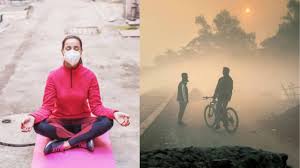
A new study led by researchers at University College London (UCL) shows that chronic exposure to toxic air can significantly diminish the health benefits of regular physical activity. The study analysed data from more than 1.5 million adults tracked for more than a decade in countries including the UK, Taiwan, China, Denmark and the United.
A long-running Swedish study has followed adults for nearly five decades, uncovering when physical decline truly begins. Fitness and strength start slipping around age 35, then worsen gradually with age. The encouraging twist: adults who began exercising later still improved their physical capacity by up to 10 per cent. It’s a powerful reminder that staying.
For decades, global agriculture has expanded on the assumption that water systems could sustain growing withdrawals and continue to supply reliable volumes of water over time, supported by infrastructure development, efficiency gains and short-term crisis management. The latest United Nations report makes clear that this assumption is no longer valid. In many regions, agriculture is.
The Union Budget 2026–27 signalled renewed support for the Indian Textile sector, promoting market expansion, modernisation, upgrading skills and sustainability. The slew of initiatives announced include a National Fibre Scheme to promote self-reliance in natural and new industrial fibres, and a textile expansion and employment scheme focused on modernising traditional clusters through capital support, technology.
India is facing a drinking water crisis. This time, not in some neglected corner, but in cities that proudly wear their cleanliness crowns. Places that have topped national rankings year after year are now explaining why the people in their areas are falling ill after drinking water. When public drinking water becomes unsafe or unreliable,.
Your mouth bacteria can significantly affect your gut health, and predict the risk of chronic liver disease, finds a study. According to a study, each year, more than two million people die from advanced chronic liver disease (ACLD). Published in the journal Nature Microbiology, the researchers analysed bacterial populations in saliva and stool samples from.
India’s ethanol blending programme, though important for the country’s energy security, is raising risks for food security by reshaping cropping patterns, with farmers increasingly shifting land towards maize and away from pulses and oilseeds. This was what the recent Economic Survey 2025-26 has pointed out. Maize has rapidly emerged as a primary, yet controversial, feedstock.
An ancient desert city, mysterious ruins, the constant cosmic conflict between good and evil, a powerful but lost talisman that could affect its outcome, a young heroine yet to come to terms with her hidden abilities but thrust into the maelstrom, and the like – all these portend to be sparkling ingredients for an engrossing.
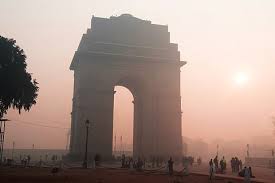
India could unlock as much as $220 billion in economic gains by 2030 by tackling air pollution across its most polluting sectors, according to a new report that frames clean air not just as a health or environmental issue, but as a major economic opportunity. This is what a recent analysis at The Business Case.
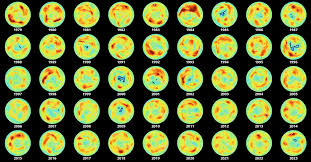
This year’s ozone hole over Antarctica ranked among the smallest since the early 1990s, reflecting steady progress from decades of global action under the Montreal Protocol. Declining chlorine levels and warmer stratospheric temperatures helped limit ozone destruction. Scientists say the layer remains on track to recover later this century. Scientists from NOAA and NASA report.
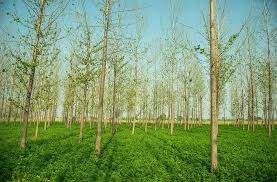
India currently has nearly 28 million hectares of land under agroforestry, and the government has set an ambitious target to expand this to 50 million hectares by 2050. However, despite its growing importance, the sector continues to face major structural constraints, particularly in accessing finance, experts gathered for the first South Asian Agroforestry & Trees.