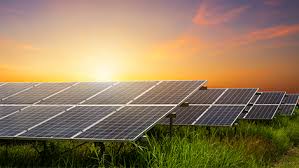
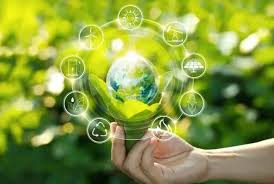
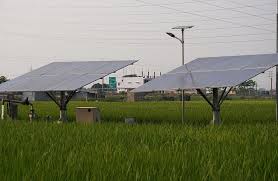
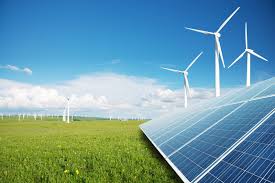
India has emerged as a global leader in renewable energy, particularly solar power, in the last decade. The government’s ambitious targets, coupled with innovations by private players, have led to remarkable growth in solar energy generation across the country. India’s National Solar Mission, launched in 2010, initially aimed to achieve 20 GW of solar power.
India, with its vast agricultural landscape, is embracing technology to modernize farming and improve livelihoods. Agri-tech innovations are transforming the sector, from precision farming and soil health monitoring to digital marketplaces connecting farmers directly with consumers. Digital platforms like DeHaat, Ninjacart, and AgroStar are empowering farmers by providing access to seeds, fertilizers, advisory services, and.
Access to clean water is a fundamental human need, and India has made remarkable strides in water conservation, purification, and sustainable management. National and state-level initiatives, community programs, and technology-driven solutions are transforming water availability and quality across urban and rural India. The Jal Jeevan Mission, launched in 2019, aims to provide functional tap water.
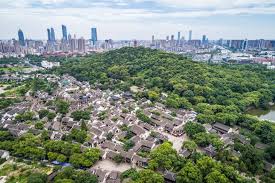
Urbanization in India has accelerated rapidly, bringing economic growth and modern infrastructure, but also environmental and social challenges. Recognizing the need for sustainable development, Indian cities are increasingly investing in green spaces, parks, and urban forests, improving the quality of life for millions. Cities such as Bengaluru, Pune, and Chandigarh are at the forefront of.
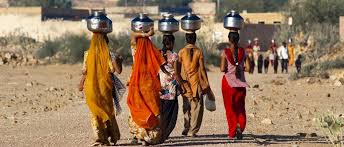
Water scarcity is an urgent concern in India, particularly in semi-arid regions of Rajasthan, Gujarat, and parts of Maharashtra. These areas experience low rainfall, high evaporation rates, and overexploitation of groundwater, leading to recurring droughts and water stress. Agriculture, the main livelihood in these regions, suffers the most, affecting both economic stability and food security..
Microfinance programs have become an important tool for women’s empowerment in rural and semi-urban India. By providing small loans and financial services to low-income women, these programs enable entrepreneurship, improve household income, and foster social independence. Microfinance is not merely a financial intervention; it is a mechanism for social change. Women often face barriers accessing.
Educational technology (EdTech) has transformed learning in rural India, bridging gaps caused by teacher shortages, infrastructure limitations, and socio-economic disparities. Platforms offering online courses, virtual classrooms, and interactive learning tools enable students in remote villages to access quality education comparable to urban counterparts. EdTech adoption has surged due to smartphone penetration, affordable internet plans, and.
Coastal erosion is an increasingly visible consequence of climate change in India, threatening livelihoods, infrastructure, and ecosystems along the country’s 7,500-kilometer coastline. Rising sea levels, stronger storm surges, and changing rainfall patterns exacerbate the natural process of shoreline retreat, impacting coastal towns and villages in states like West Bengal, Odisha, Maharashtra, and Tamil Nadu. Coastal.
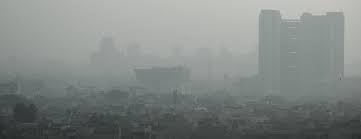
Air pollution has emerged as one of the most pressing public health challenges in Indian cities. Rapid urbanization, increasing vehicle use, industrial emissions, and construction dust contribute to dangerously high levels of particulate matter and toxic gases. According to government data, cities such as Delhi, Varanasi, and Kanpur regularly exceed the World Health Organization’s recommended.
India’s renewable energy sector is undergoing rapid transformation, with rural areas playing a crucial role in adopting solar, wind, and biomass solutions. Villages across states such as Tamil Nadu, Rajasthan, and Madhya Pradesh are witnessing the deployment of decentralized renewable energy systems, bringing electricity access, reducing dependence on fossil fuels, and enhancing local livelihoods. Solar.
Renewable energy is central to addressing climate change, energy security, and sustainable development. Solar, wind, hydro, and bioenergy sources provide cleaner alternatives to fossil fuels, reducing greenhouse gas emissions while meeting growing global energy demands. Solar energy is expanding rapidly due to falling costs, improved efficiency, and government incentives. Photovoltaic panels convert sunlight directly into.