For decades, convenience has shaped how people treat everyday objects. When something broke, replacing it was often easier than fixing it. Recently, however, a quiet shift has begun. Repair culture—once seen as outdated or impractical—is slowly returning to homes, workshops, and communities. Repair culture is built on the idea that objects have value beyond their.
Cities have always drawn people with the promise of opportunity. From ancient trade hubs to modern megacities, urban centers have been magnets for ambition, innovation, and cultural exchange. Despite rising living costs, congestion, and environmental pressures, cities continue to grow. Understanding why people are still drawn to urban life reveals much about human aspirations and.
Curiosity is one of the most fundamental human traits. It drives exploration, discovery, and creativity. From childhood questions to adult pursuits, curiosity shapes how individuals learn and grow. In a rapidly changing world, curiosity has become essential for lifelong learning and adaptability. At its core, curiosity is the desire to understand. It motivates people to.
Food is more than nourishment; it is a powerful expression of cultural identity. Recipes, cooking methods, and shared meals carry histories and values across generations. In a globalized world, food traditions play a crucial role in preserving cultural heritage and fostering social connection. Every culture has distinctive food practices shaped by geography, climate, and history..
Water has been the silent architect of human civilization. From the earliest settlements to modern megacities, access to water has determined where societies flourish and where they fail. Rivers, lakes, and aquifers have shaped trade routes, agricultural systems, cultural practices, and political power. Understanding water’s role in history offers valuable lessons for the present and.
Umashankar Pandey Padma Shri awardee and a renowned Jal Yoddha/Water Warrior Indian agriculture stands at a historic crossroads. For decades, our narrative was one of triumph—transforming from a food-deficient nation to one of the world’s largest agricultural producers and exporters. This “Green Revolution” was fueled by hard work, improved seed varieties, expanded irrigation, and a.
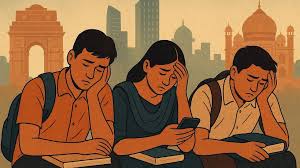
Mental health issues among university students in India have become increasingly prominent in recent years. Academic pressure, social expectations, career uncertainty, and personal challenges create a high-stress environment that affects students’ psychological well-being. Surveys indicate that nearly 40% of college students in India experience symptoms of anxiety, depression, or stress, yet access to mental health.
India’s space program has evolved from modest beginnings to global recognition, marked by ambitious missions and scientific breakthroughs. The Indian Space Research Organisation (ISRO), established in 1969, has successfully undertaken projects ranging from satellite launches to interplanetary exploration. Landmark missions such as Chandrayaan-1, Mangalyaan (Mars Orbiter Mission), and Chandrayaan-2 have placed India on the international.
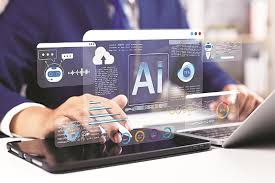
Sushil Pal Joint Secretary, Ministry of Electronics & Information Technology Artificial intelligence has the potential to be one of the most transformative forces of our time driving economic growth, improving public services, and accelerating solutions to complex global challenges. From enabling early disease detection and precision agriculture to strengthening disaster preparedness, climate modelling, and welfare.
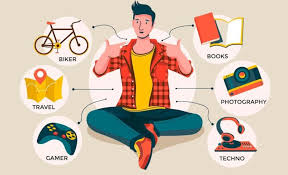
Weekends were once reserved mainly for rest after long and tiring workweeks. For many people, Saturdays and Sundays meant sleeping longer, catching up on household chores, or simply doing nothing. Today, weekends have taken on a new meaning. More and more people are using this time to explore hobbies and personal interests. From gardening and.
Technology is often discussed in complex terms, with conversations focusing on artificial intelligence, automation, or future innovations. However, its most noticeable and meaningful impact can be seen in everyday tasks. Simple digital tools have quietly transformed how people manage their daily lives, making routine activities faster, easier, and more efficient. One of the clearest examples.