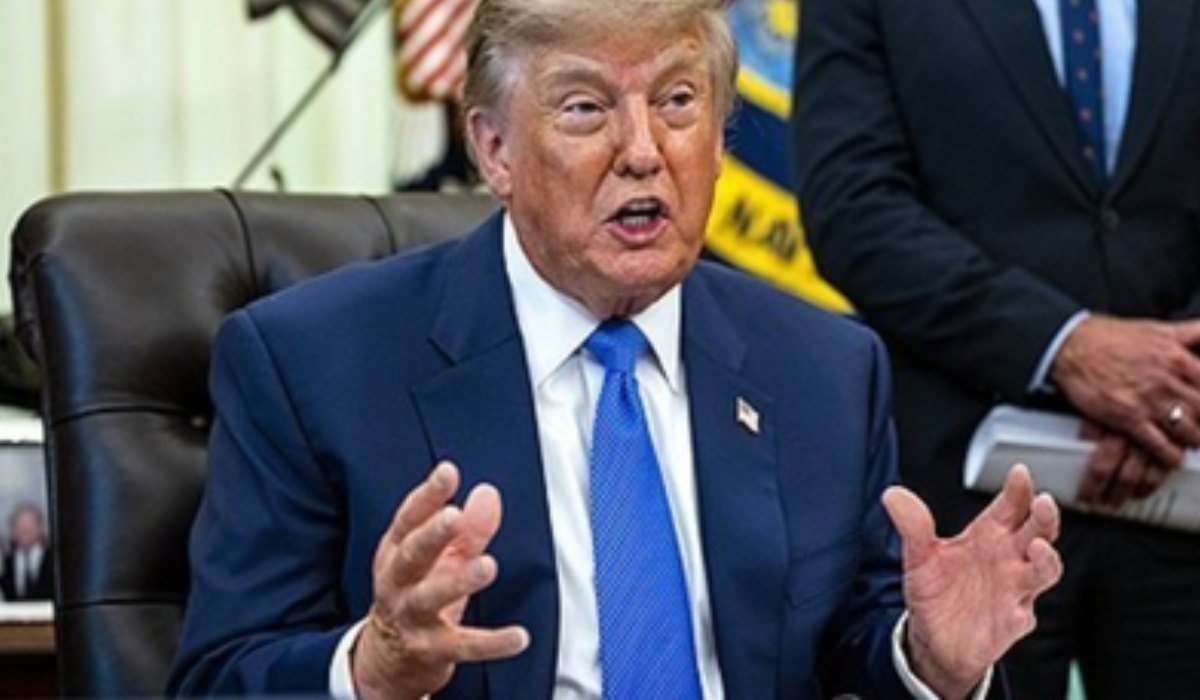
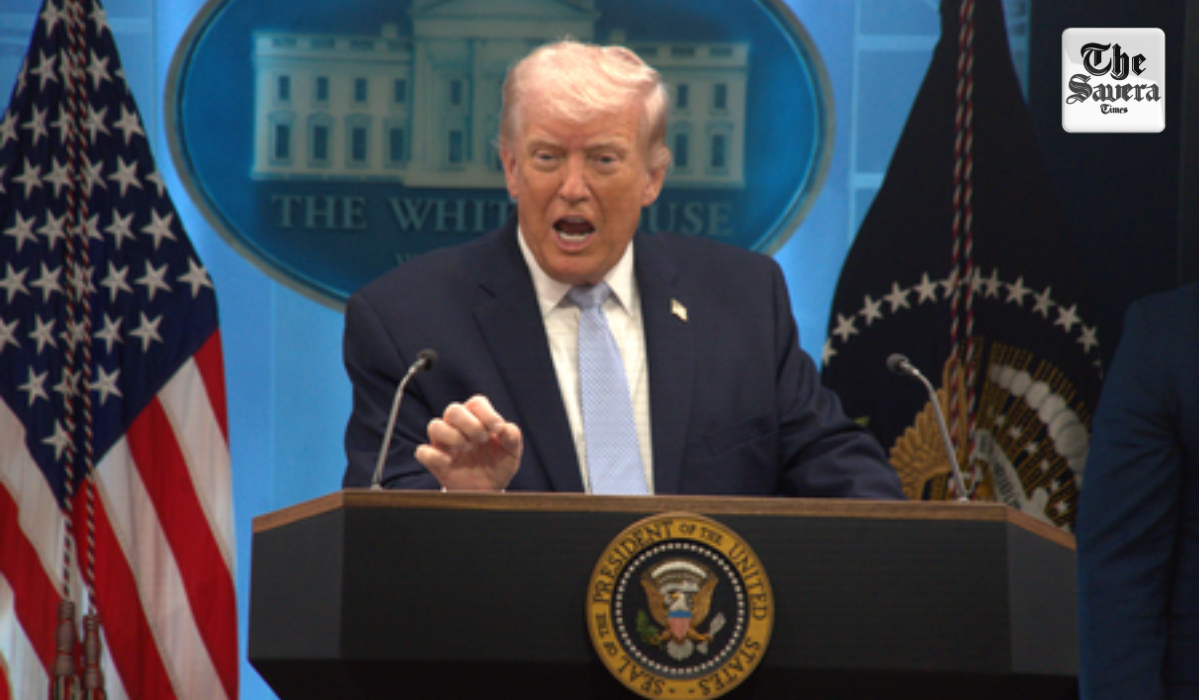
Washington, DC: United States President Donald Trump said he has no fixed timeline for Iran to return to the negotiating table to end the conflict with Washington, telling Al Jazeera that he is “not in a hurry” for talks to resume. “I have no time schedule, none. I’m not in a hurry. I have no.
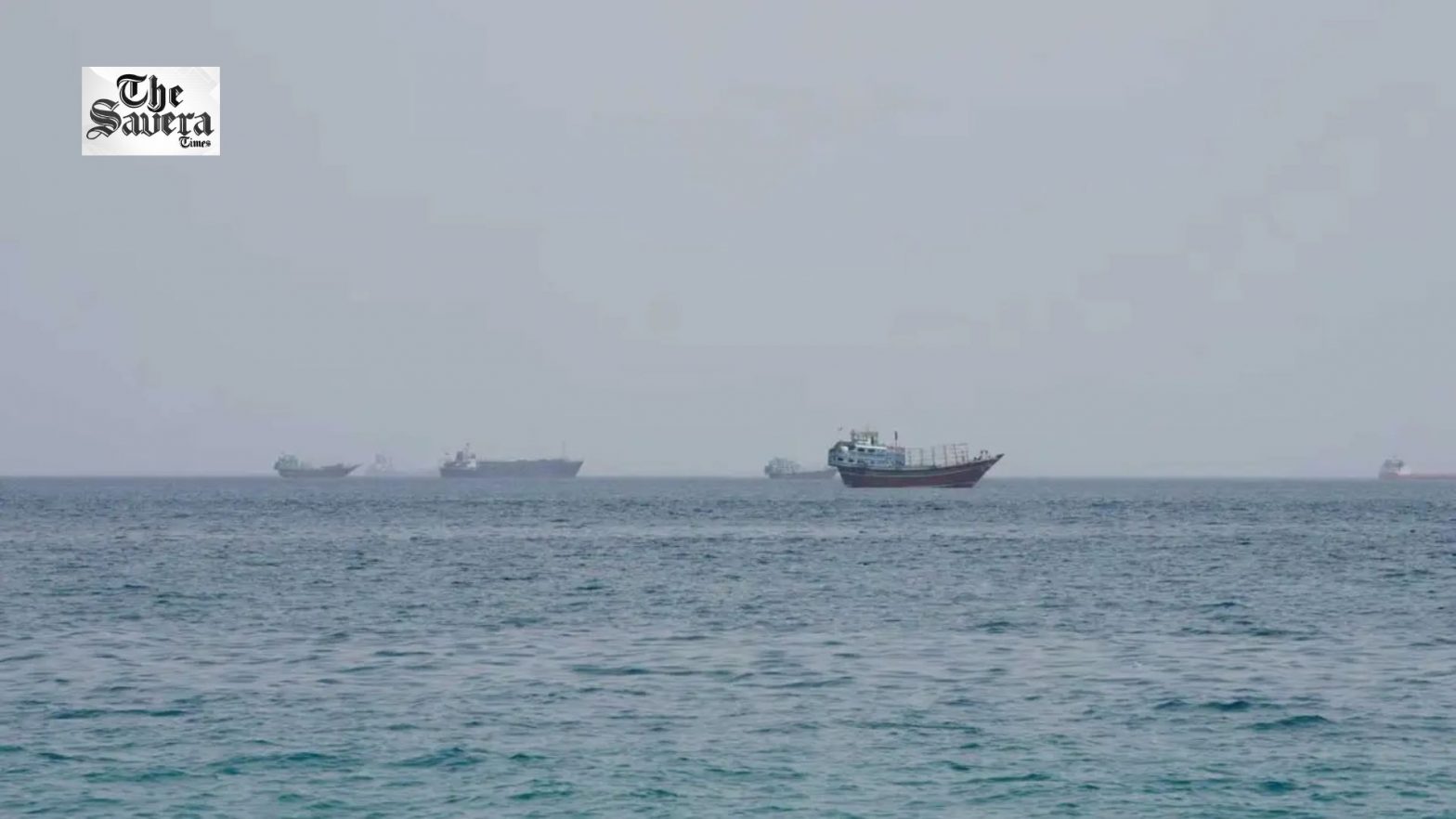
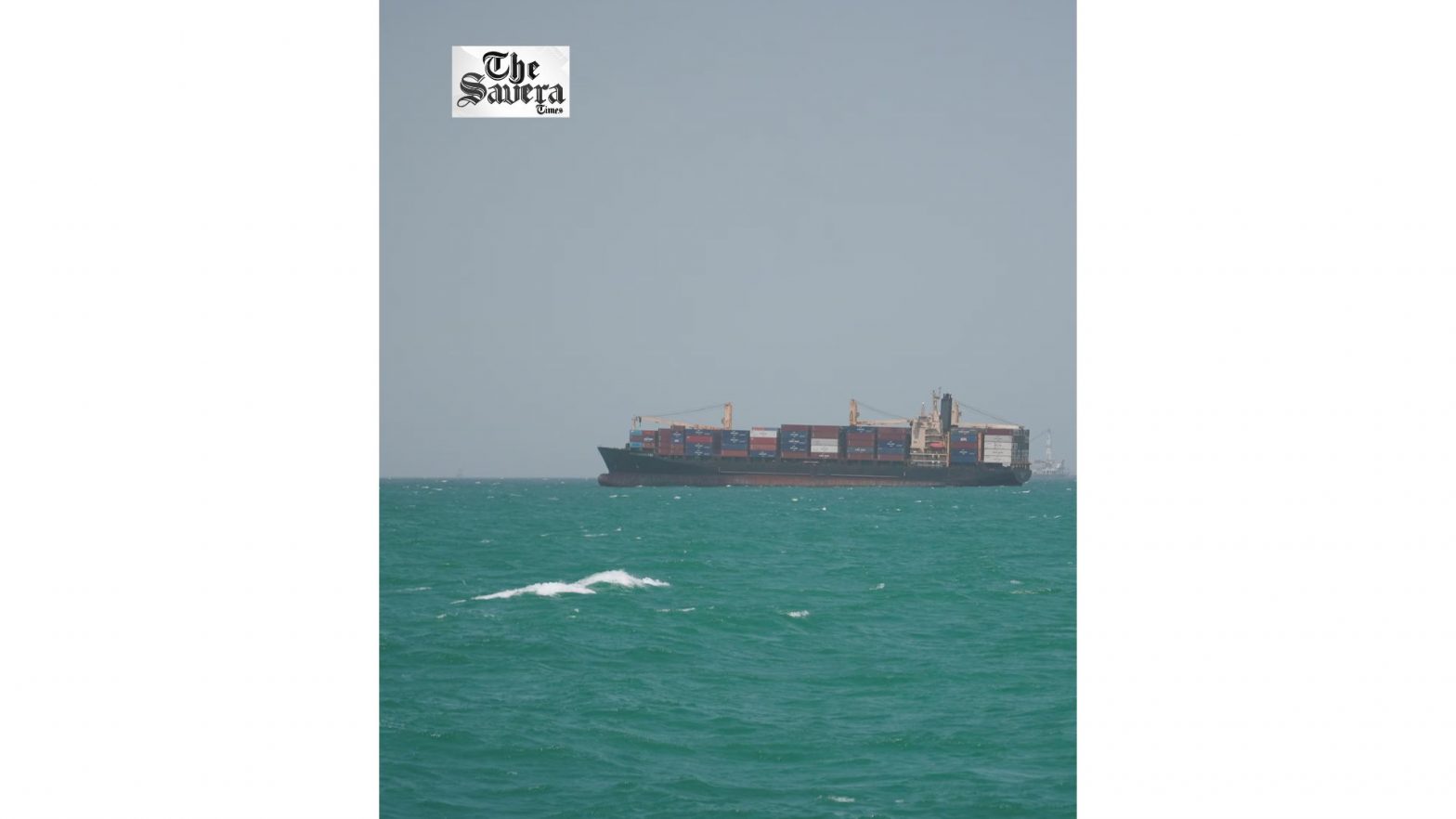
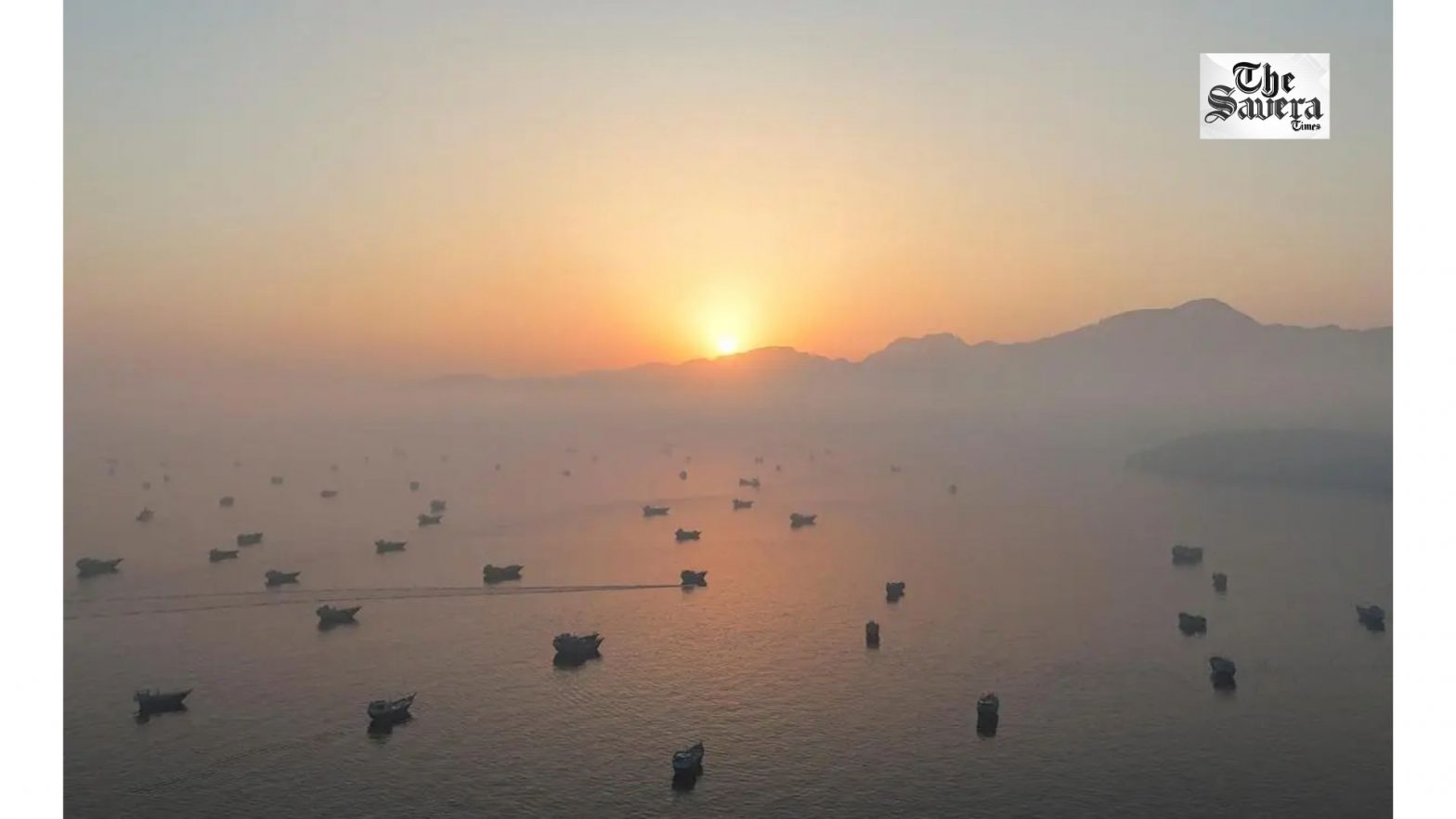
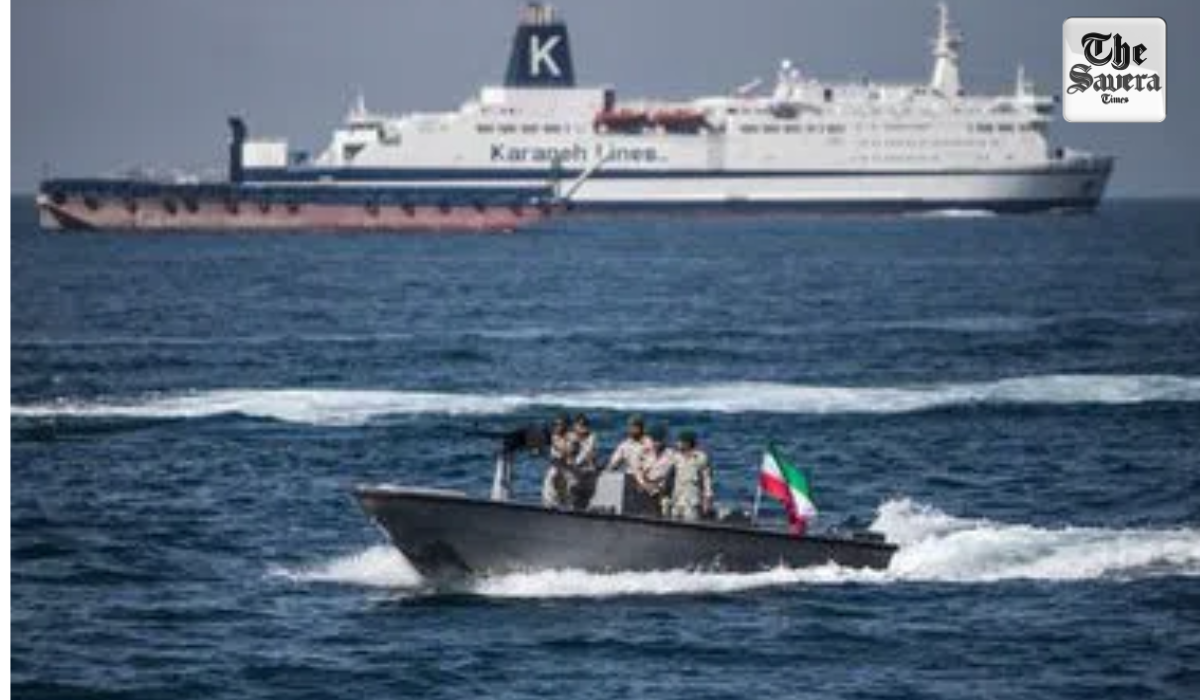
-Abhishek Vij Since the war broke out between the US, Israel, and Iran, the Strait of Hormuz has become a focal point. The supply of oil and gas from the Gulf to most countries around the world through the Strait of Hormuz has been disrupted. This has led to a surge in global crude oil.
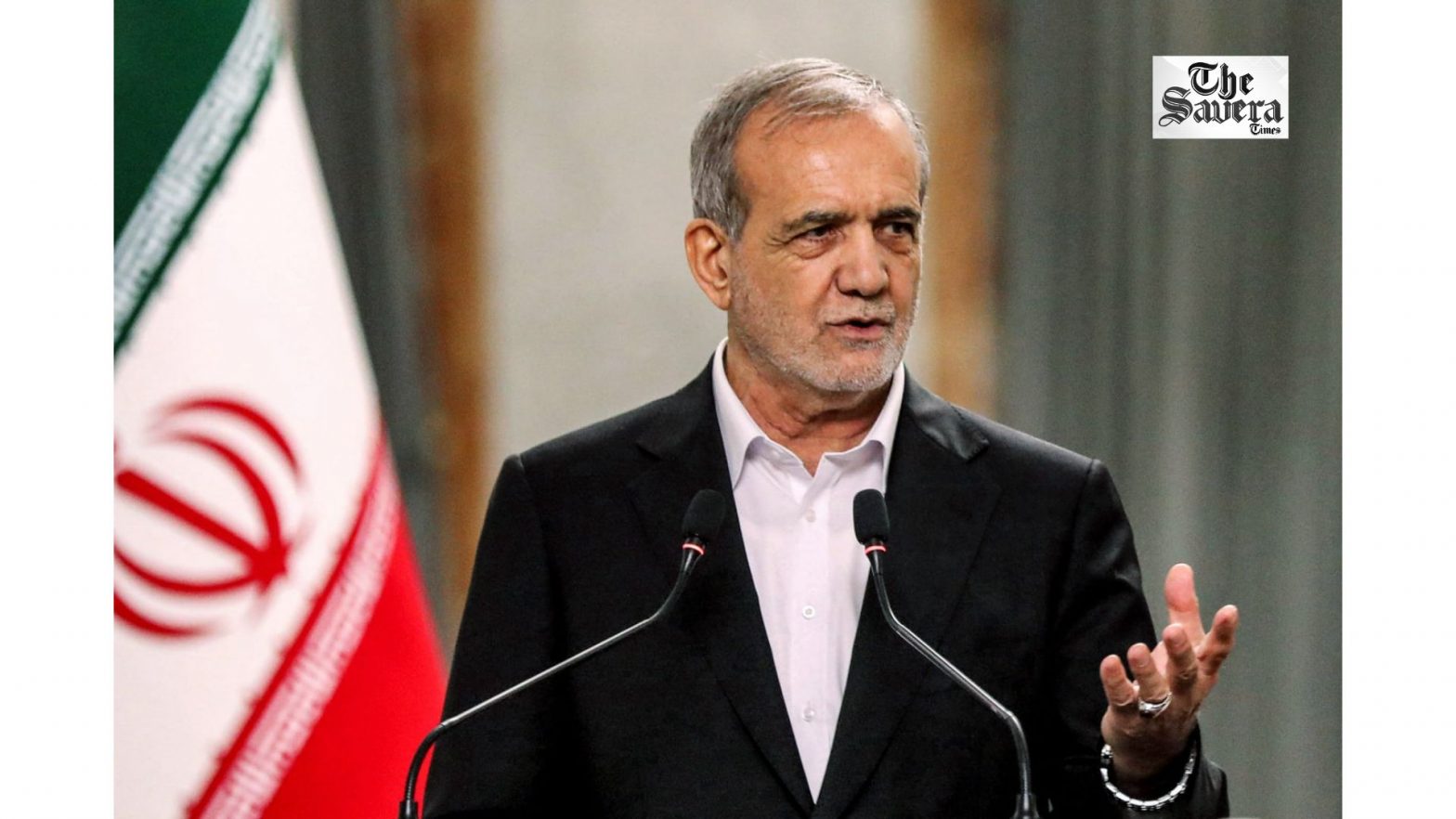
Iranian President Masoud Pezeshkian has accused the US of seeking to turn Iran into “another Venezuela” while praising the country’s resistance and unity amid rising tensions with Washington.
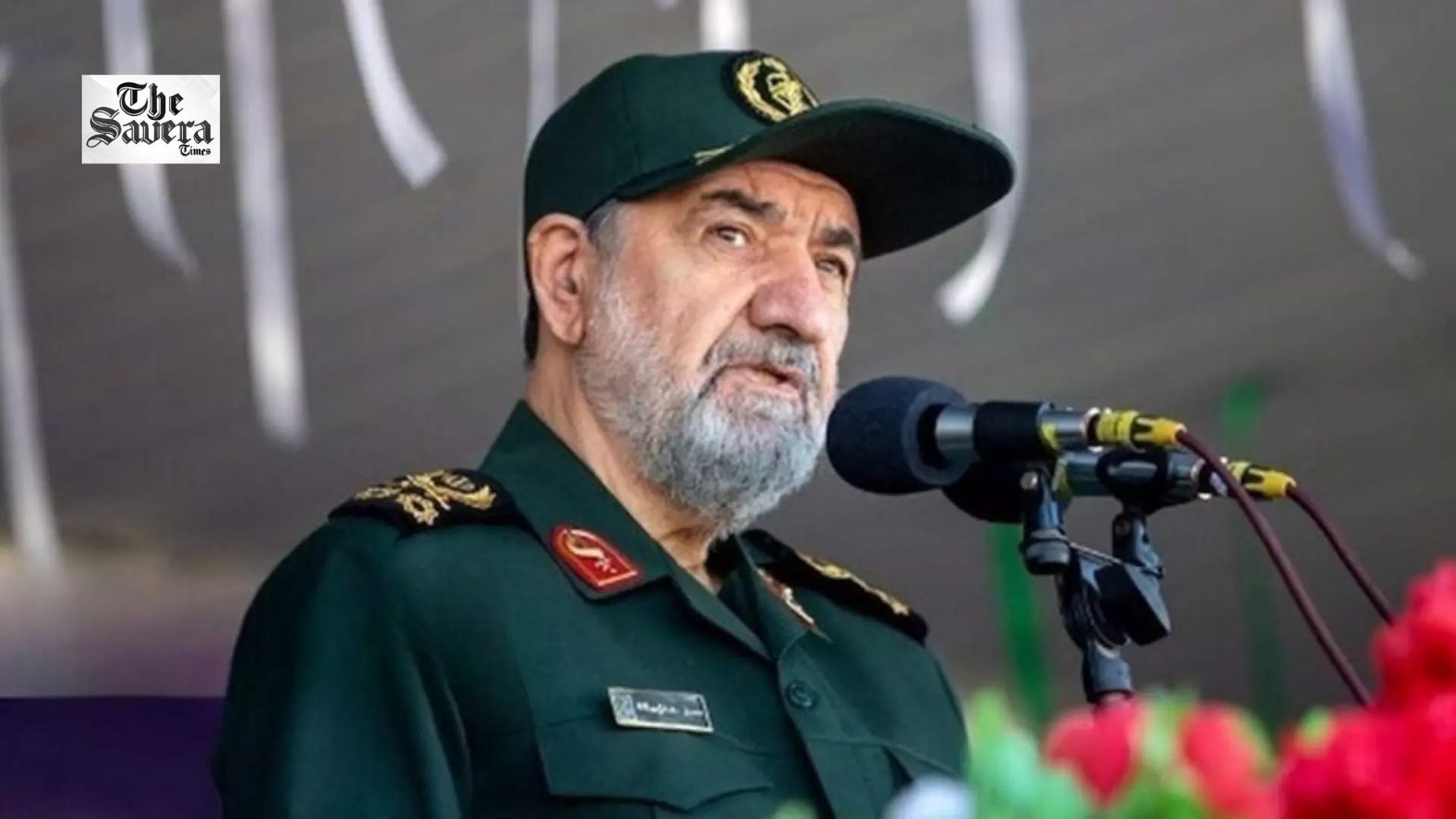
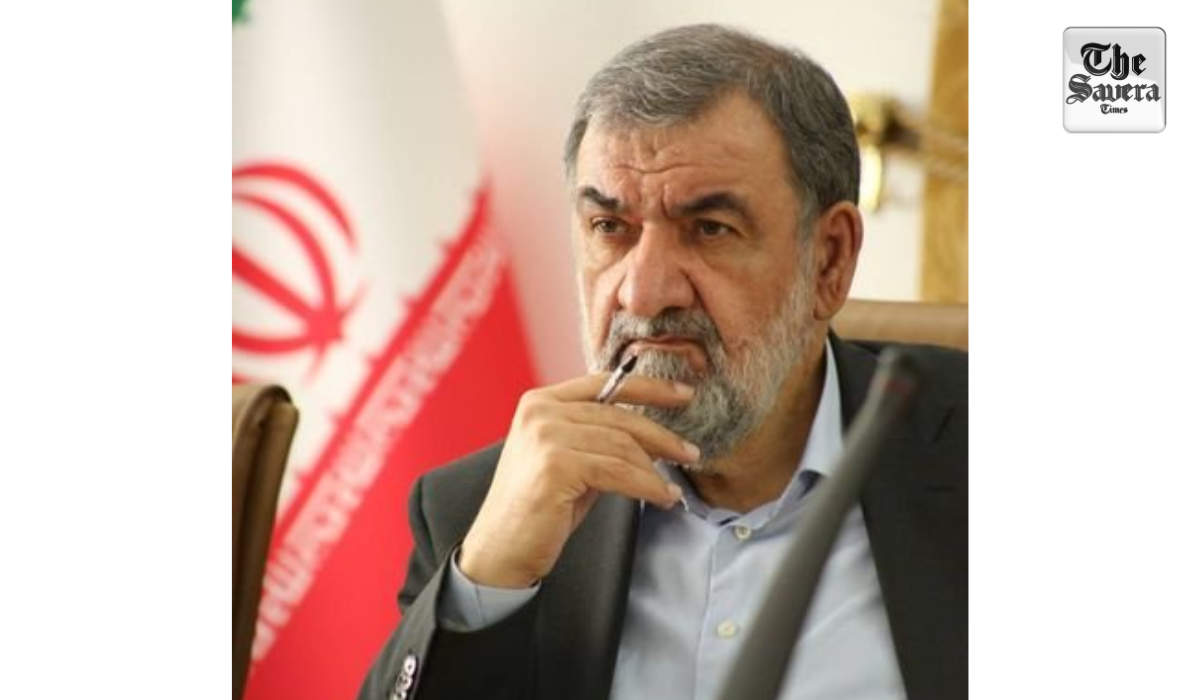
Tehran: Iran’s top security official Mohsen Rezaei warned that any country participating in the US economic war against Iran will be considered an “enemy” by Tehran. Rezaei, the secretary of Iran’s Supreme National Security Council, made the remarks on Saturday in an interview with state-run IRIB TV. He said Iran would first negotiate with such.
Washington: US President Donald Trump has described the Strait of Hormuz as American territory while declaring that Iran would never be permitted to acquire a nuclear weapon. Trump made the remarks at a campaign rally in Myrtle Beach, South Carolina, where he sought support for Republican Senate candidate Darlene Graham ahead of Tuesday’s runoff election..
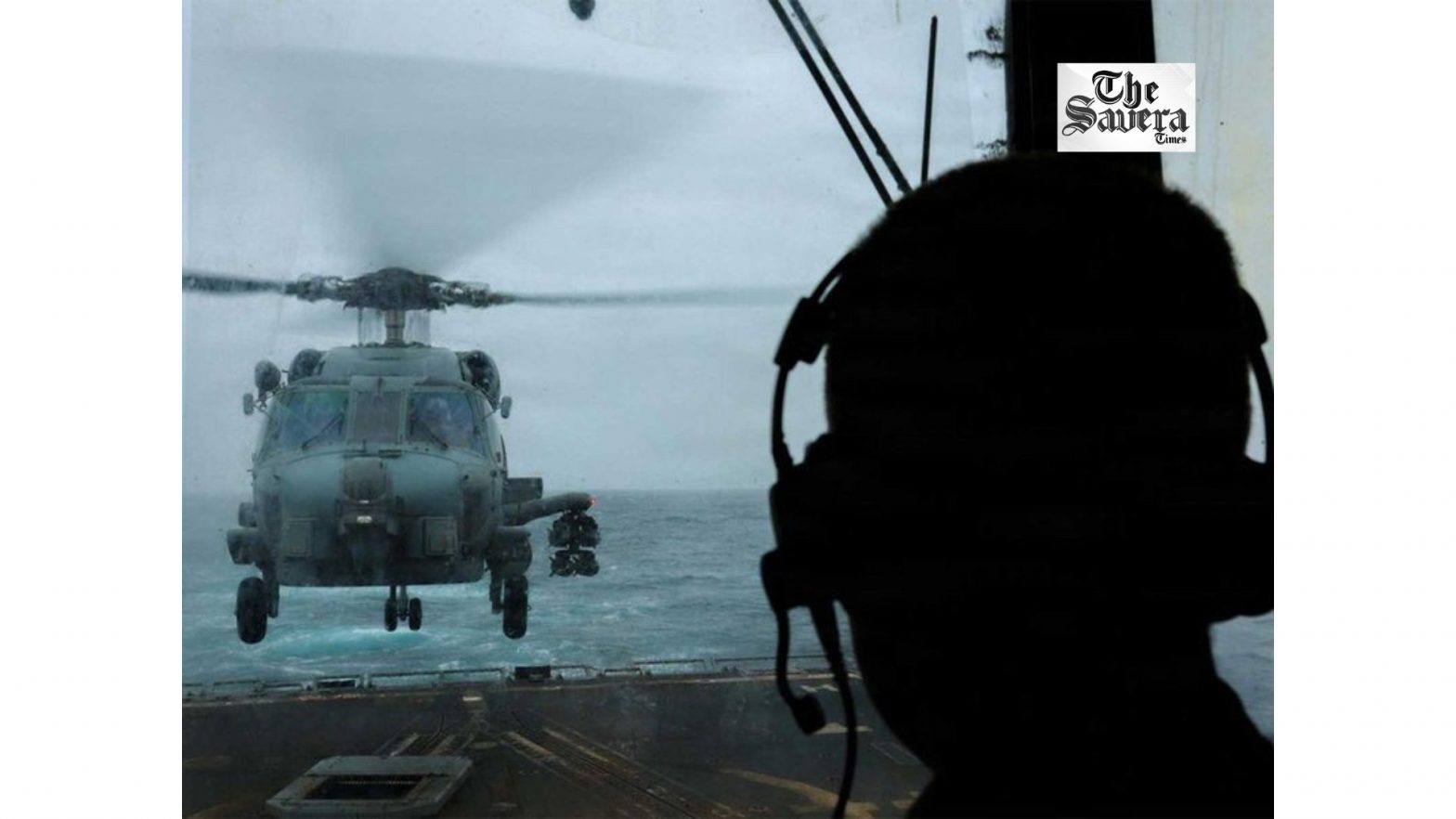
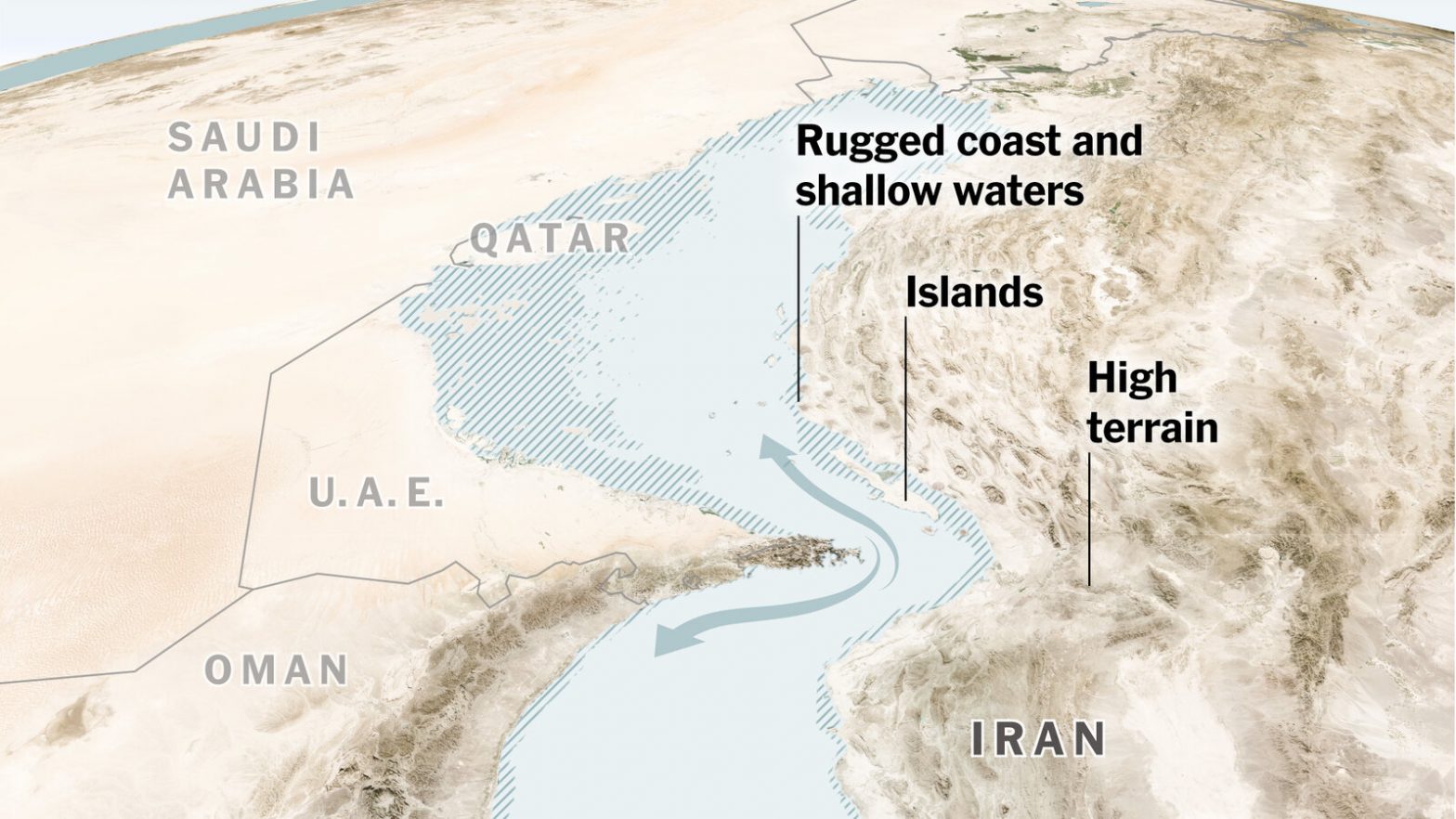
The US military has reportedly established a secret maritime corridor through the Strait of Hormuz, helping move around 10 million barrels of oil daily amid the Iran stalemate.
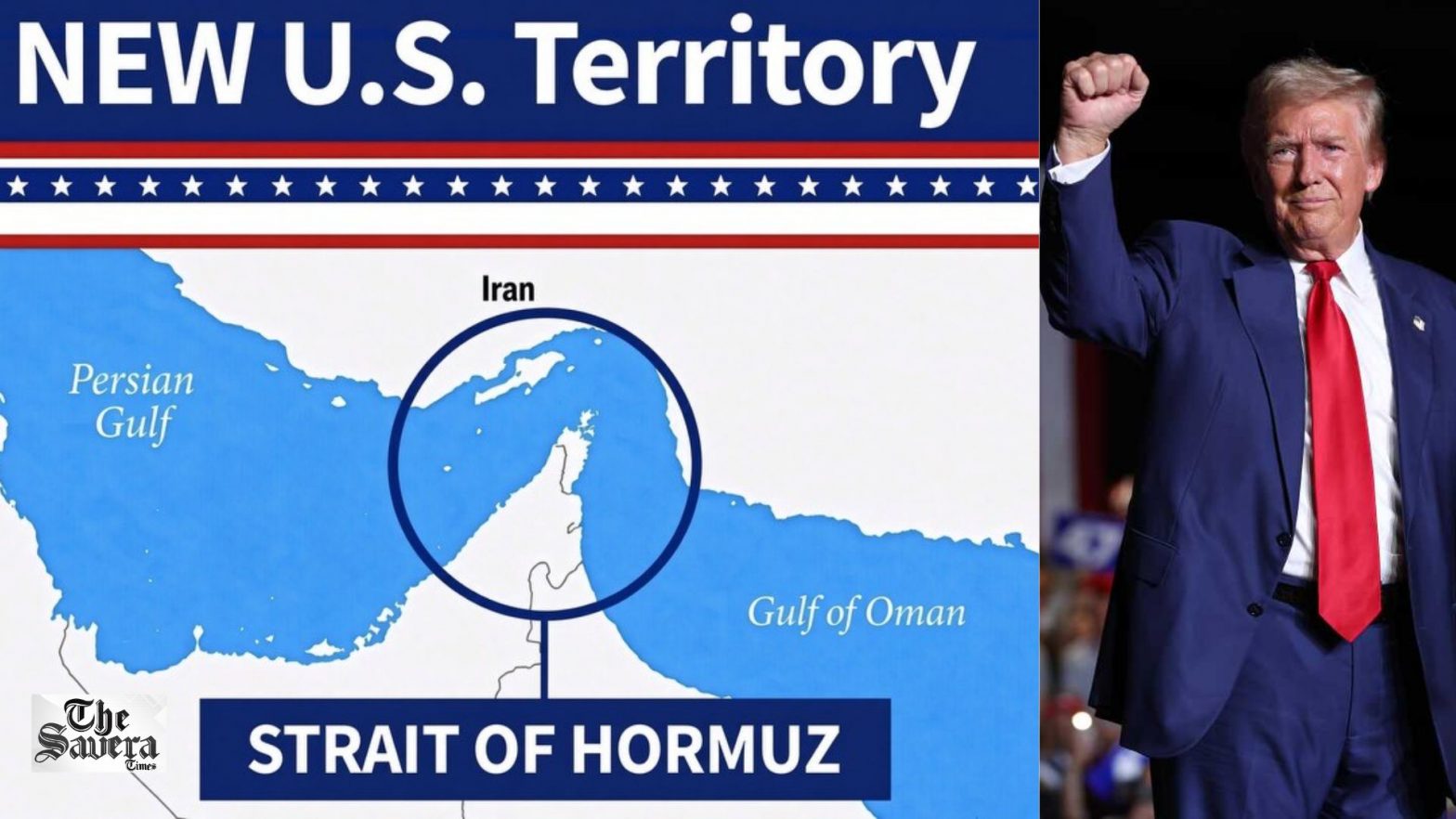
Washington/Tehran: US President Donald Trump on Tuesday posted an image of a map labelling the Strait of Hormuz as a “new US territory”, amid escalating tensions with Iran over the strategic waterway. Trump shared the map on his Truth Social platform without adding any comment. Last week, he had said that he would “pretty soon”.
The closure of the Strait of Hormuz amid the escalating unrest in West Asia highlights how dependence on a single transit route can encourage aggressive military strategies.
Iran and Oman have agreed on shipping routes for vessels passing through the strategic Strait of Hormuz, though technical discussions are continuing and a broader agreement governing traffic through the waterway has not yet been finalised. Iranian Foreign Ministry spokesman Esmaeil Baghaei said negotiations between the two countries had progressed smoothly over the past three.
New Delhi: The oil-price volatility, higher insurance and freight costs and strengthening El Nino effects during August–September are the factors which are likely to keep pressure on imported commodities, food prices and headline WPI, according to economists. Sonal Badhan, Economist, Bank of Baroda, said that going forward, as hopes of a peace deal between US.