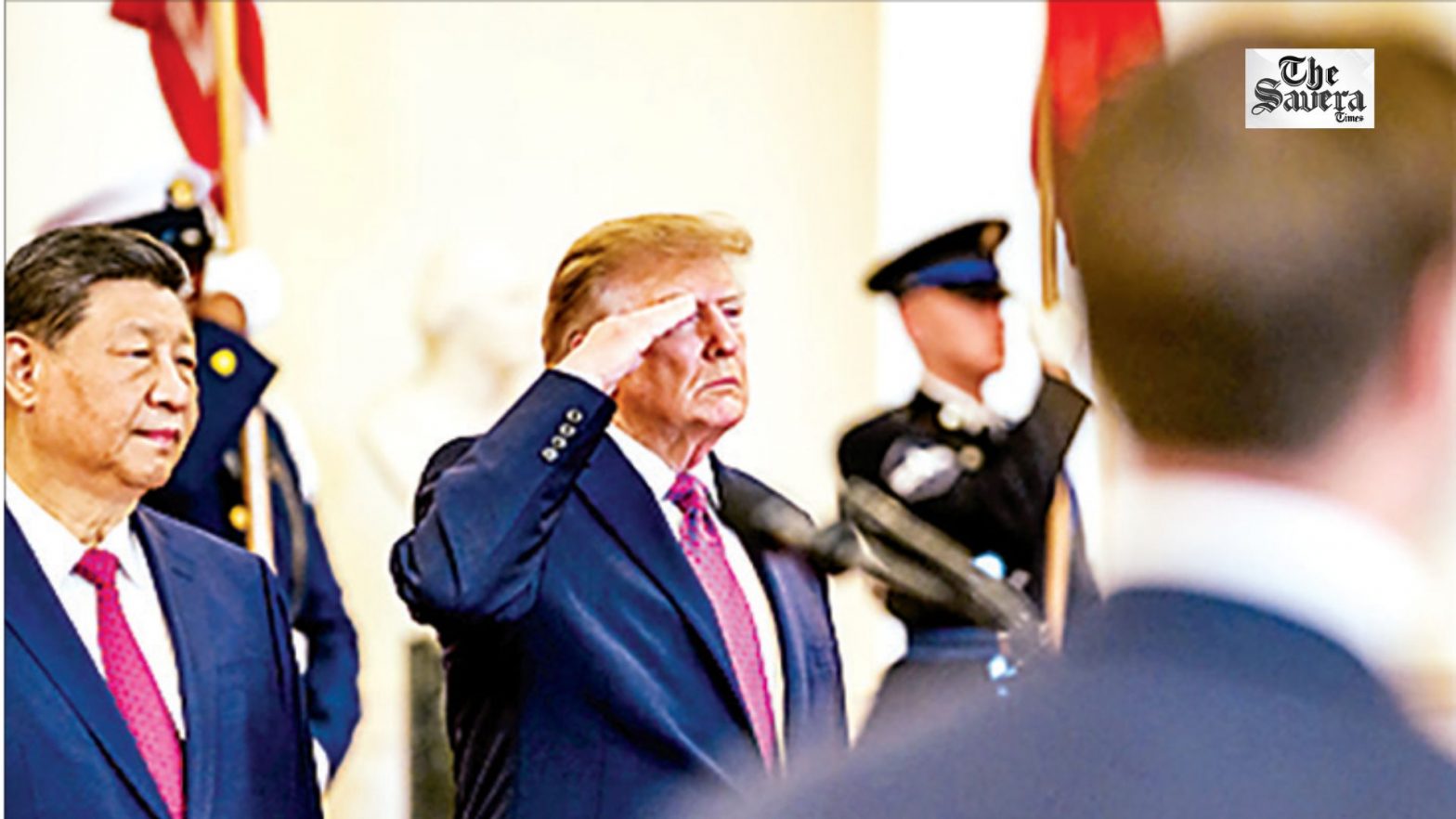
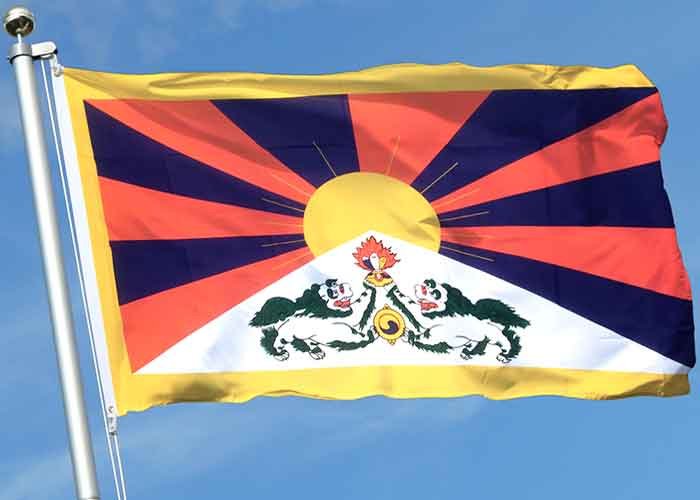
The US “sold out” Tibet in its 1972 strategic deal with China, and successive administrations have continued to put geopolitical interests ahead of justice. Former US President Richard Nixon’s Cold War strategy may have altered the global balance, but it left Tibet politically isolated and diplomatically overlooked. When Richard Nixon stepped off the plane in.
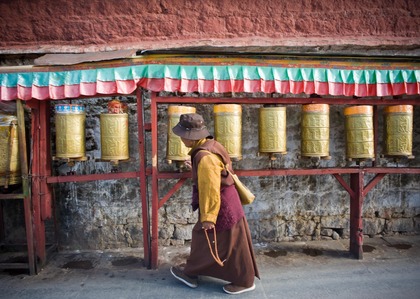
Access to Tibet has become increasingly difficult amid China’s tightening grip on the region. Foreign journalists, diplomats, and independent researchers face tight entry restrictions while Tibetans risk reprisals for sharing photos, videos, or information with people outside China. Citing the Central Tibetan Administration, Tibet’s government-in-exile, a report in ‘The Diplomat’ noted that the Chinese authorities.
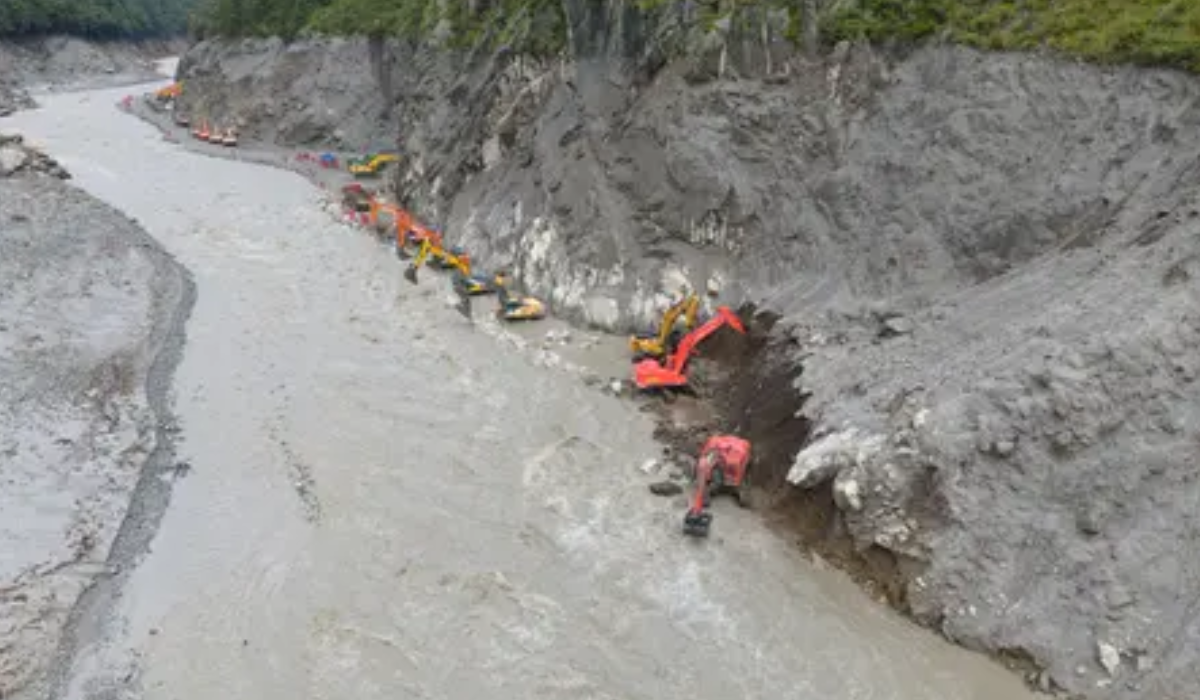
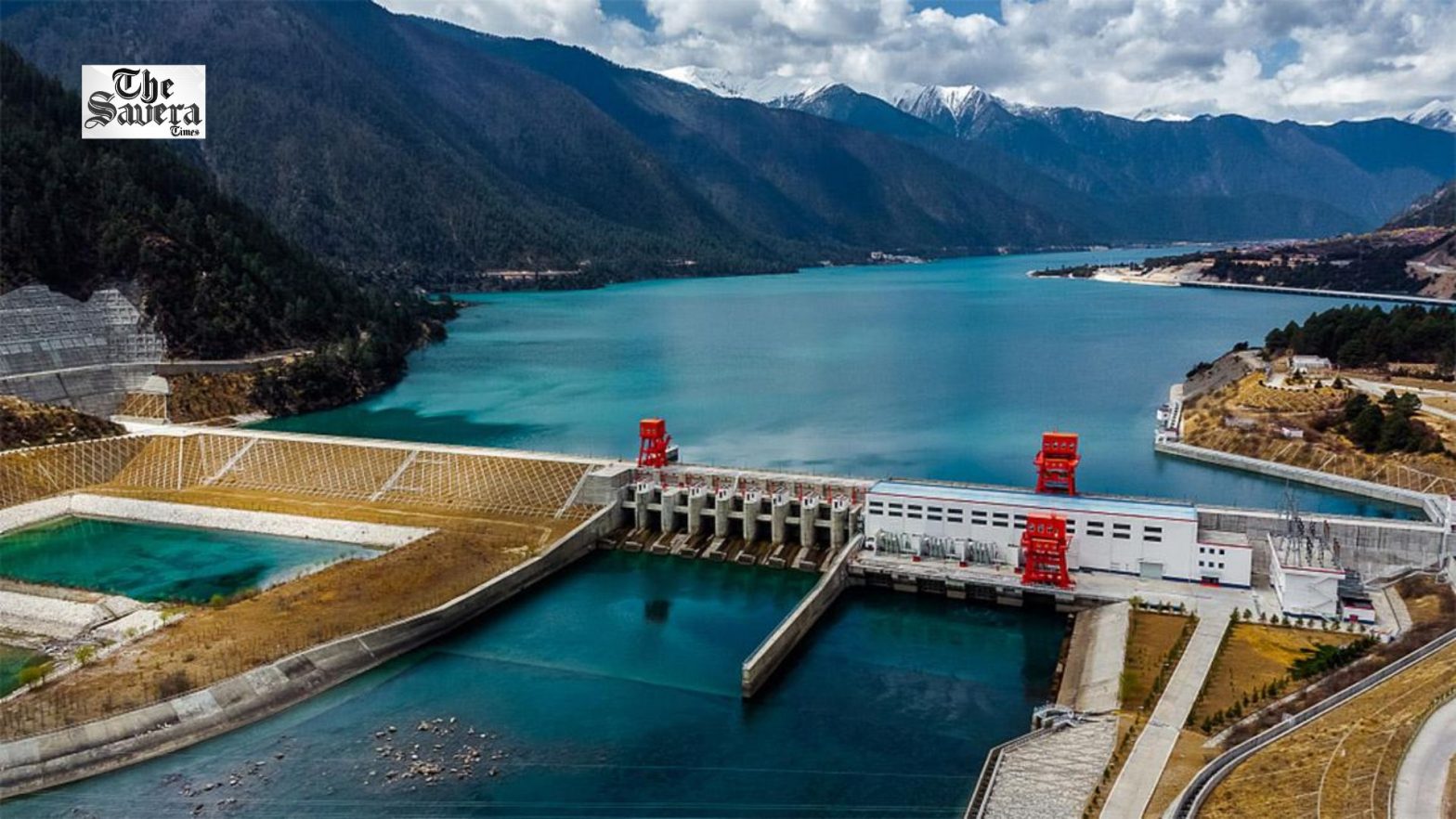
China's push to expand renewable energy infrastructure in Tibet is drawing criticism over its environmental and social impact. Reports claim large-scale solar, hydropower and mining projects are disrupting local ecosystems and affecting traditional Tibetan livelihoods.
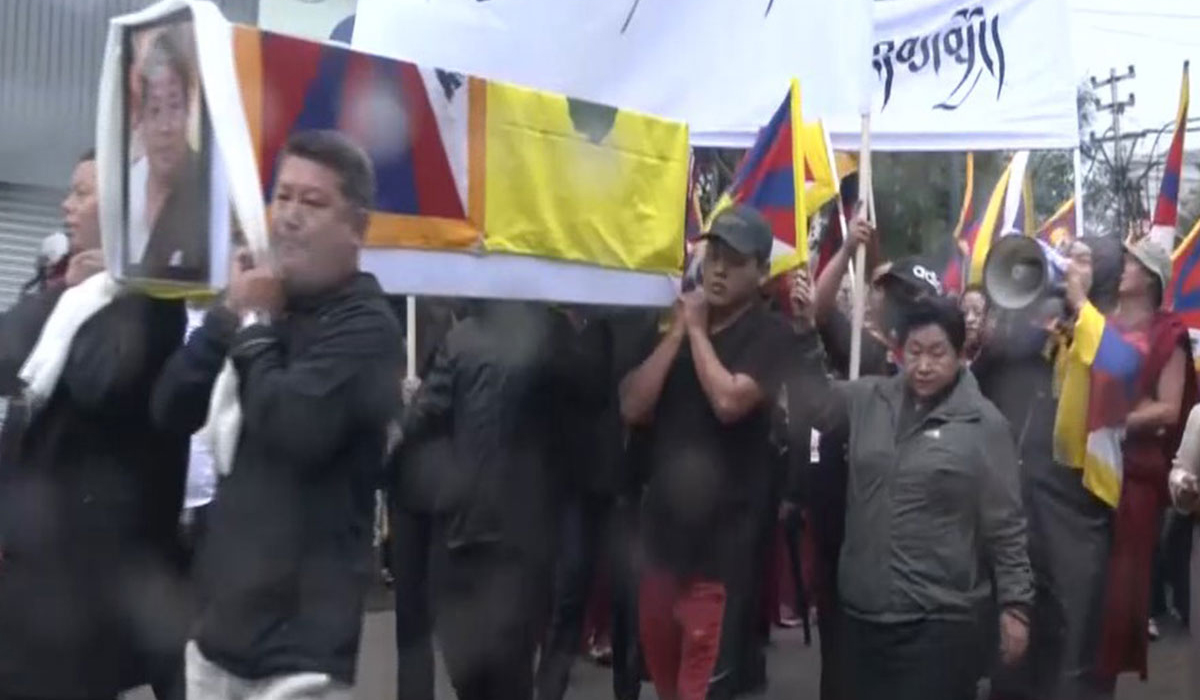
The self-immolation outside the United Nations (UN) Headquarters in New York was not an isolated act of despair but a desperate appeal to the international community, reminding the world that Tibet’s suffering remains hidden behind China’s carefully projected image. A person setting himself on fire is not only a personal tragedy but also a stark.
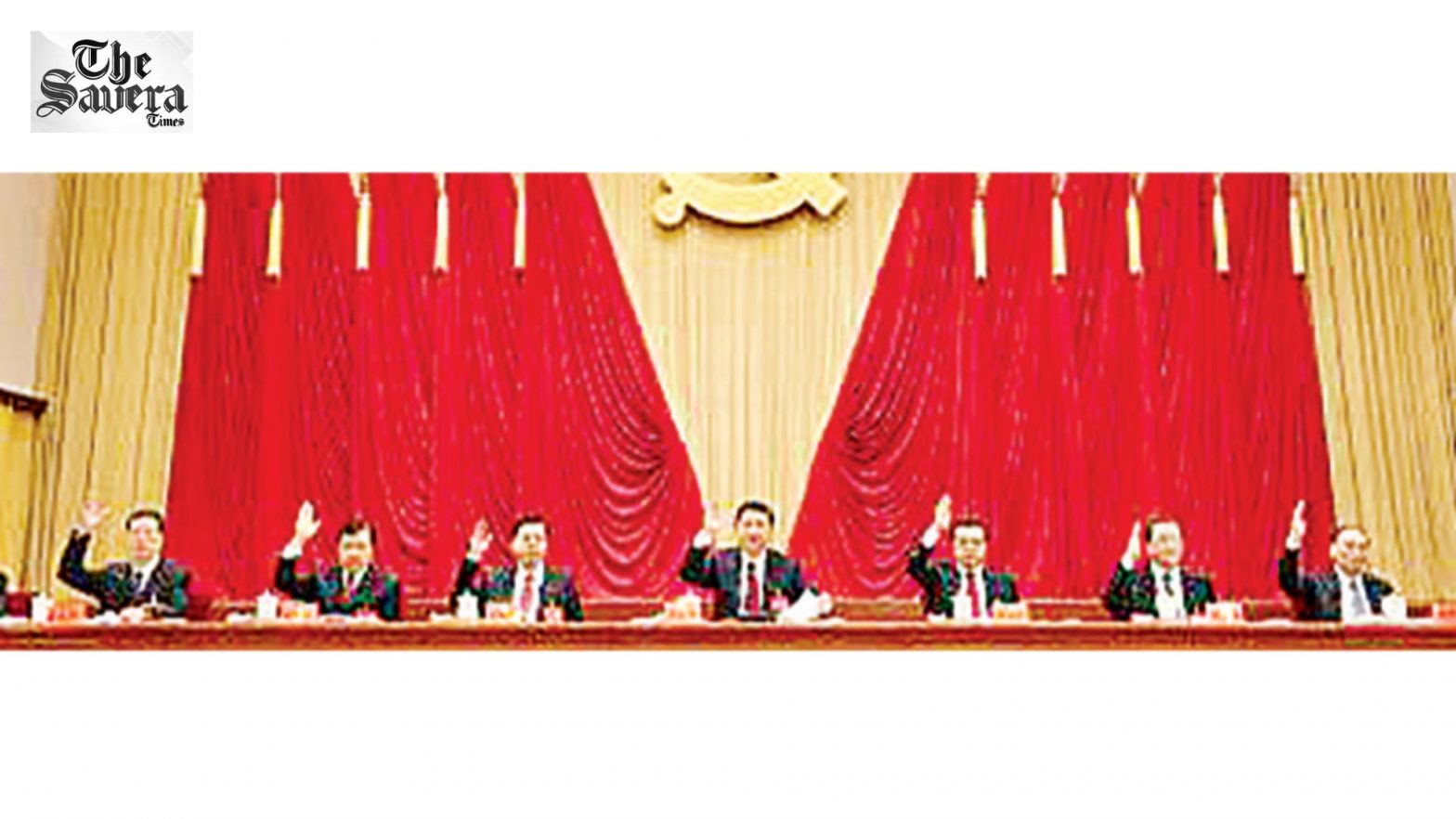
China’s new Ethnic Unity and Progress Promotion Law, which came into effect on July 1, is pushing the ethnic minorities to integrate with Chinese identity and mandating that parents guide their children to “love” the Chinese Communist Party (CCP). The law also “bans acts that ‘undermine ethnic unity or create ethnic division’ among China’s 56.
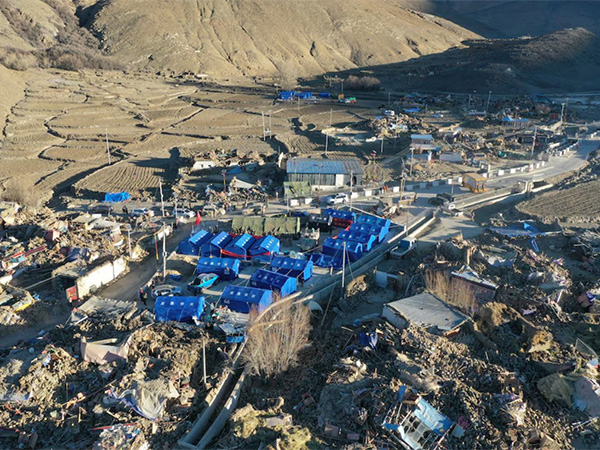
Tibet experienced a second earthquake measuring 4.0 magnitude, according to the National Center for Seismology (NCS). The quake struck at a shallow depth of 10 km, which increases the likelihood of aftershocks and potential damage. In a post on X, the NCS reported, “EQ of M: 4.0, on 30/07/2025 at 11:31:02 IST, Latitude: 28.32 N,.
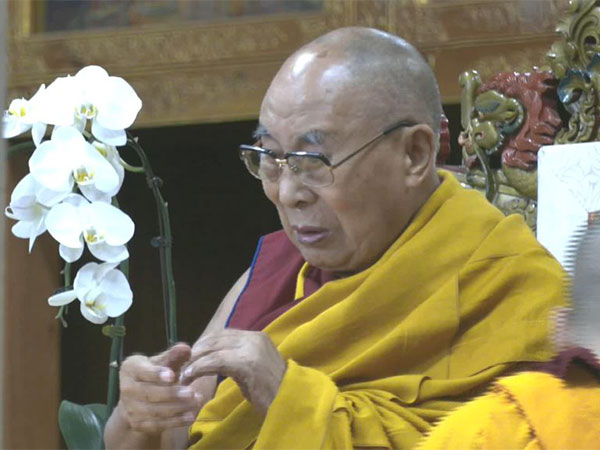
Bylakuppe (Karnataka): Several leaders including Dalai Lama have conveyed deep sorrow over the devastating earthquake that struck Dingri County in Tibet on Tuesday morning which killed around 95 people and injured around 103, according to reports. In an official statement from Bylakuppe, Lama expressed his condolences to those who lost their lives and wished for.