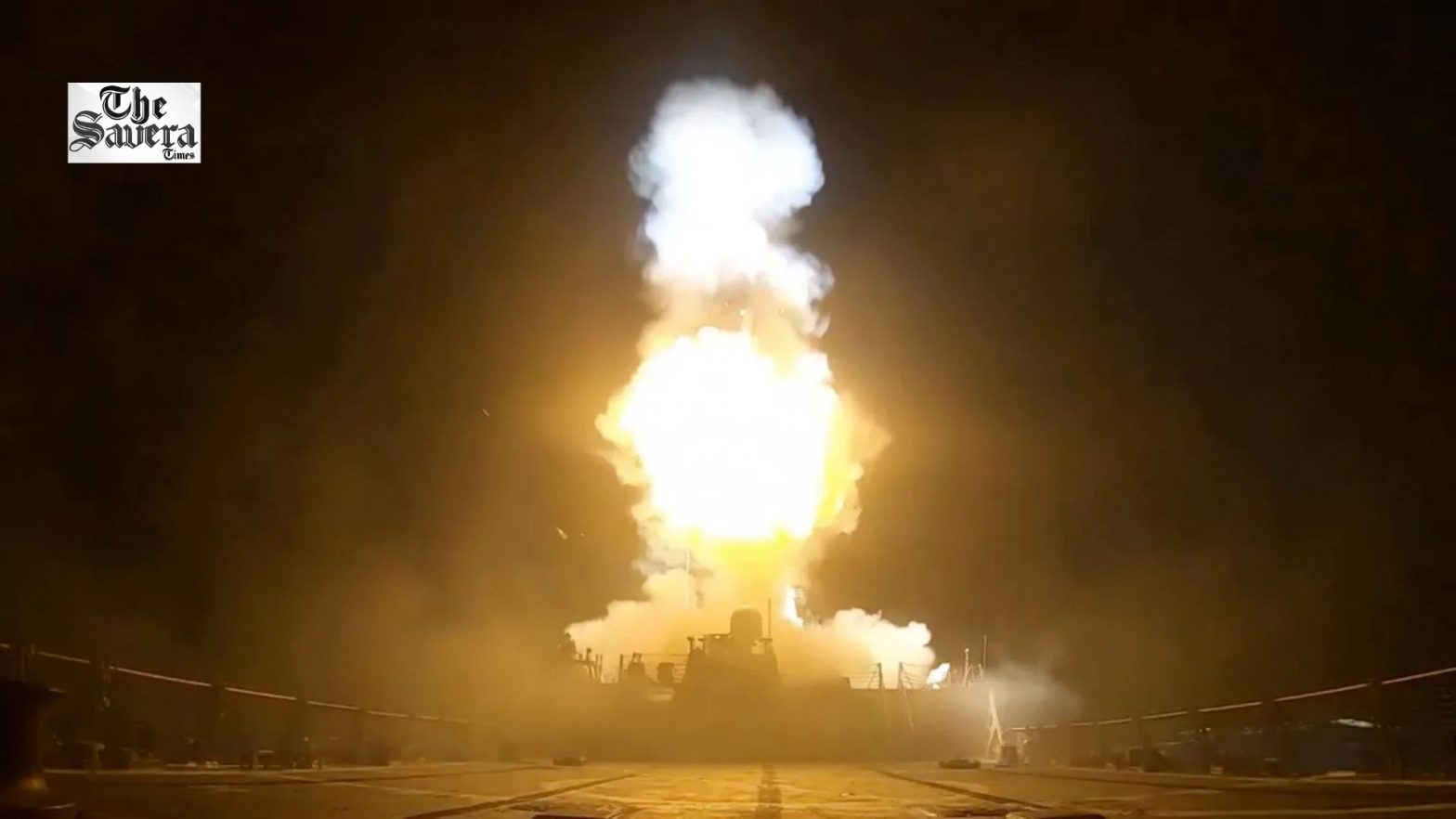
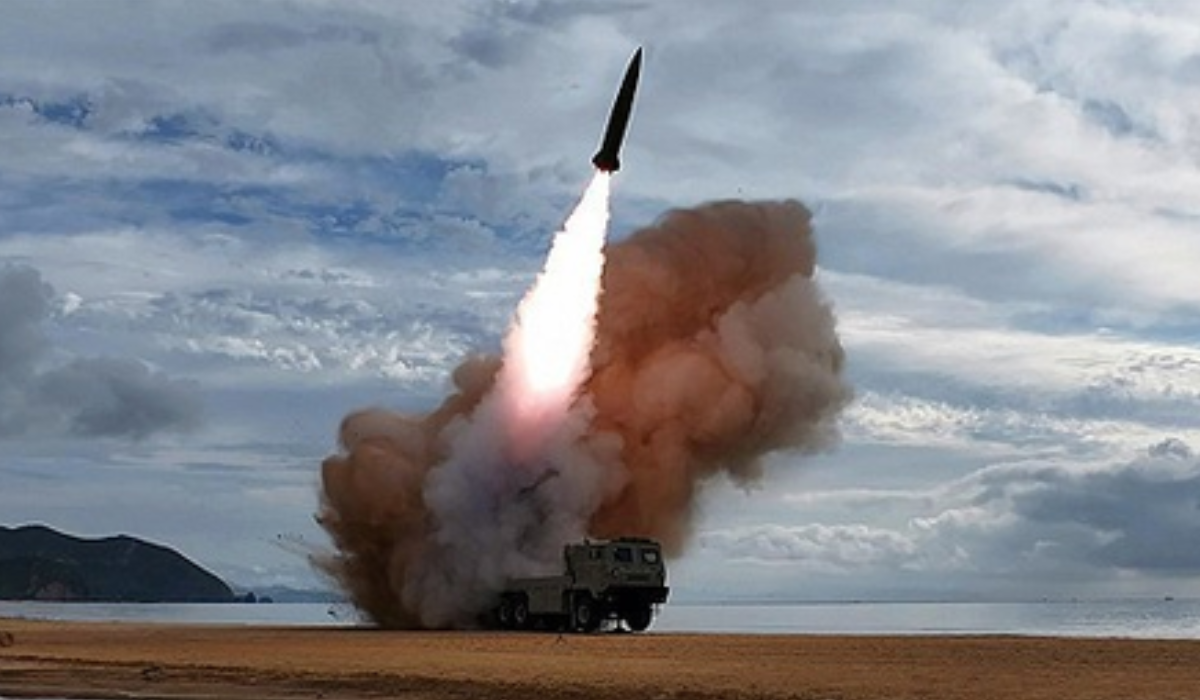
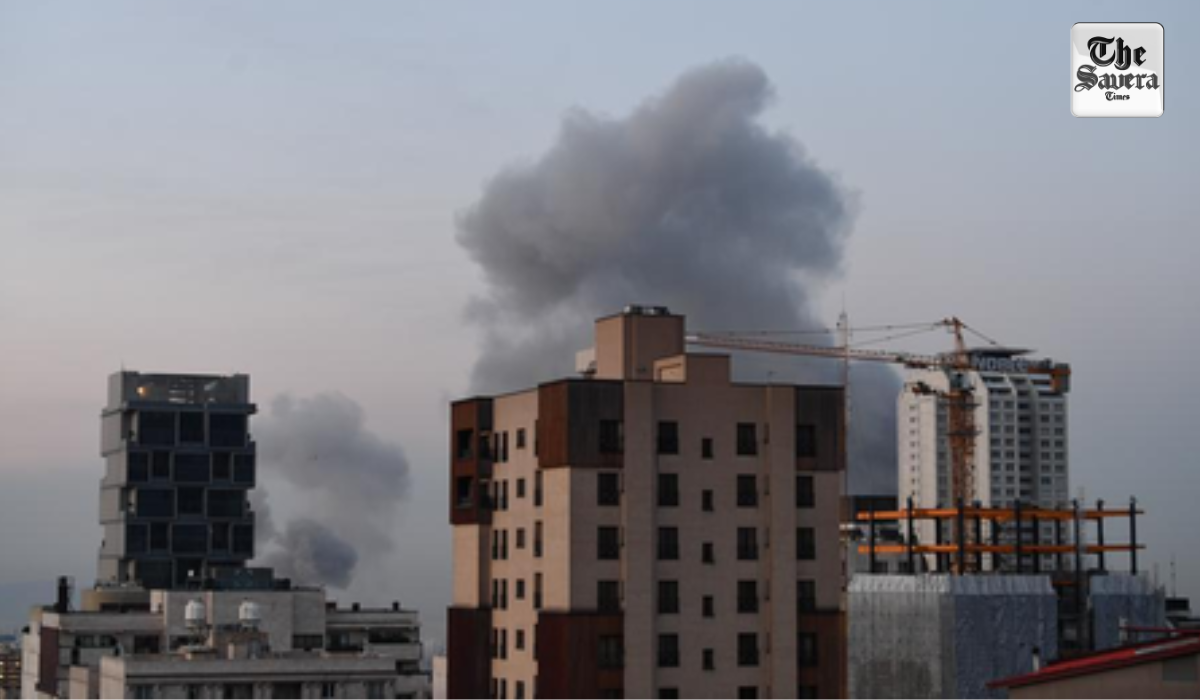
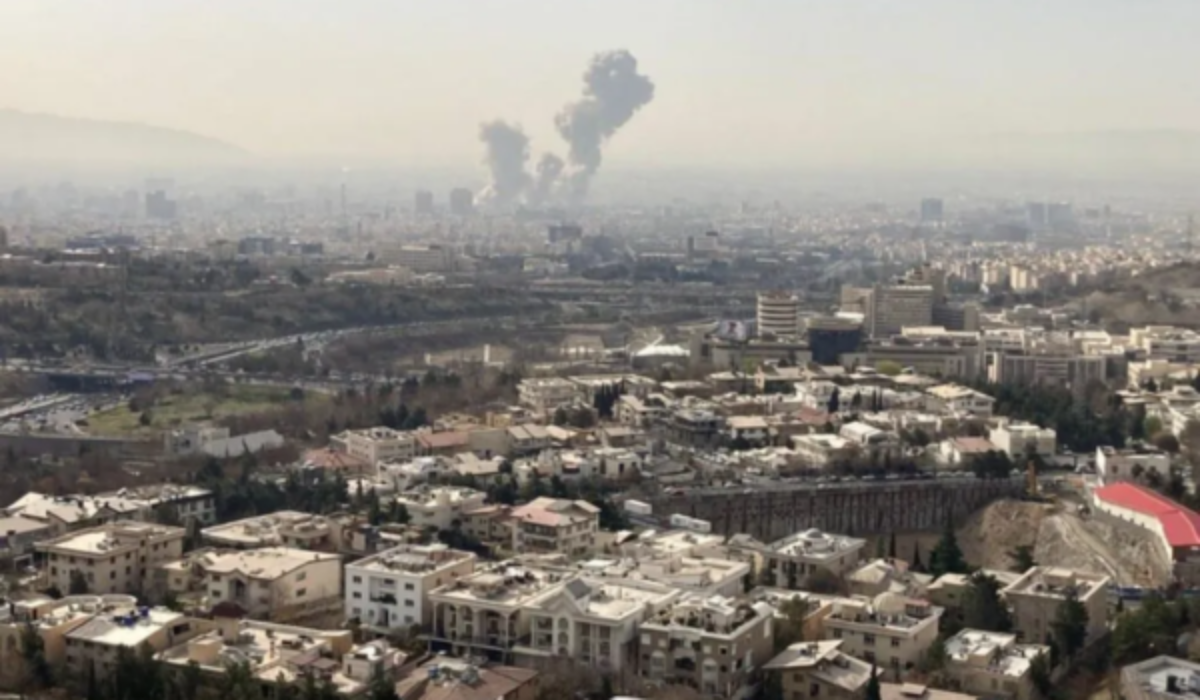
Washington: The United States has launched a fresh wave of airstrikes against Iran after tensions flared again in the Strait of Hormuz, one of the world’s most critical oil shipping routes. The latest military action comes amid growing concerns over regional security, global energy supplies and the future of diplomatic efforts between Washington and Tehran..
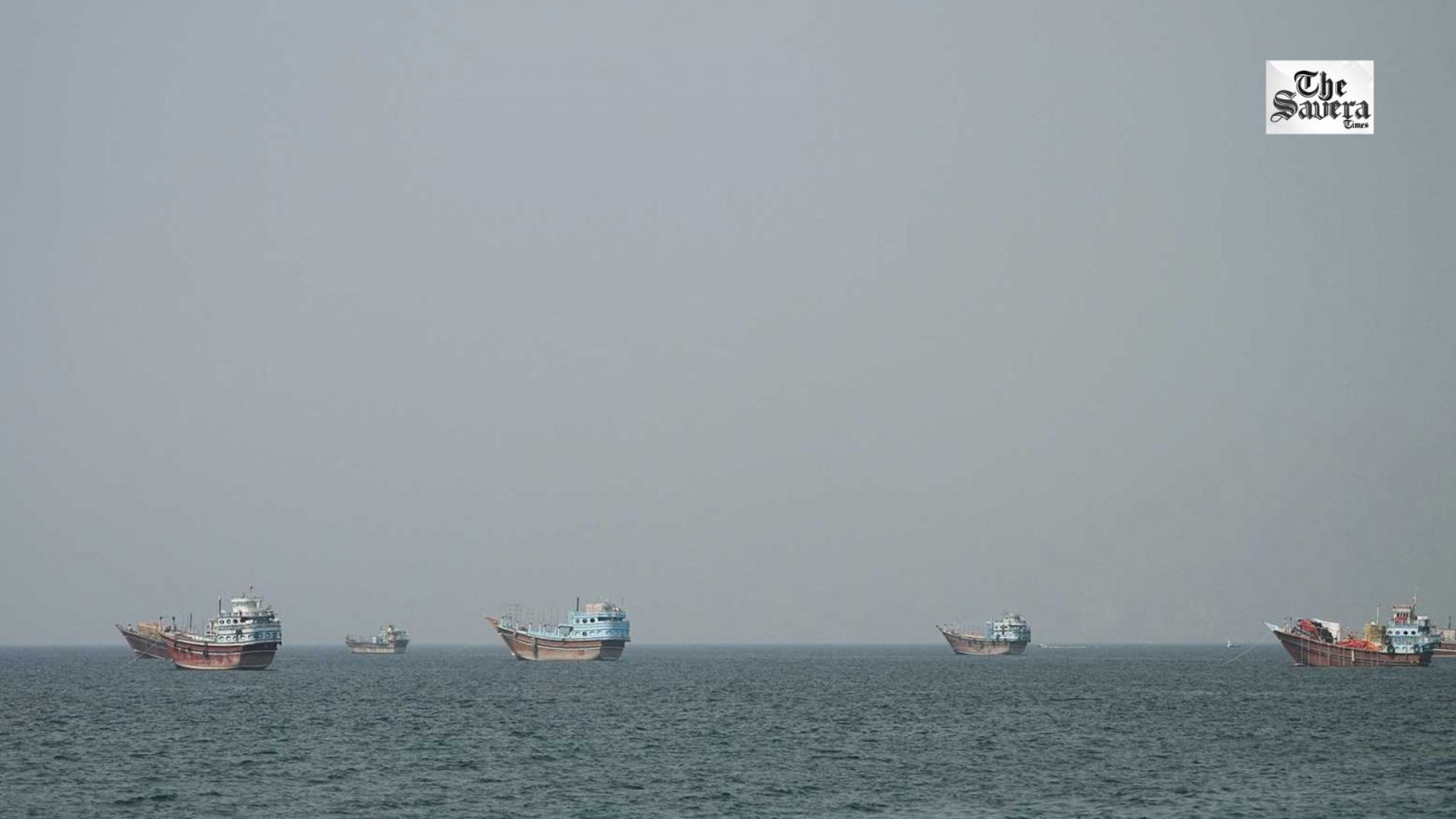
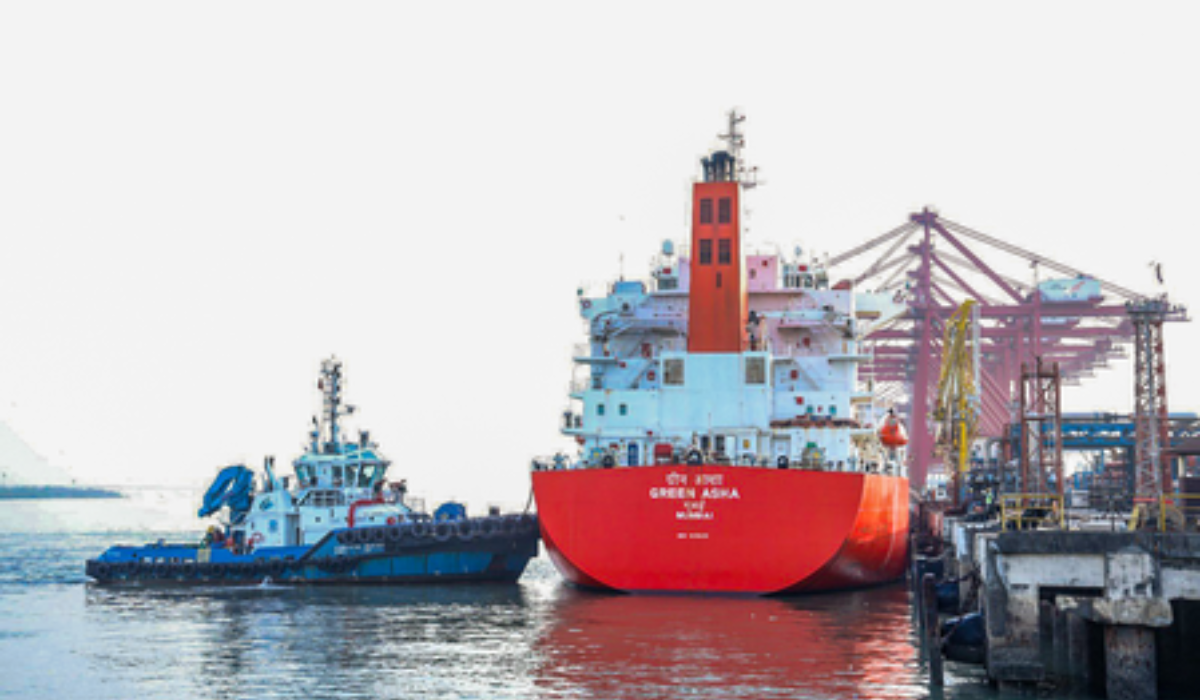
Florida: The United States has carried out fresh military strikes on Iran, marking another sharp escalation in tensions across the Gulf region. The latest action follows an attack on a Panama-flagged commercial tanker in the Strait of Hormuz, which Washington has linked to Iranian-backed operations targeting international shipping lanes. The strikes come amid already fragile.
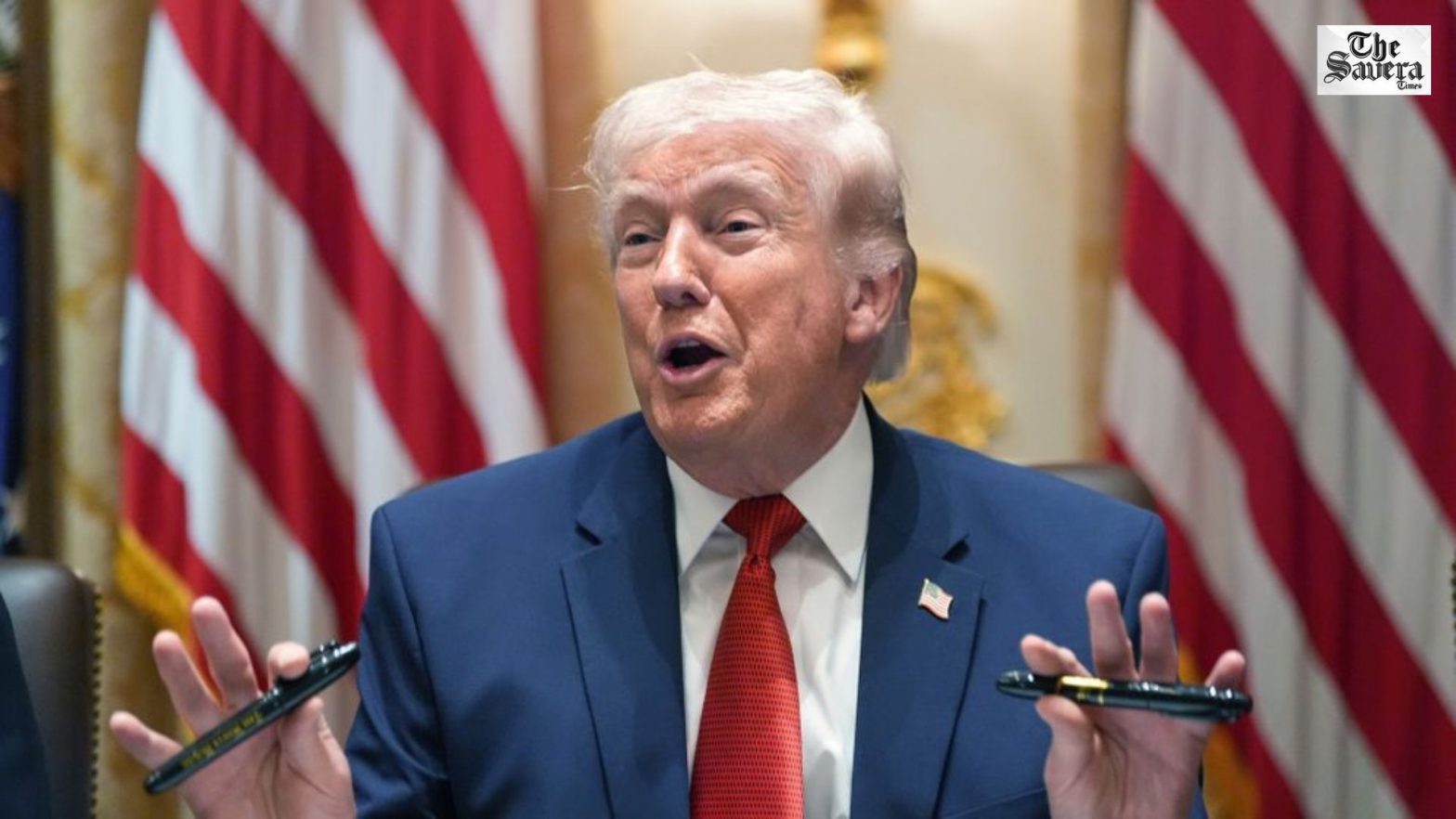
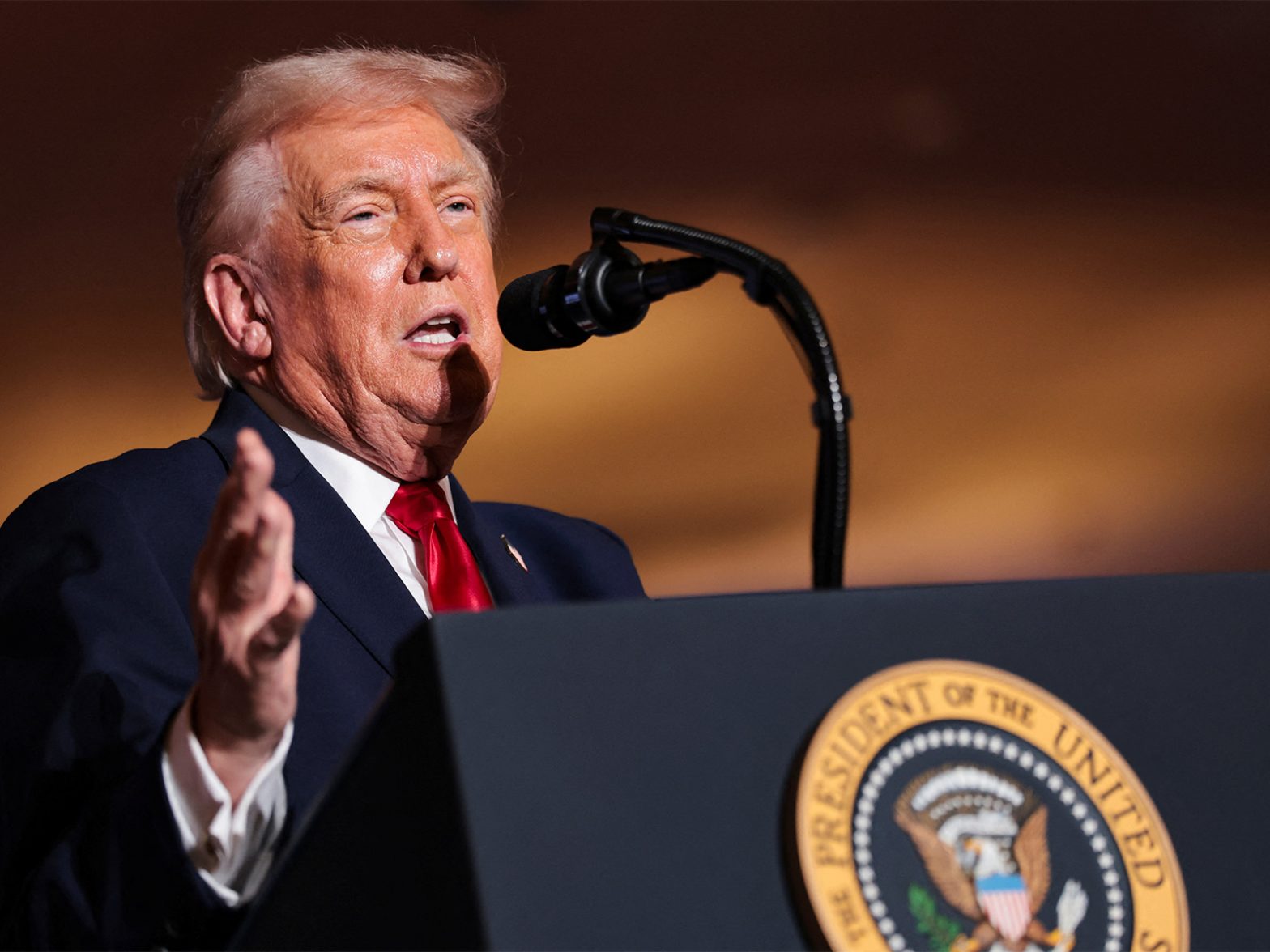
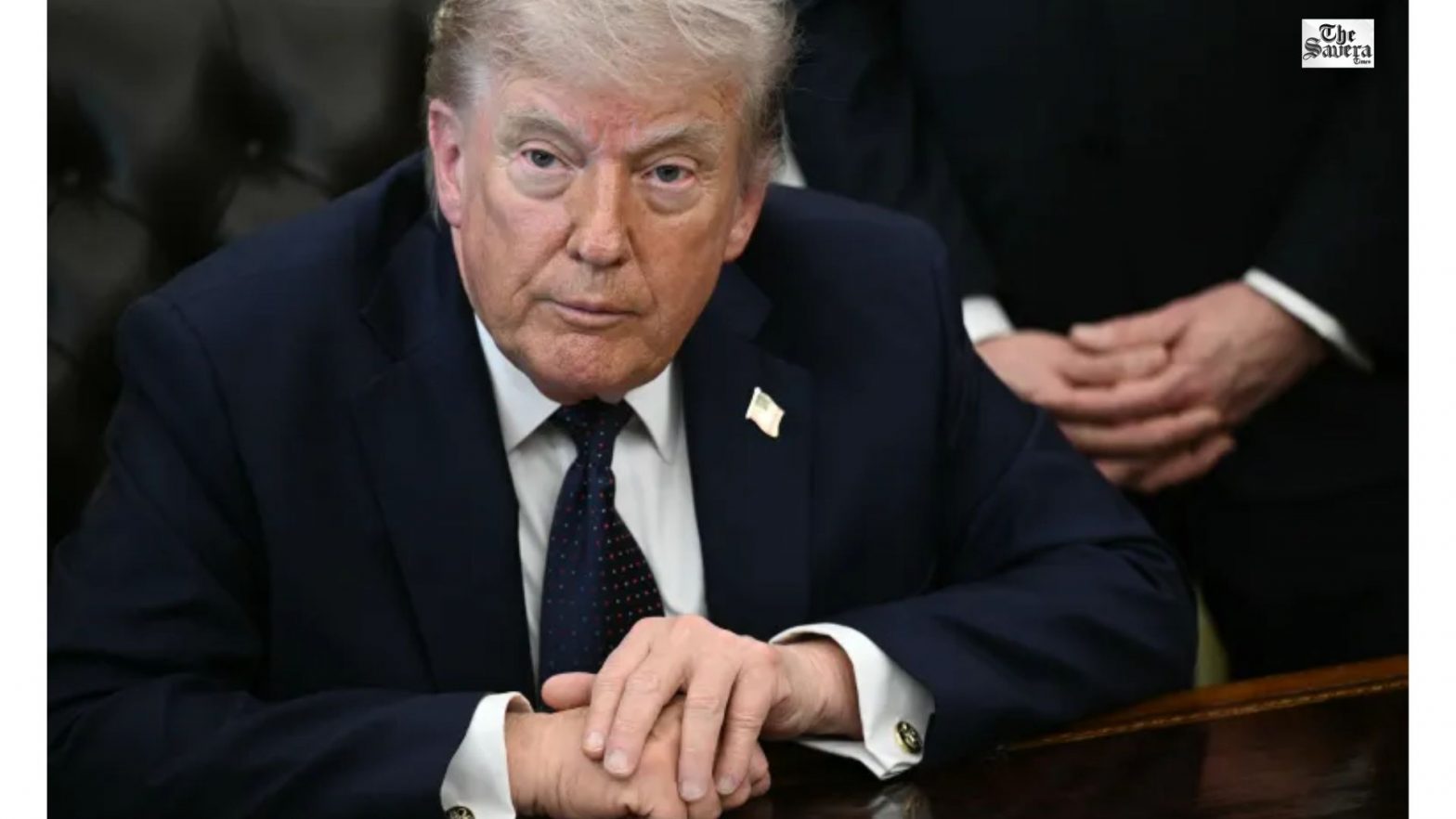
Turning to foreign policy, Trump defended recent US military action against Iran and repeated his longstanding assertion that Tehran would never be allowed to develop a nuclear weapon.
Currently, a 60-day ceasefire has been reached between the US and Iran. According to Trump, the Strait of Hormuz has been opened, and containers loaded with petrol and other essential goods are moving freely. India’s National Security Advisor Ajit Doval has also stated that opening the Strait of Hormuz will facilitate the recovery of the.
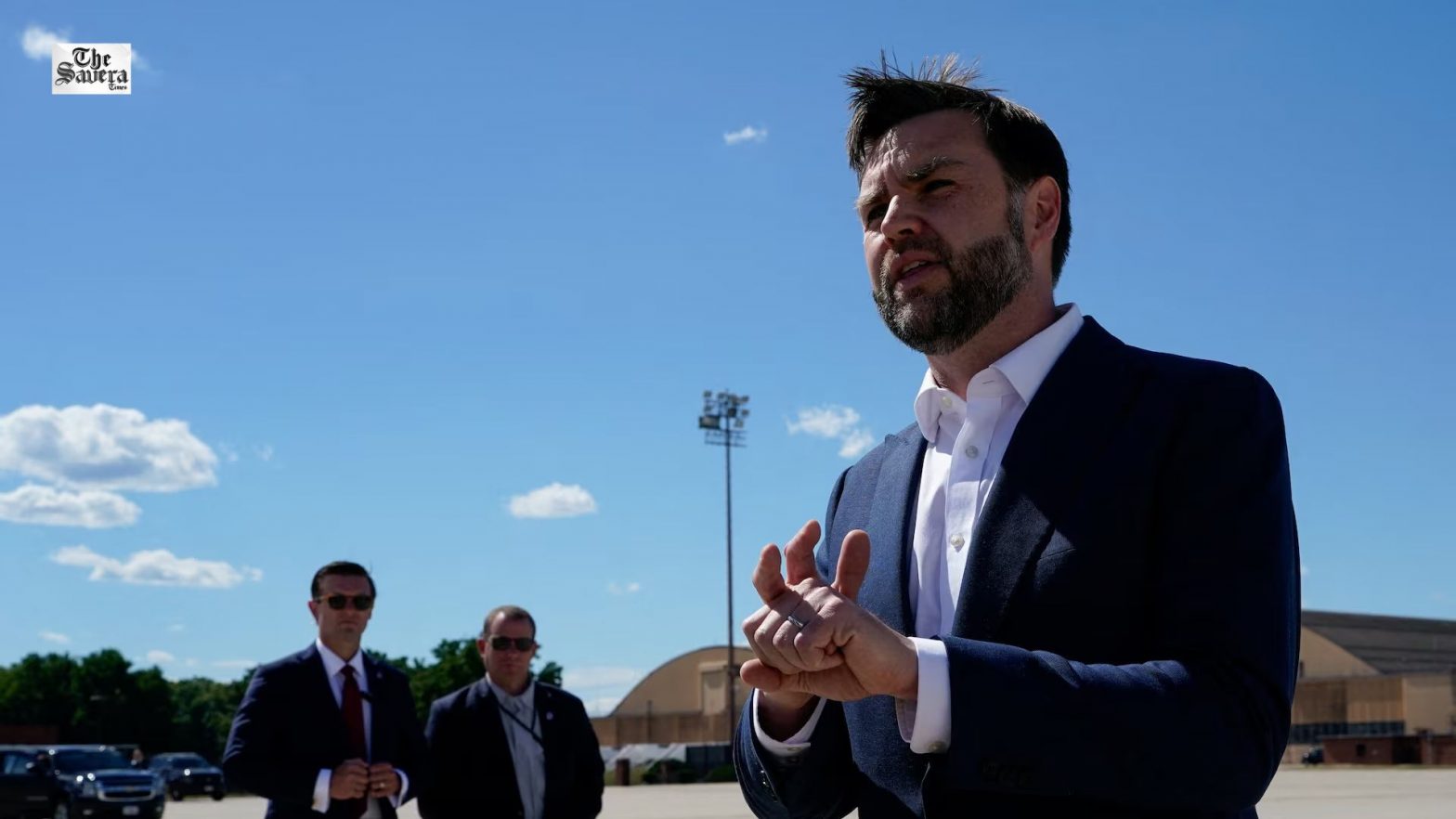
Geneva: US Vice President JD Vance arrived in Switzerland on Sunday for talks with Iran, according to media reports. Focus on Nuclear Issue and Lebanon Ceasefire Earlier while speaking to reporters before boarding his aircraft at Joint Base Andrews, Vance said “I think we’re going to hopefully make progress on the nuclear issue, make progress.
A conflict involving the US, Israel, and Iran has been underway in West Asia for three months. The US initiated the war—using Israel as a pretext—aiming to seize Iran’s enriched nuclear materials and prevent it from ever developing a nuclear bomb. Israel also feared that if Iran were to build a nuclear weapon, it would.