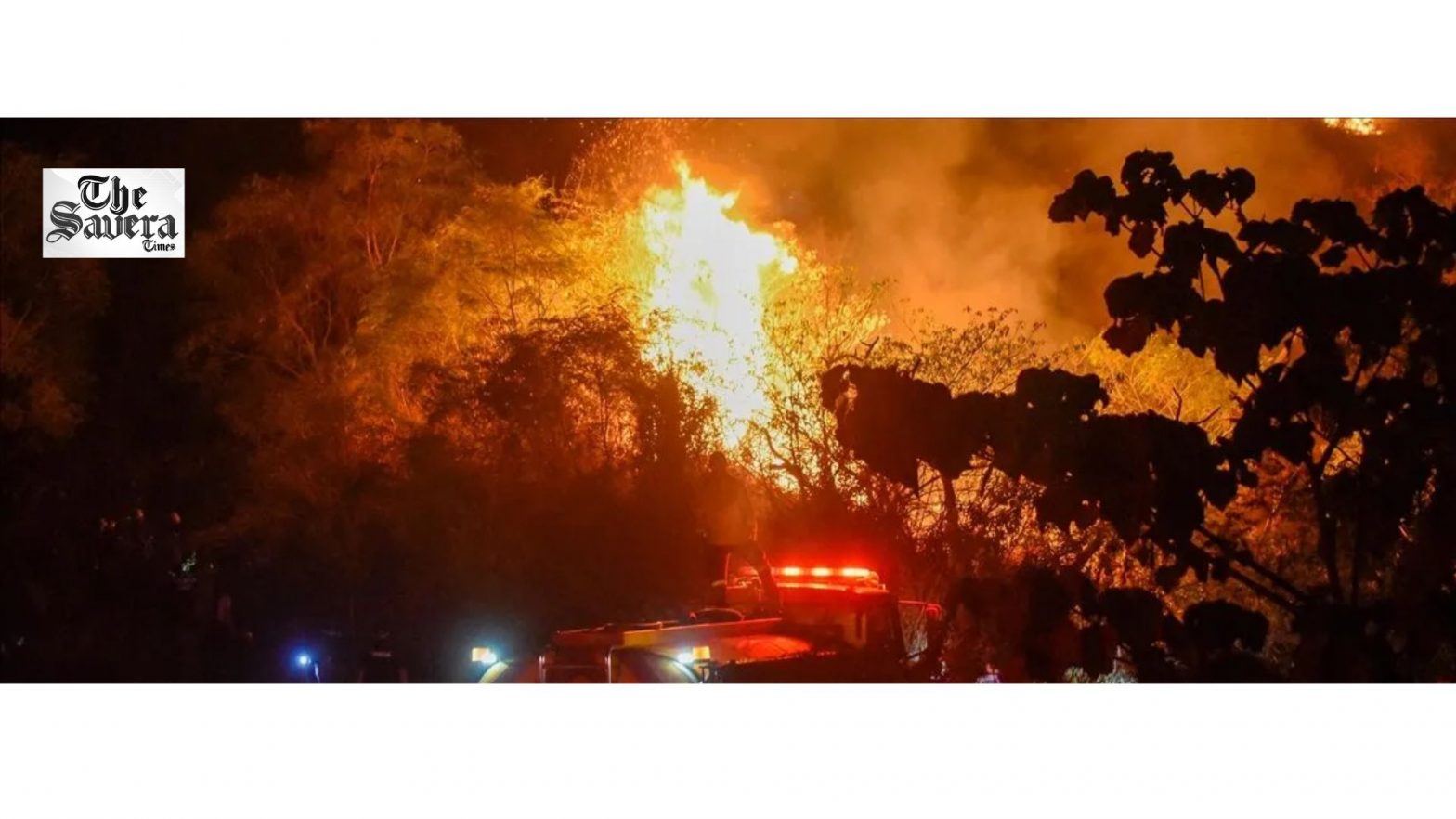
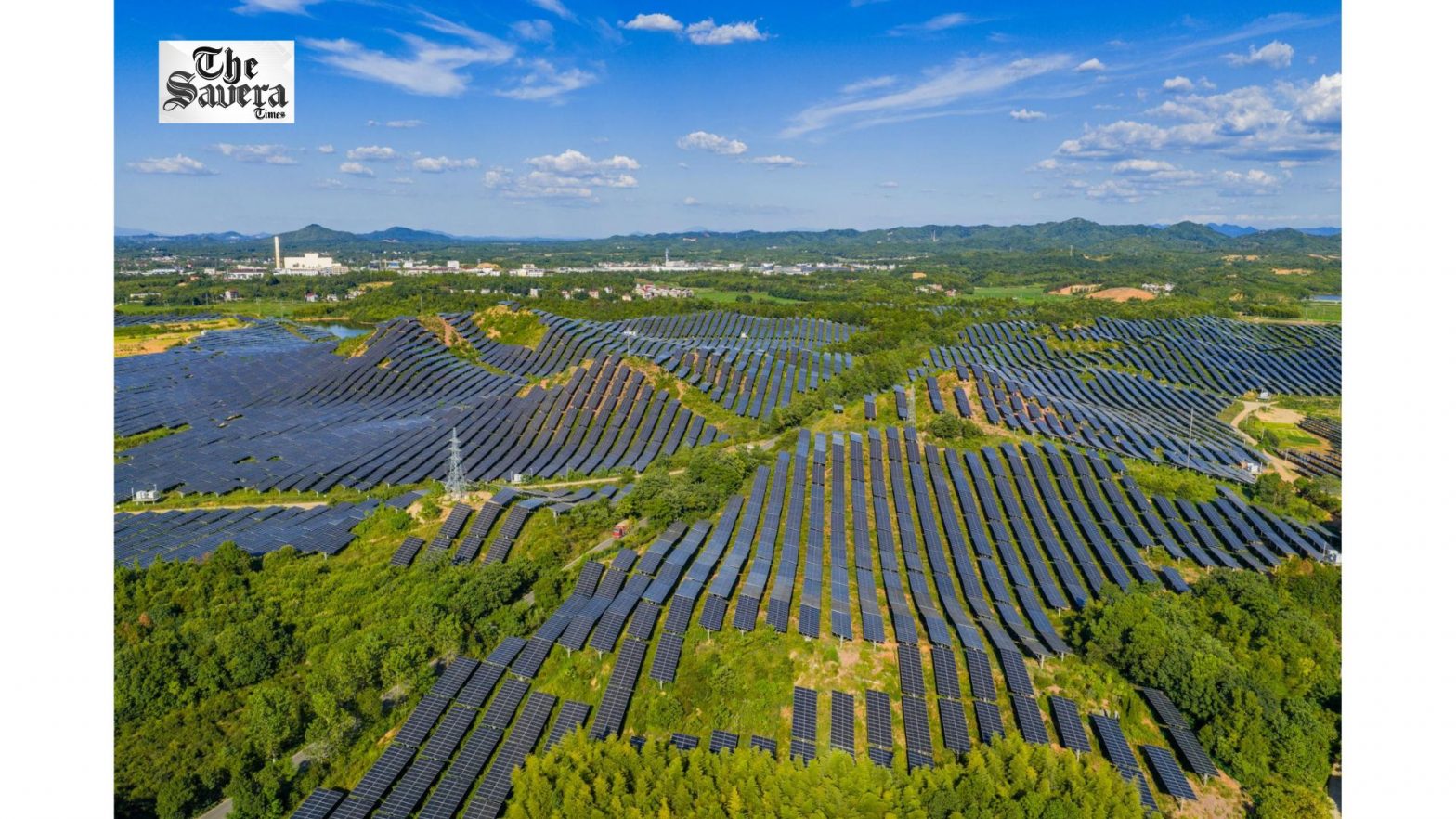
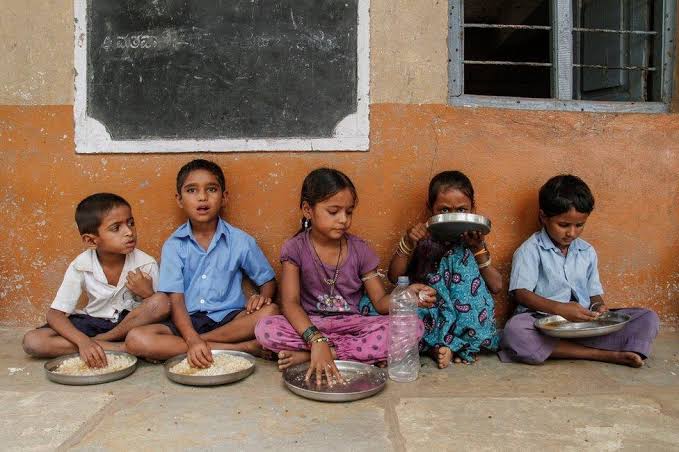
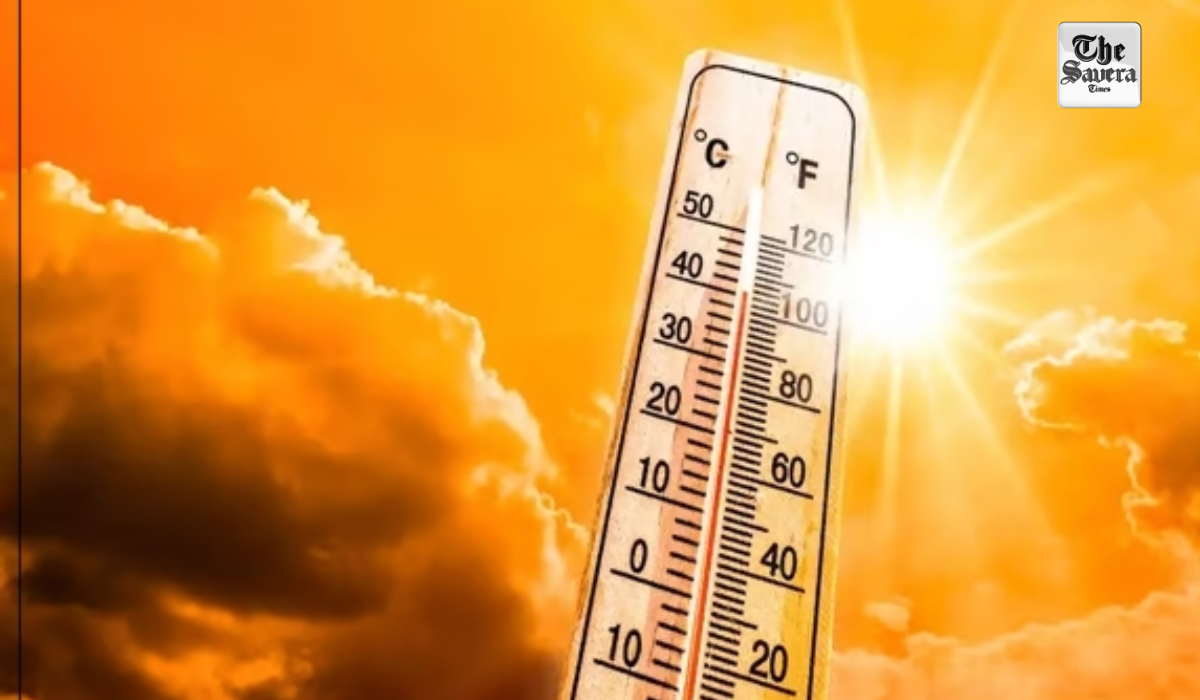
As the West swelters amid severe heatwaves, several media reports have lately been debating the use of air-conditioners (ACs) which was once not really a necessary item to be added in a household, especially in Europe. India, meanwhile, “is quickly adding AC units” with an additional “some 50m between 2019 and 2024, or half of.
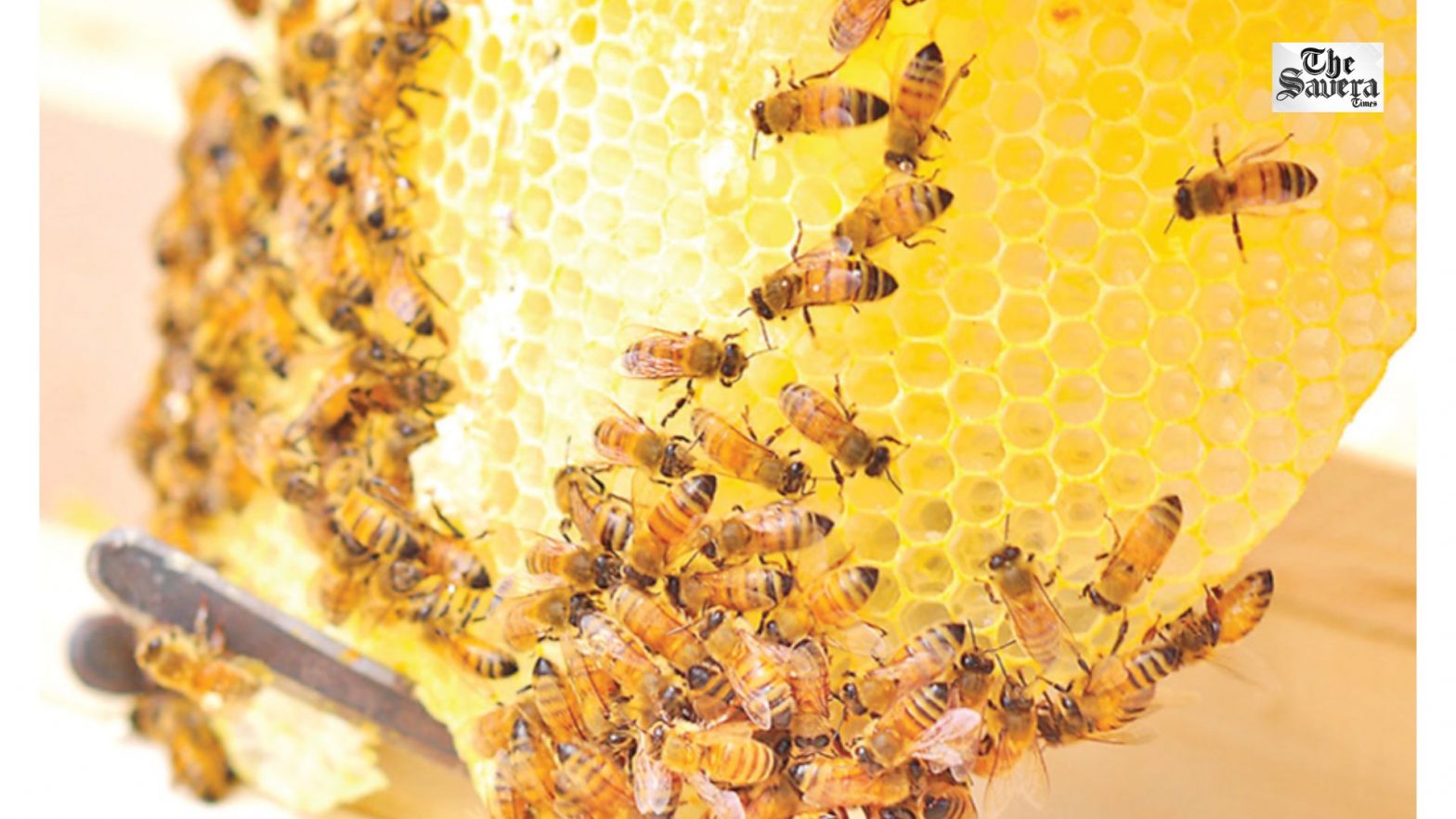
Kashmir’s beekeepers are facing a major setback as erratic weather and disrupted flowering patterns have reduced honey production by up to 90%, raising concerns over pollination in apple orchards.
An estimated 2.7 million additional people across 26 Small Island Developing States (SIDS) were pushed into moderate to severe food insecurity because of more frequent droughts and heatwaves in 2023, while 4.4 billion potential work hours were lost to extreme heat in 2024, the highest annual loss since tracking began in 1990. Heatwaves were.
Climate change could significantly worsen urban water affordability by increasing infrastructure costs and household water bills by midcentury, according to a new study published in the journal Nature Sustainability on July 8, 2026. The study is the first to comprehensively examine how climate change, aging infrastructure, utility investment decisions and household water demand interact to.
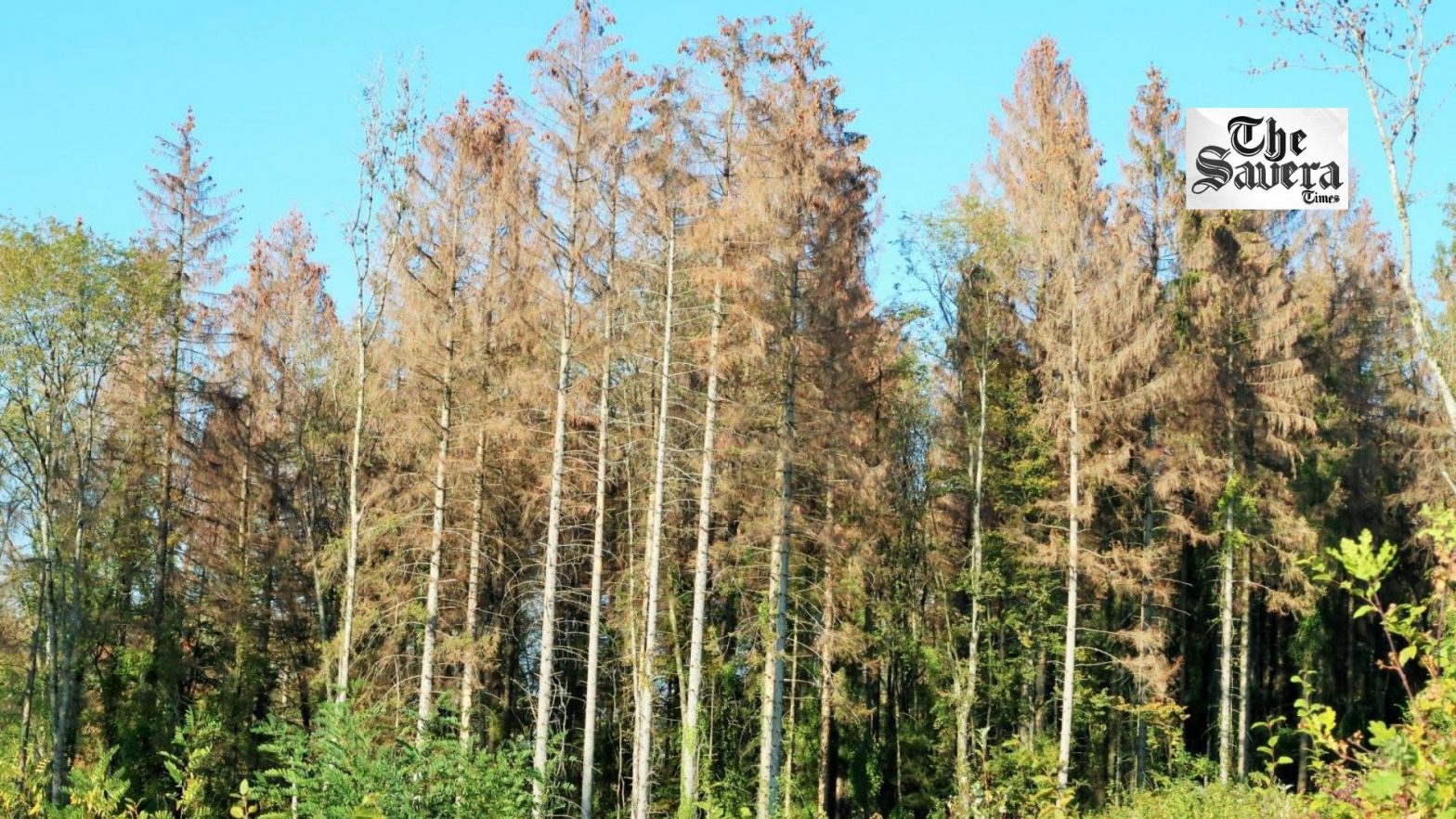
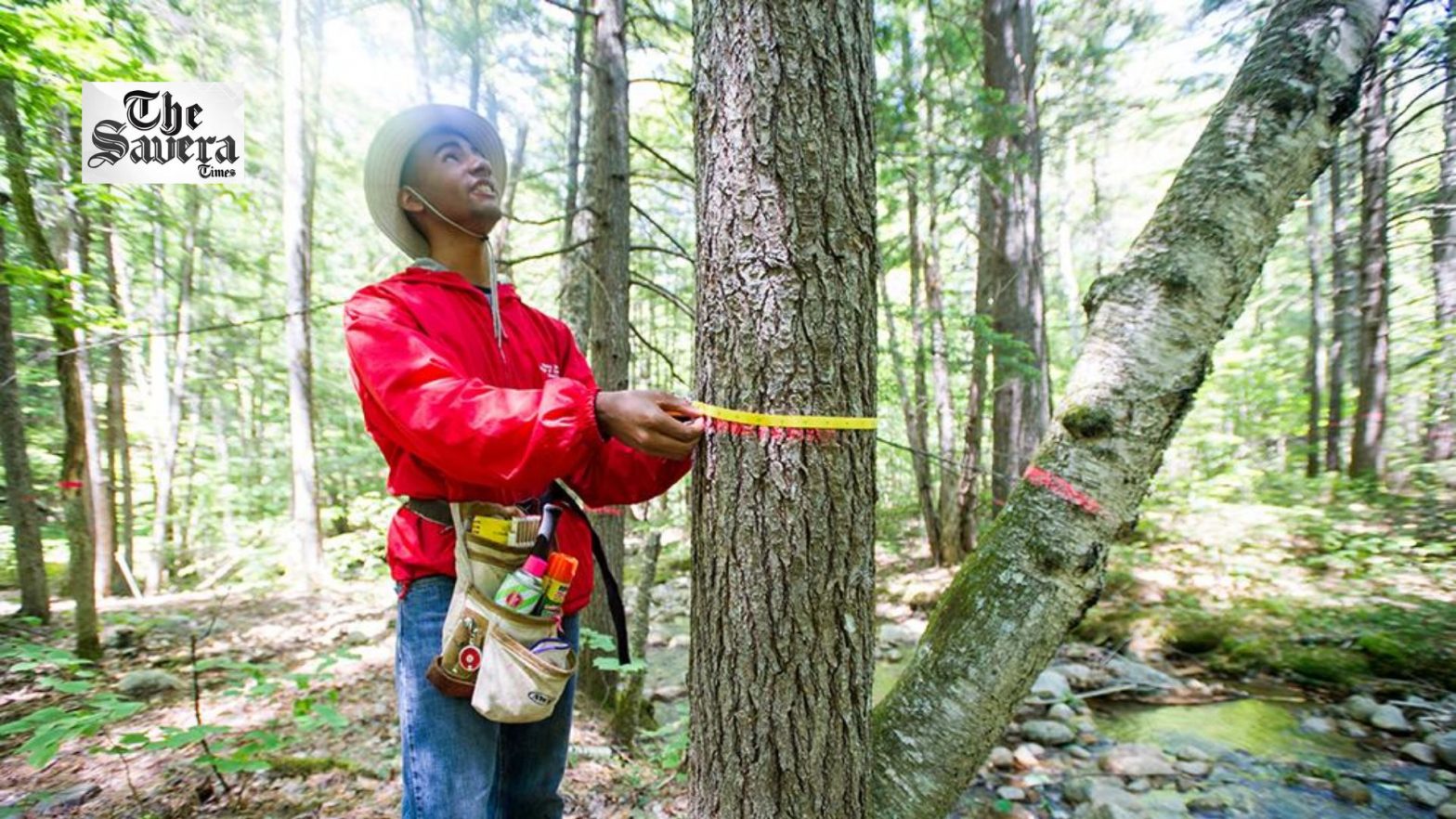
~Himanshu Nitnaware Trees across French forests have been dying prematurely over the past decade, signalling widespread climate-driven forest decline. , According to a new study by the Swiss Federal Institute for Forest, Snow and Landscape Research (WSL), published in Nature Communications, said there was a 1.5- to 4-fold increase in mortality rates among the nine.
Trees do not necessarily keep growing for as long as they keep photosynthesizing. This was what a new study published in Science Advances is trying to establish. Researchers found that oak trees continue absorbing carbon dioxide well after their annual growth has ended, suggesting forests may store less carbon in wood than many climate models.
~Abhishek Vij Last week, in his 135th episode of “Mann Ki Baat,” Prime Minister Narendra Modi spoke about the unprecedented climate change. He said that countries around the world are facing the resulting natural disasters, but the world lacks a coherent plan to control them. The Prime Minister’s statement is absolutely correct, as the world’s.
Human-driven climate change made the meteorological conditions behind the June 2026 western European heatwave up to 2.5°C warmer than they would have been during 1950 to 1987, exposing about 327 million people and nearly $15.6 trillion worth of economic activity to intensified heat, according to a new analysis, while governments across Asia and the Pacific.