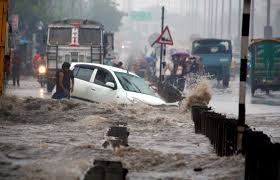
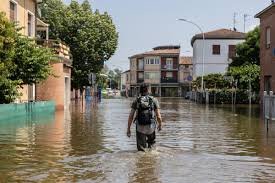
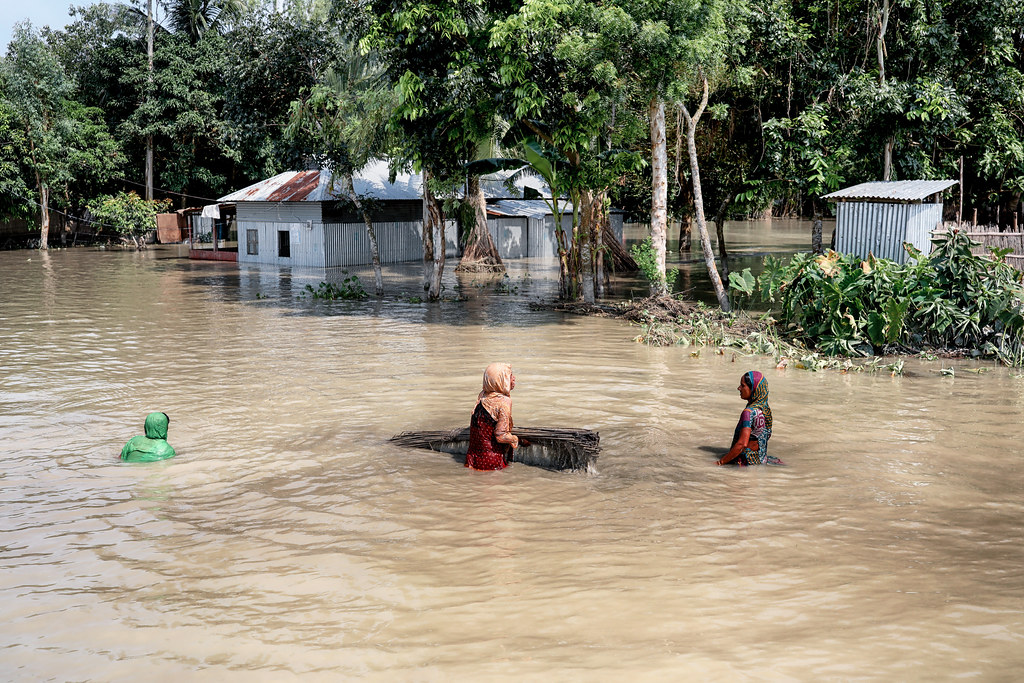
Climate change may lead to more precipitation and more intense floods. A new study shows that to understand the details of this relationship, it is important to distinguish between different types of rainfall and flood events — namely, between short-term events that occur on a time scale of hours, and longer-term events that last several.
The Himalayas, often referred to as the “Third Pole,” hold the largest reserve of ice outside the Arctic and Antarctic. Stretching across South Asia, these glaciers feed some of the world’s most important river systems, including the Indus, Ganga, and Brahmaputra. For nearly two billion people downstream, Himalayan glaciers are not just frozen masses of.
Across India, water is becoming unpredictable, scarce, and contested. From drying hand pumps in Bundelkhand to sinking water tables in Punjab and flash floods in Himalayan towns, the country’s water crisis is no longer seasonal — it is structural. Climate change has accelerated this transformation. Rainfall patterns are becoming erratic, with intense downpours replacing steady.
Climate change is no longer a distant environmental concern for India; it is a direct threat to food security. Rising temperatures, erratic rainfall, and extreme weather events are disrupting agricultural cycles, reducing crop yields, and deepening inequalities between regions and social groups. The impact is being felt not only by farmers but also by millions.
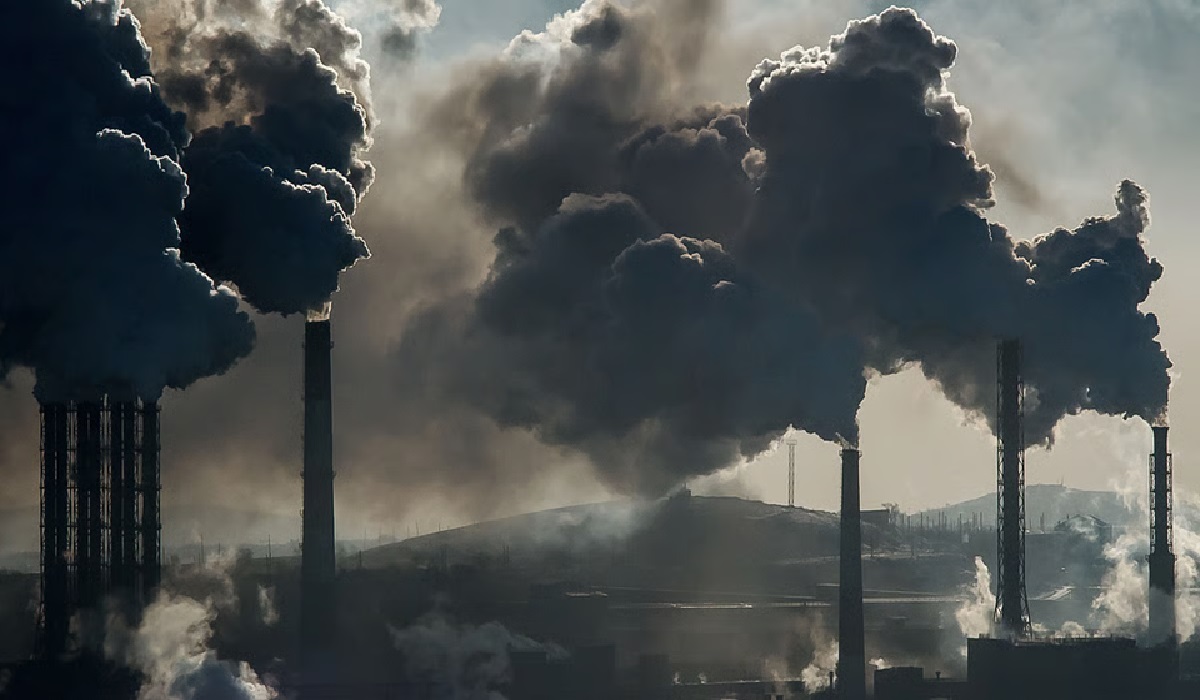
From the smog choked streets of Delhi to the industrial belts of Maharashtra and the coalfields of Jharkhand, millions breathe air that is several times more toxic than World Health Organization (WHO) safety limits.
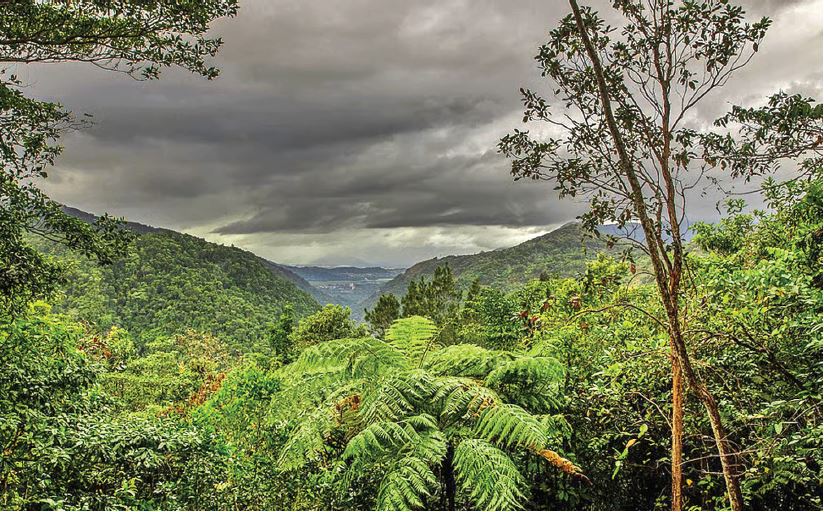
Forests in Australia’s tropical north have undergone a significant transformation, shifting from absorbing carbon to emitting it, according to a new study by scientists from the Australian National University. Published in the journal Nature, the research identifies this region as the first in the world where forests have moved from being a carbon sink to.