A comprehensive six-year data analysis (2021-2026) has revealed that ground-level ozone (O3) has expanded beyond isolated, short-lived spikes to become a widespread, yearround urban and regional problem in different regions of the country — and Delhi-NCR is emerging as the largest regional hotspot.
Paris: The night from Monday to Tuesday was the hottest recorded in France since national meteorological records began in 1947, with the national nighttime heat indicator, calculated from data at 30 meteorological stations across the country, reaching 21.6 degrees Celsius, Meteo-France said on Tuesday. Record heat and red alerts across France According to the meteorological.
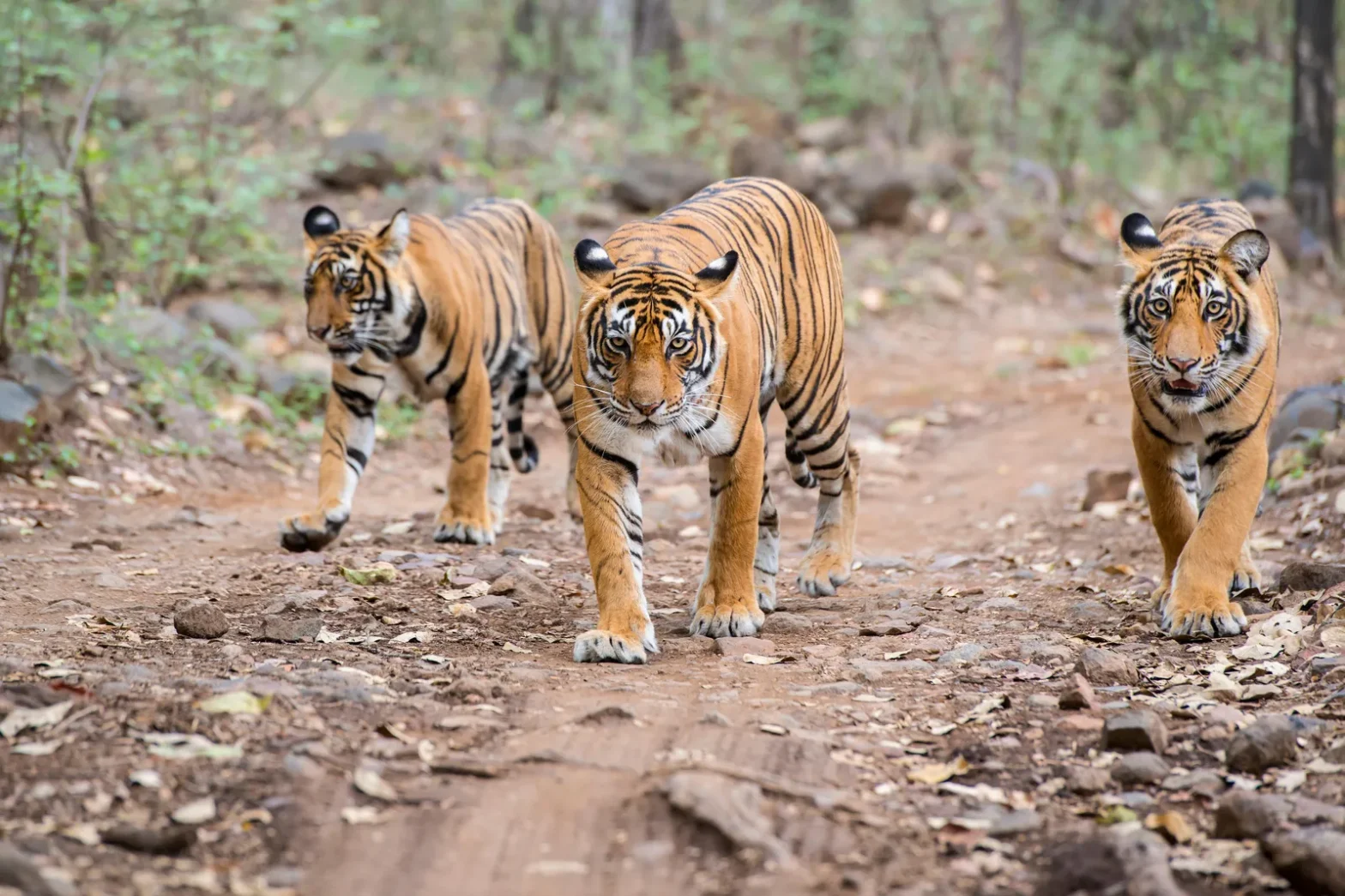
As India conducts its countrywide tiger estimation, its neighbour Bangladesh has plans to translocate tigers in the tribal-dominated Chittagong Hill Tracts in the near future. At present, there are no tigers in this rugged, hilly area. It is informed that the country has a roadmap for the conservation of this iconic species, which is now.
He added that climate-sensitive health systems are becoming increasingly important as the frequency and intensity of extreme weather events continue to rise
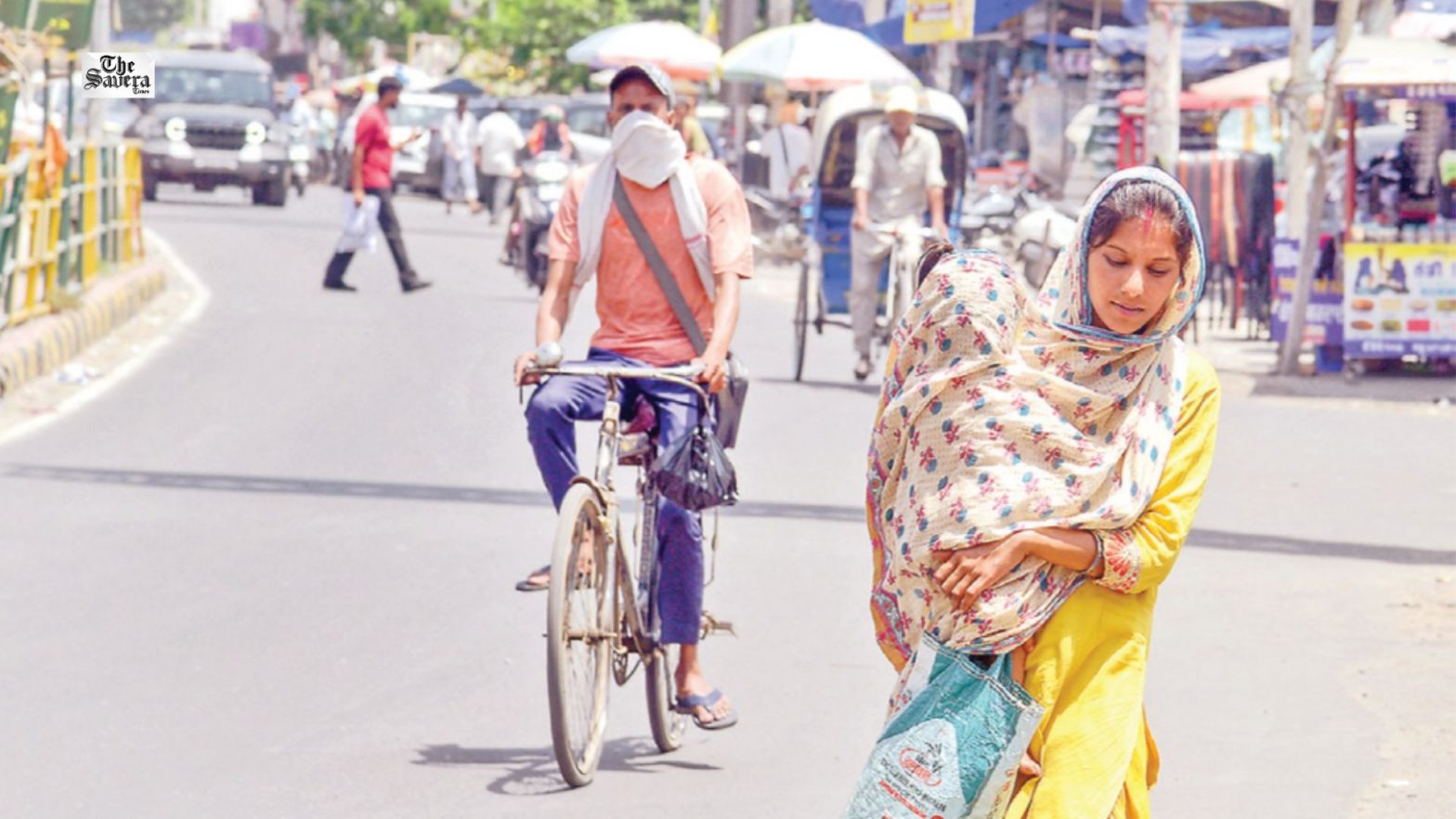
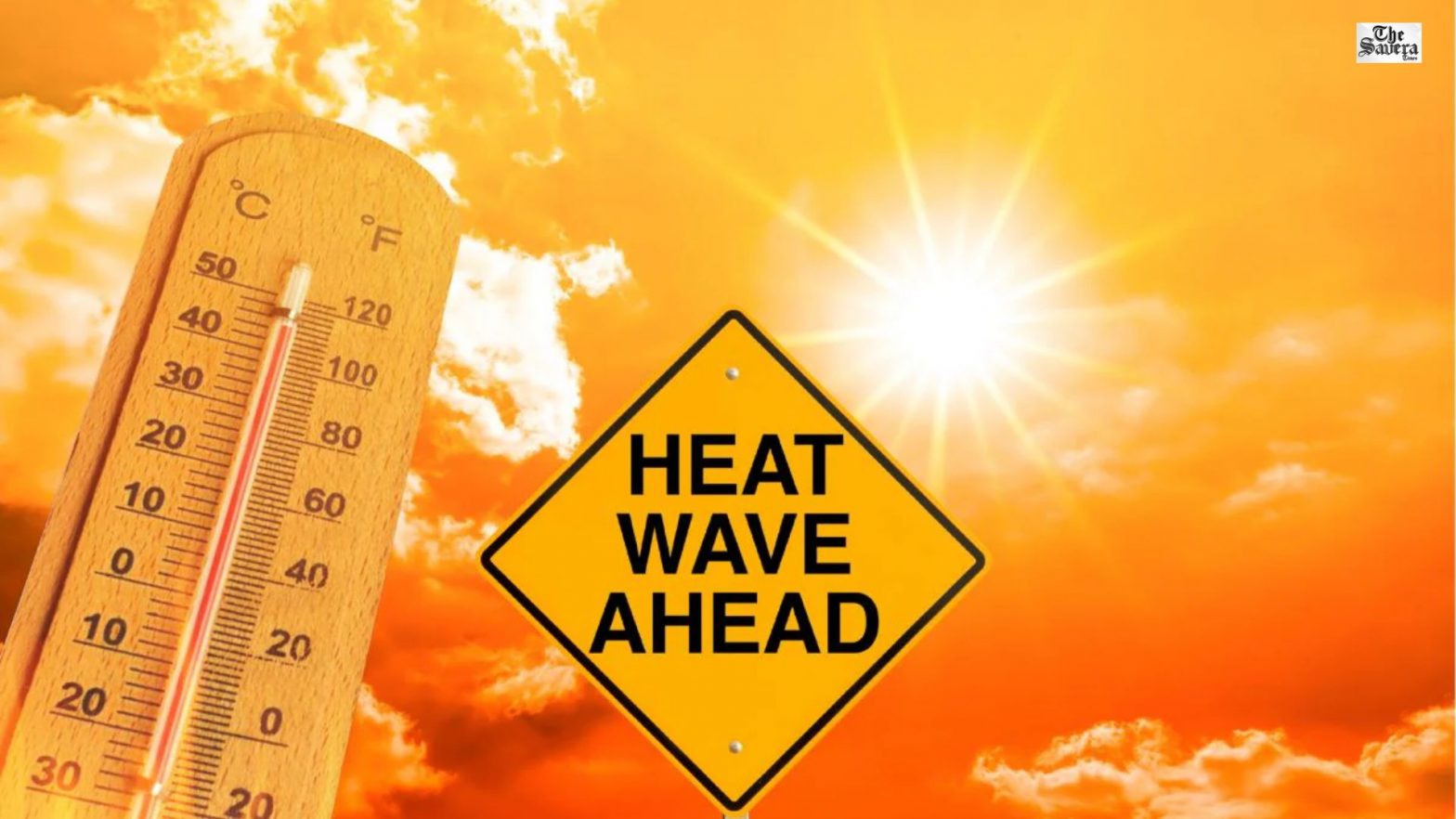
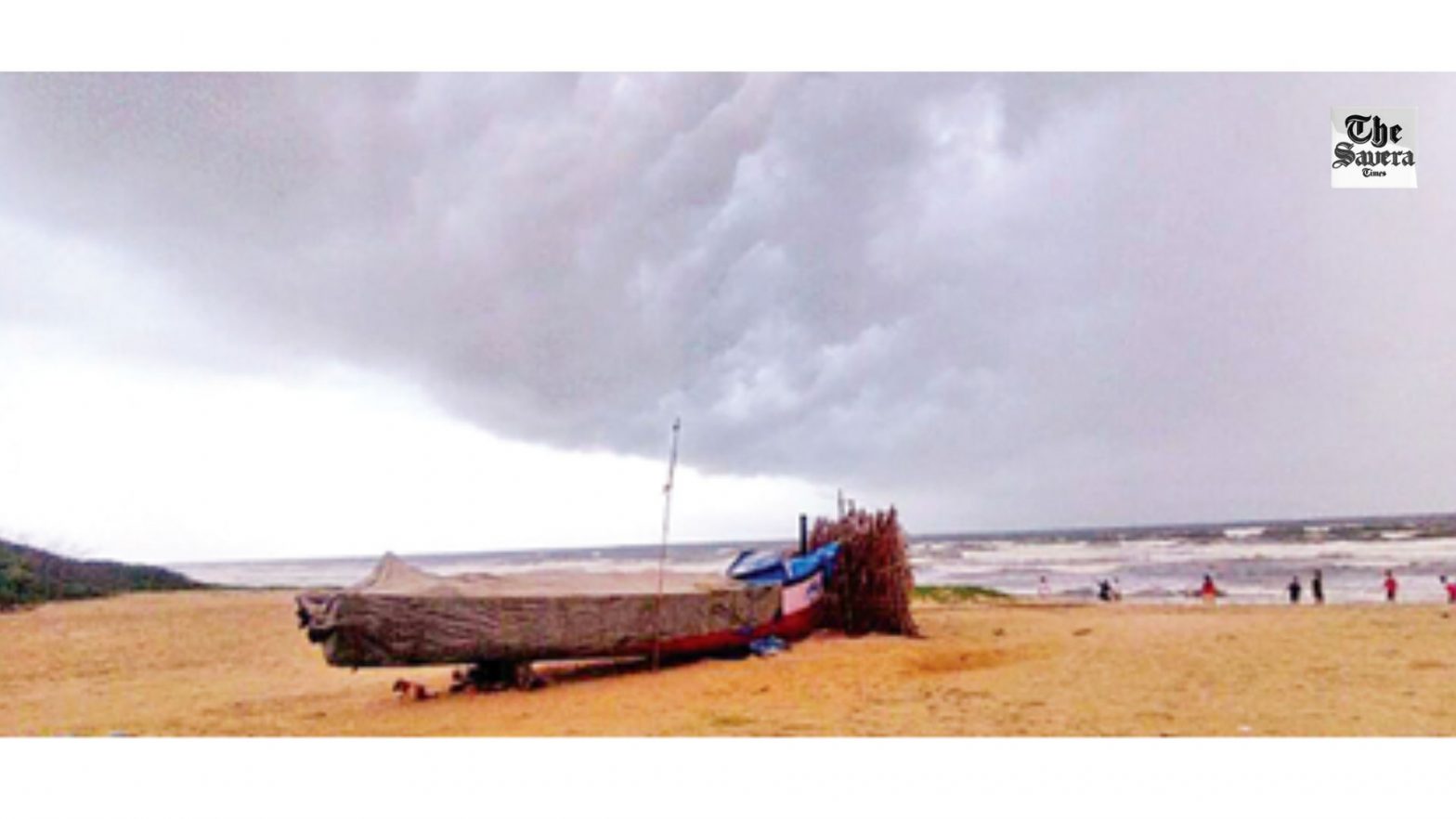
Monsoon rainfall over the country is likely to be 90 per cent long period average (LPA) this year, even lower than 92 per cent that the India Meteorological Department (IMD) had forecast in April, while the country is projected to see above-normal heat wave days, the weather department said on Friday in its fresh projections.
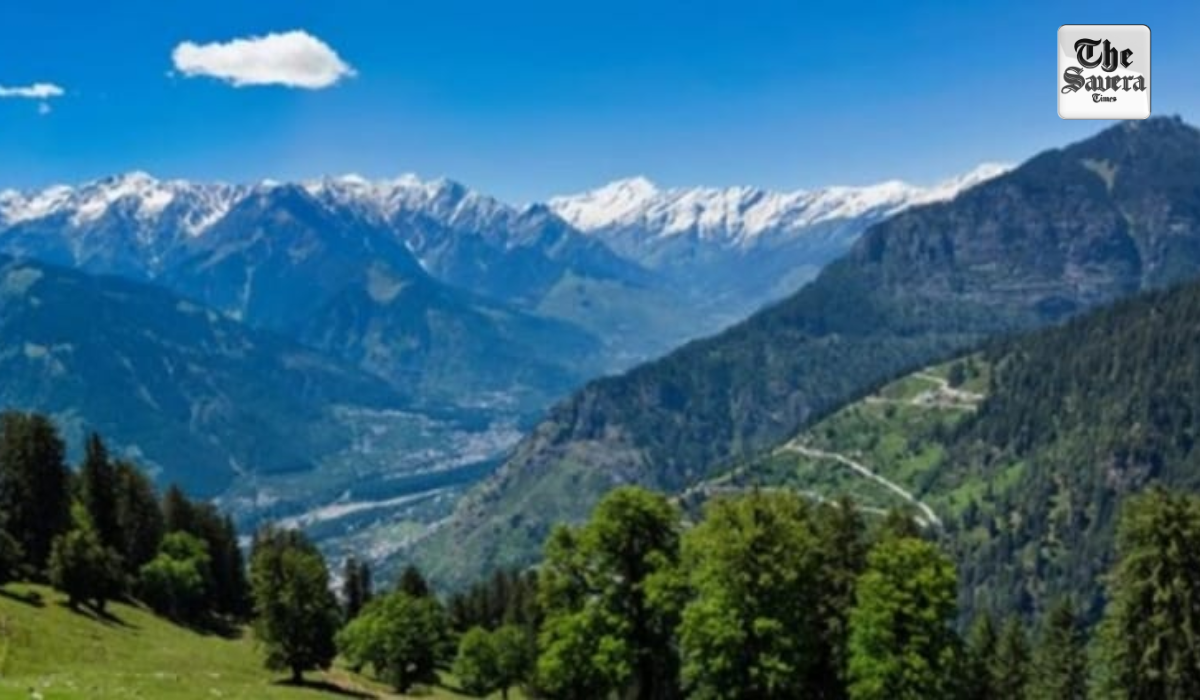
As a biotechnologist, I strongly believe that addressing the growing climate crisis in the hill stations of Himachal Pradesh requires a scientific, sustainable, and community based approach. Biotechnology can play a crucial role in restoring fragile mountain ecosystems, improving environmental resilience, and reducing the long-term impacts of climate change. First and foremost, largescale afforestation programs.
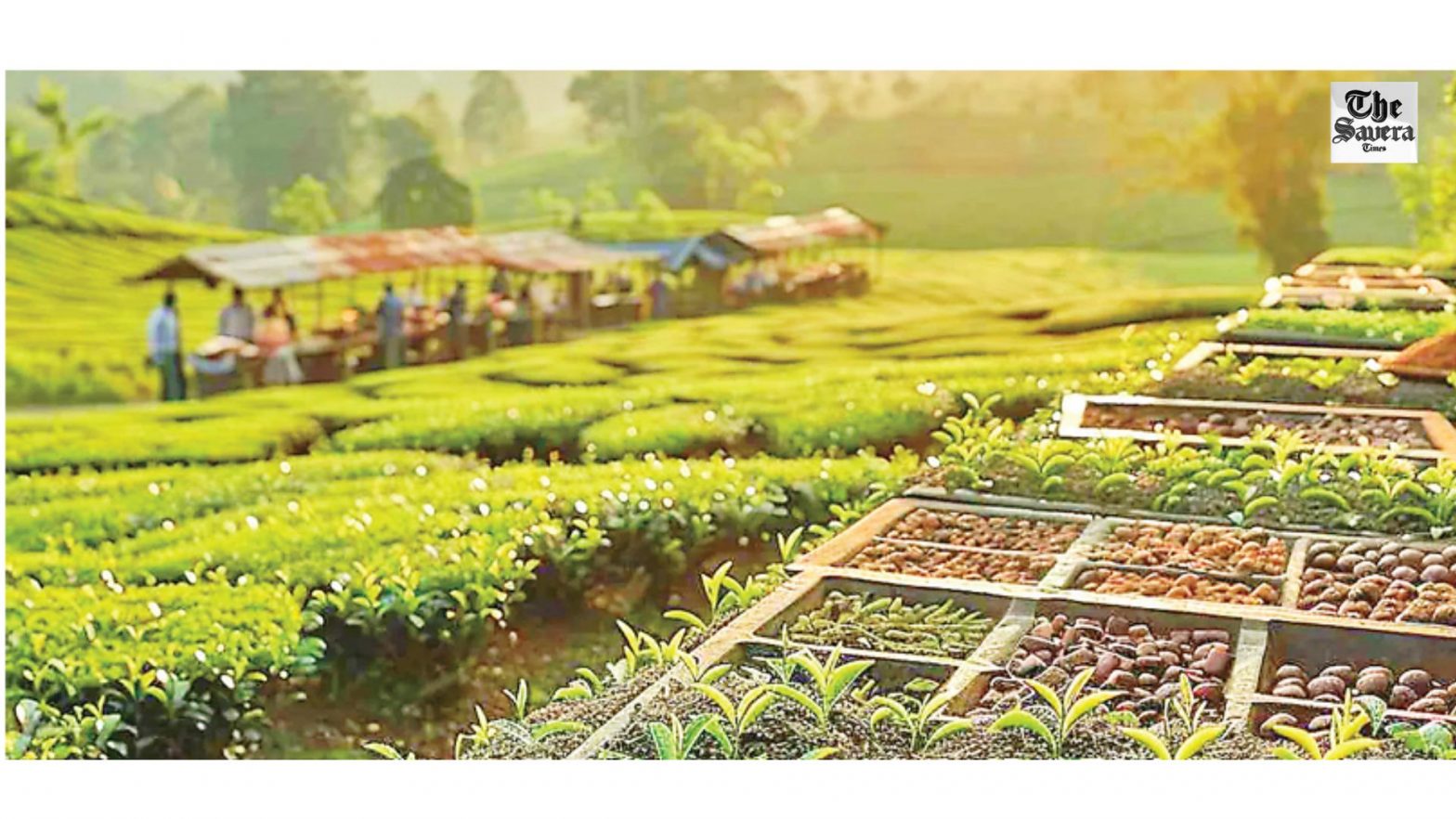
~KA Shaji Wayanad is the name of a place in Keralam, where mist once arrived with dependable rhythm and the monsoon rarely missed its cue, farming has entered an uneasy new phase. Rains now come late or all at once. Dry spells last longer. Crops that once followed predictable cycles behave differently. Both are women.
Unpredictable weather patterns are becoming increasingly c o m m o n across the world. Sudden heatwaves, unseasonal rainfall, thunderstorms, floods, droughts, and cold spells are affecting daily life, agriculture, public health, and the economy. These weather vagaries are largely linked to climate change, environmental degradation, and rapid urbanisation. In India too, people are witnessing.
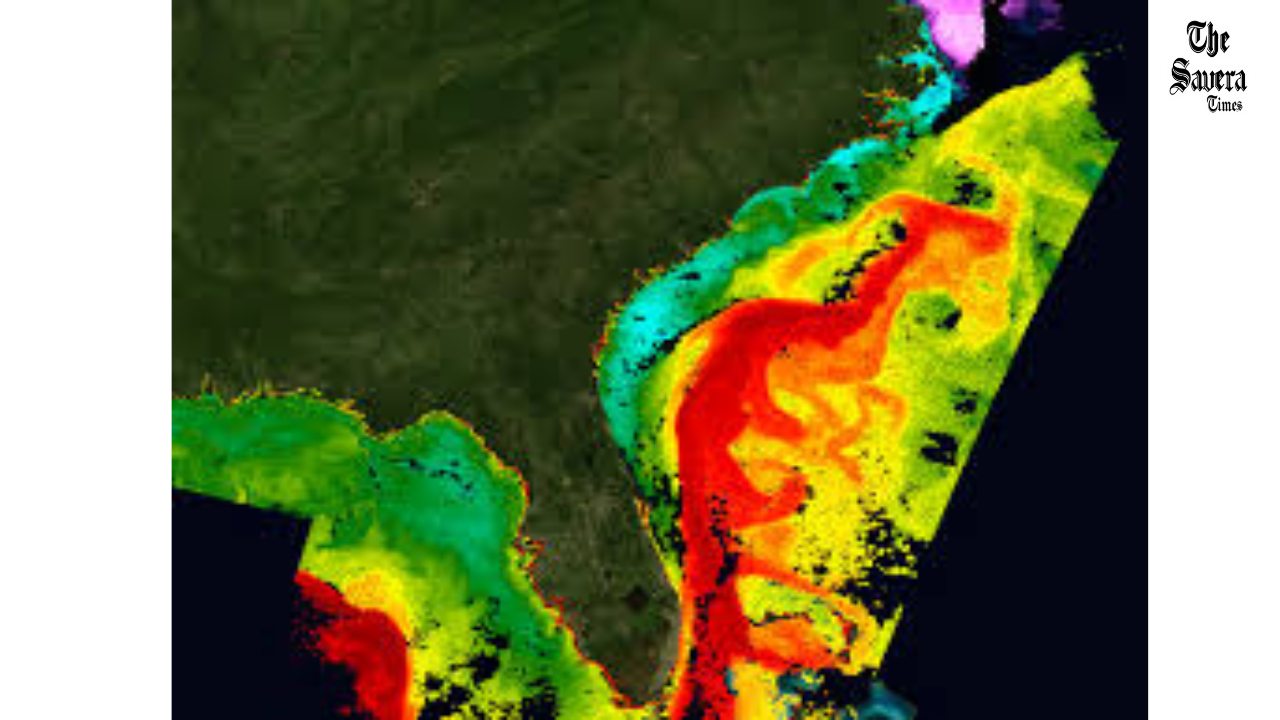
April 2026 witnessed the second-highest average global sea surface temperatures (SST) on record for all oceans outside the polar regions, according to the latest update from the European Centre for Medium-Range Weather Forecasts’ (ECMWF) Copernicus Climate Change Service (C3S).
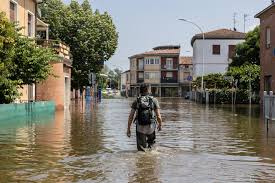
Climate change may lead to more precipitation and more intense floods. A new study shows that to understand the details of this relationship, it is important to distinguish between different types of rainfall and flood events — namely, between short-term events that occur on a time scale of hours, and longer-term events that last several.
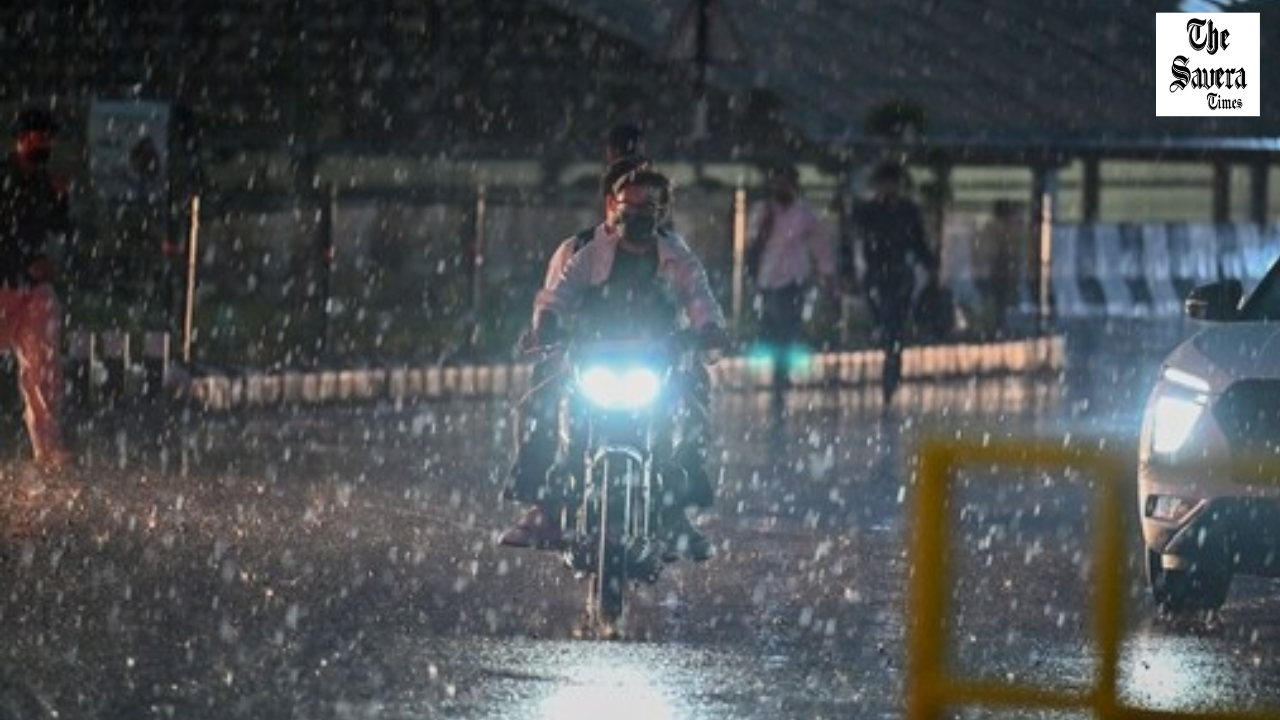
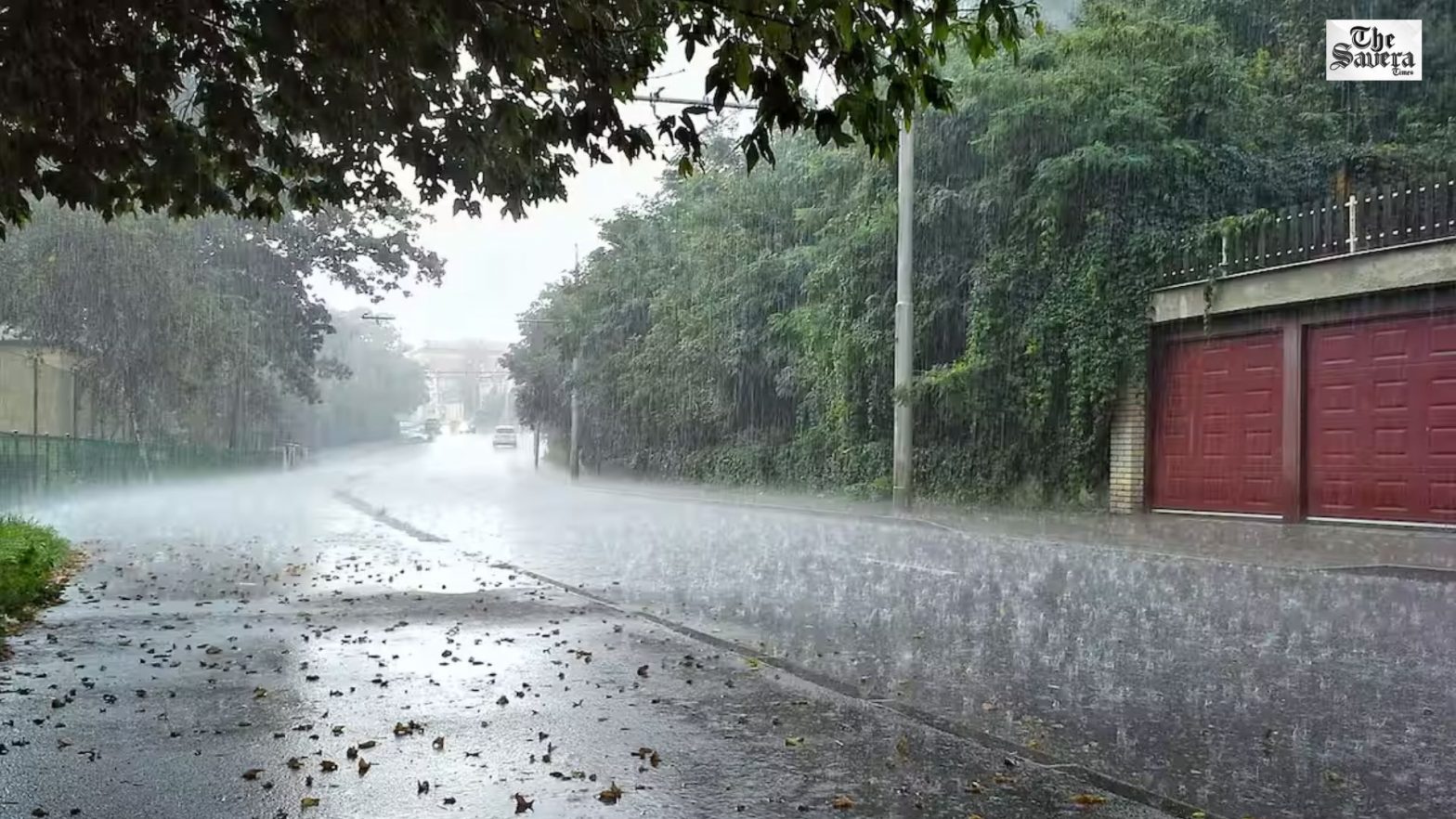
Jaipur, Rajasthan: A significant change in weather over the past few days brought much-needed relief from the heat across large parts of Rajasthan, as rain and hailstorms lashed several districts, lowering temperatures and providing respite from the ongoing warm conditions. This shift is attributed to an active western disturbance influencing weather patterns over the desert.