Finance Minister Nirmala Sitharaman has called for an early conclusion of the India-US Bilateral Trade Agreement. The proposed pact aims to improve market access, address trade barriers and create new opportunities for Indian exporters.
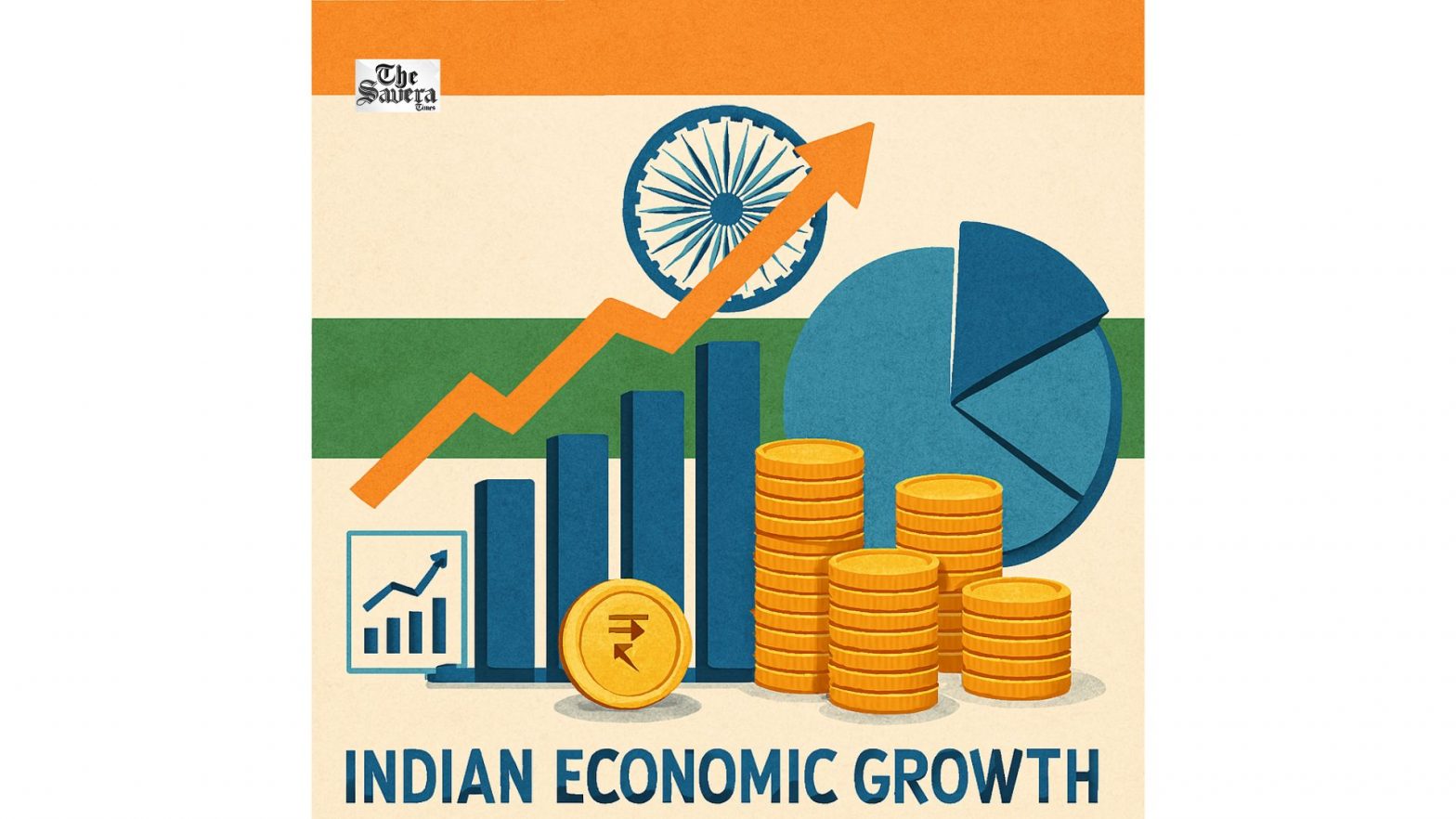
India has the strongest FY27 growth outlook in the WEF Chief Economists Outlook, with economists projecting 6.7% GDP growth amid resilient domestic demand.
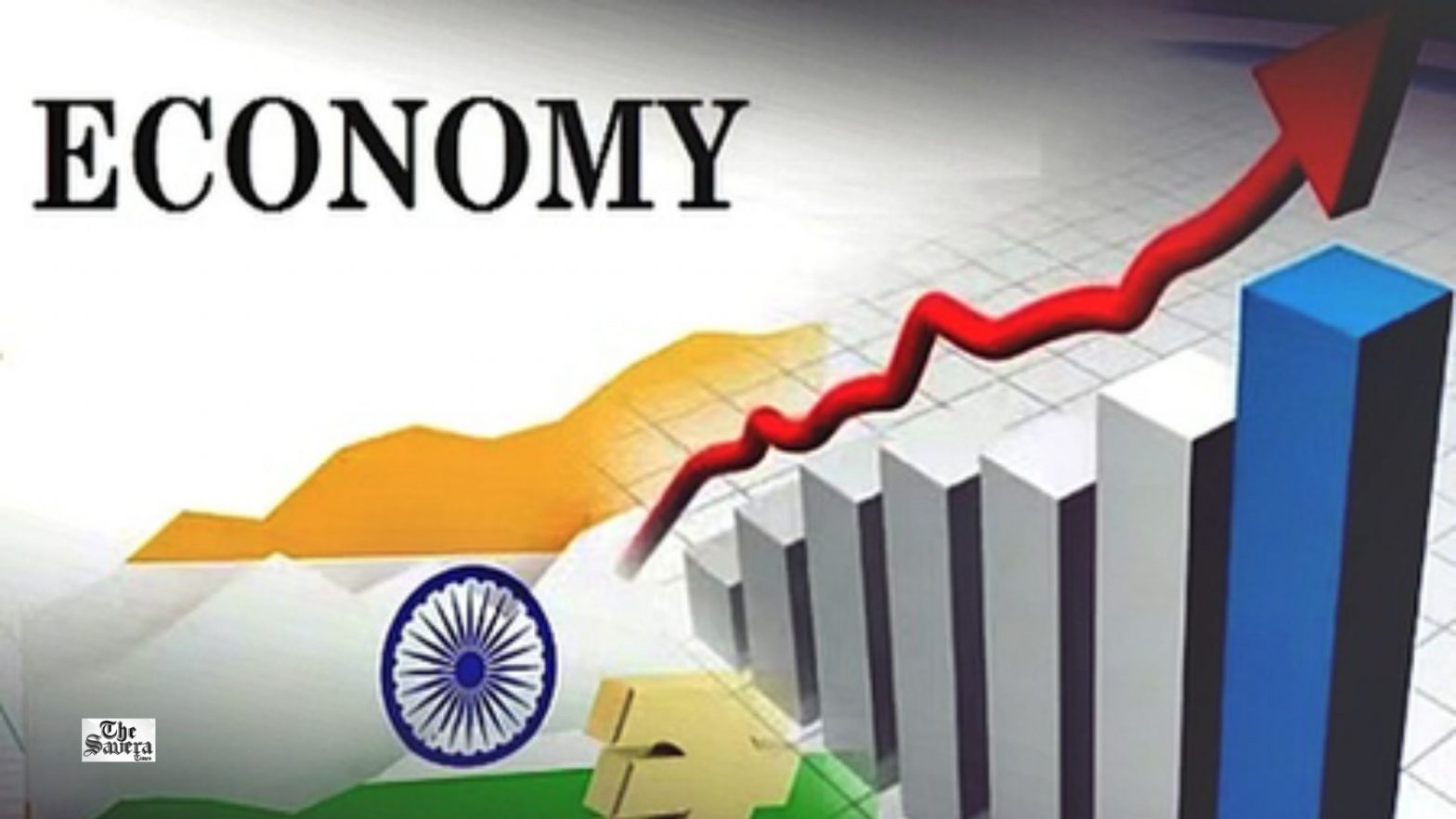
Recently, when India’s GDP and product growth figures were released, they surprised India’s opposition parties more than the world. The figures showed that India’s GDP growth rate in the first quarter of 2026-27 was 7.8 percent, compared to 6.9 percent in the first quarter of the previous year. Critics voiced strong opposition, supported by former.
India’s foreign exchange reserves surged $44.90 billion to a record $785.71 billion in the week ended September 4, with foreign currency assets driving the increase.
India wants to become a developed economy. It wants more factories, more investment, more jobs and the infrastructure to support them. But while we speak about building a $5 trillion economy and becoming a global manufacturing hub, another question deserves attention: Are we creating enough institutions that build, produce and create wealth? The figures in.
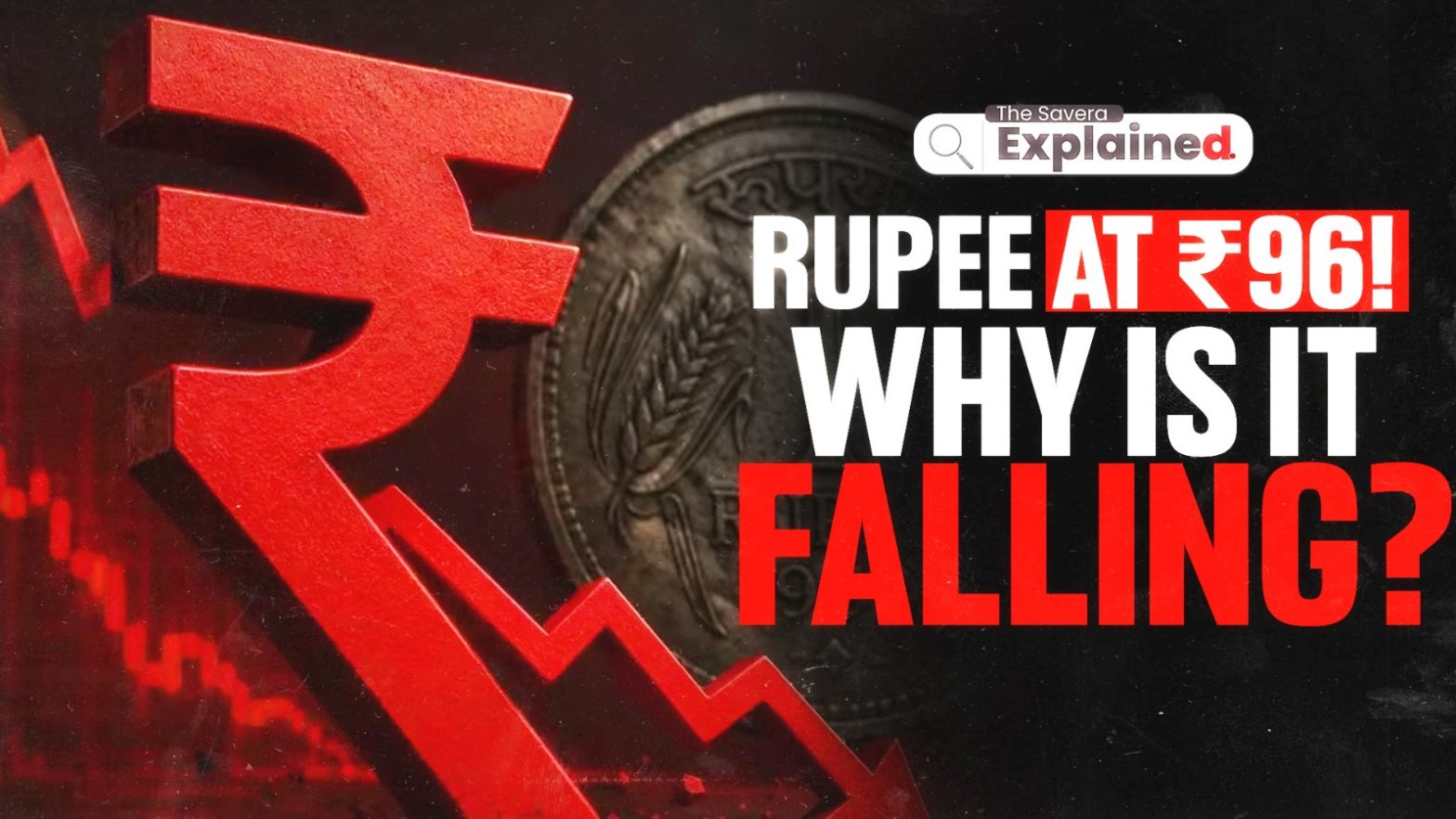
A rupee nearing Rs 96 against the US dollar is more than just a market number. For an Indian family planning a foreign holiday, paying a child’s college fees abroad or buying imported products, every fall in the rupee can mean spending more money. To understand it simply: when $1 costs Rs 83, buying $5,000.
Nifty companies reported 18% year-on-year profit growth in Q1 FY27, marking a 10-quarter high, while mid- and small-cap earnings also posted strong gains.
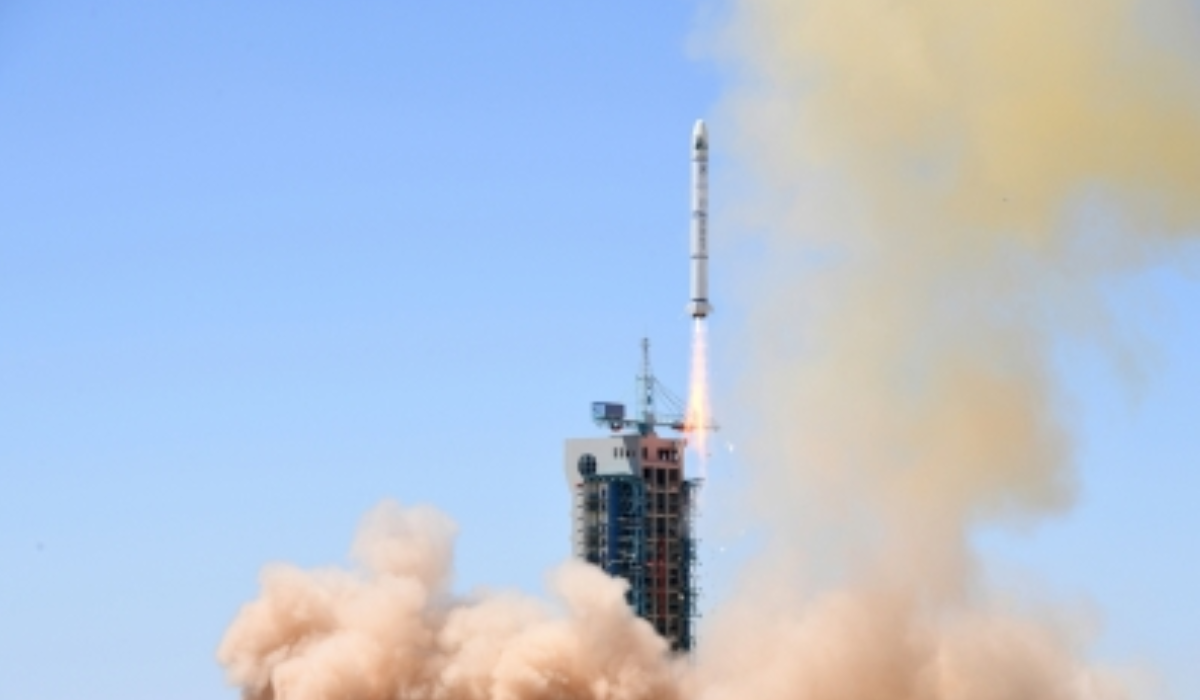
New Delhi: India’s space ecosystem valued at $9 billion has expanded rapidly and is projected to reach $40–45 billion over the next decade, an official factsheet said on Friday. The registered space start‑ups rose from one in 2014 to about 440 by August 2026. Private investment in the sector surged nearly six‑fold from $100.5 million.
SBI Research has projected India's Q1 FY27 GDP growth at 7%, citing improved macroeconomic conditions, easing inflation concerns, strong monsoon progress and resilient economic fundamentals.