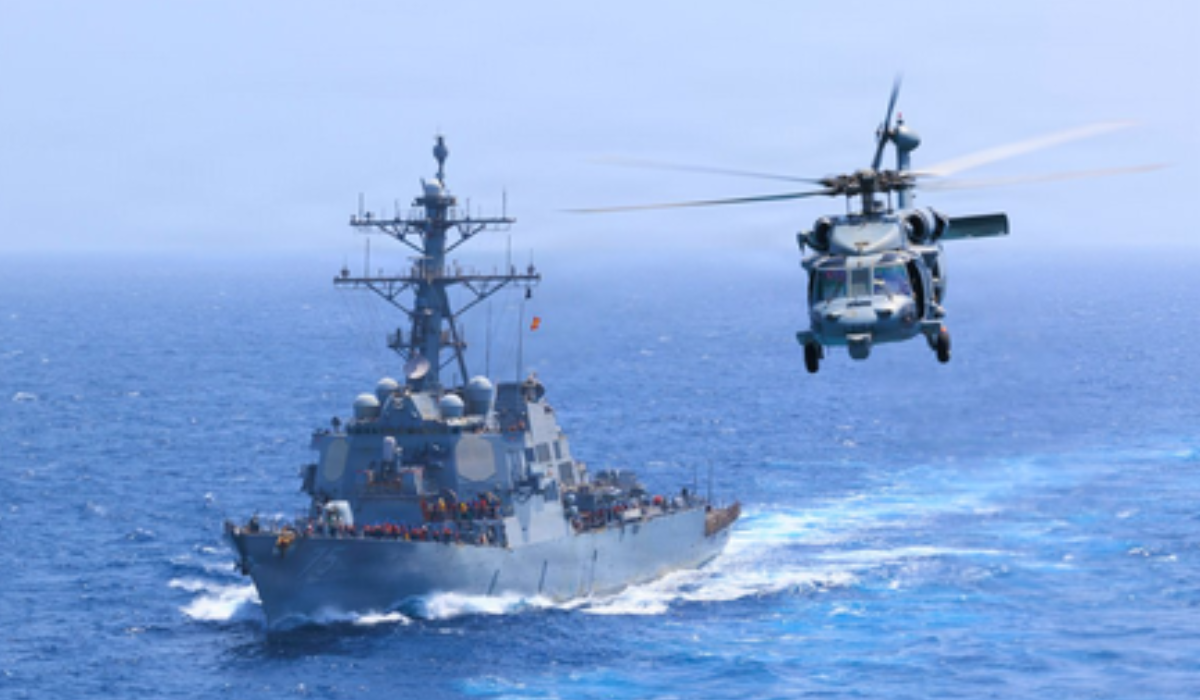
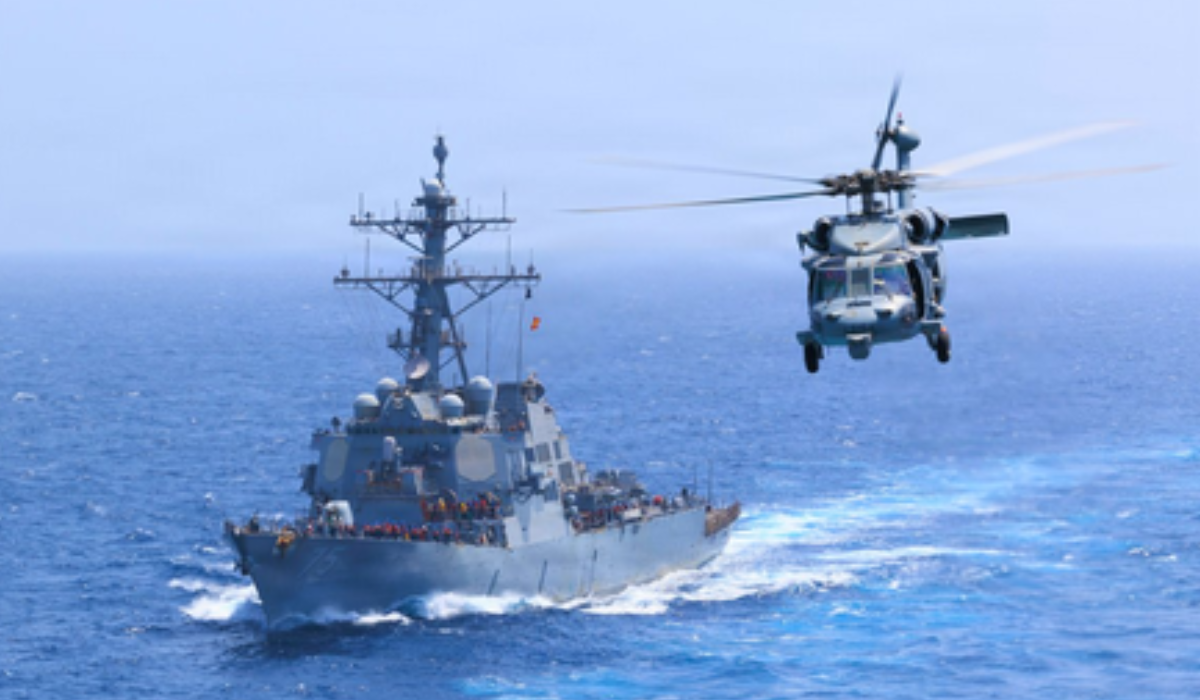
The order of events is the argument. On 28 February, the United States and Israel struck Iran, and Iran's retaliation closed the Strait of Hormuz to most commercial shipping.
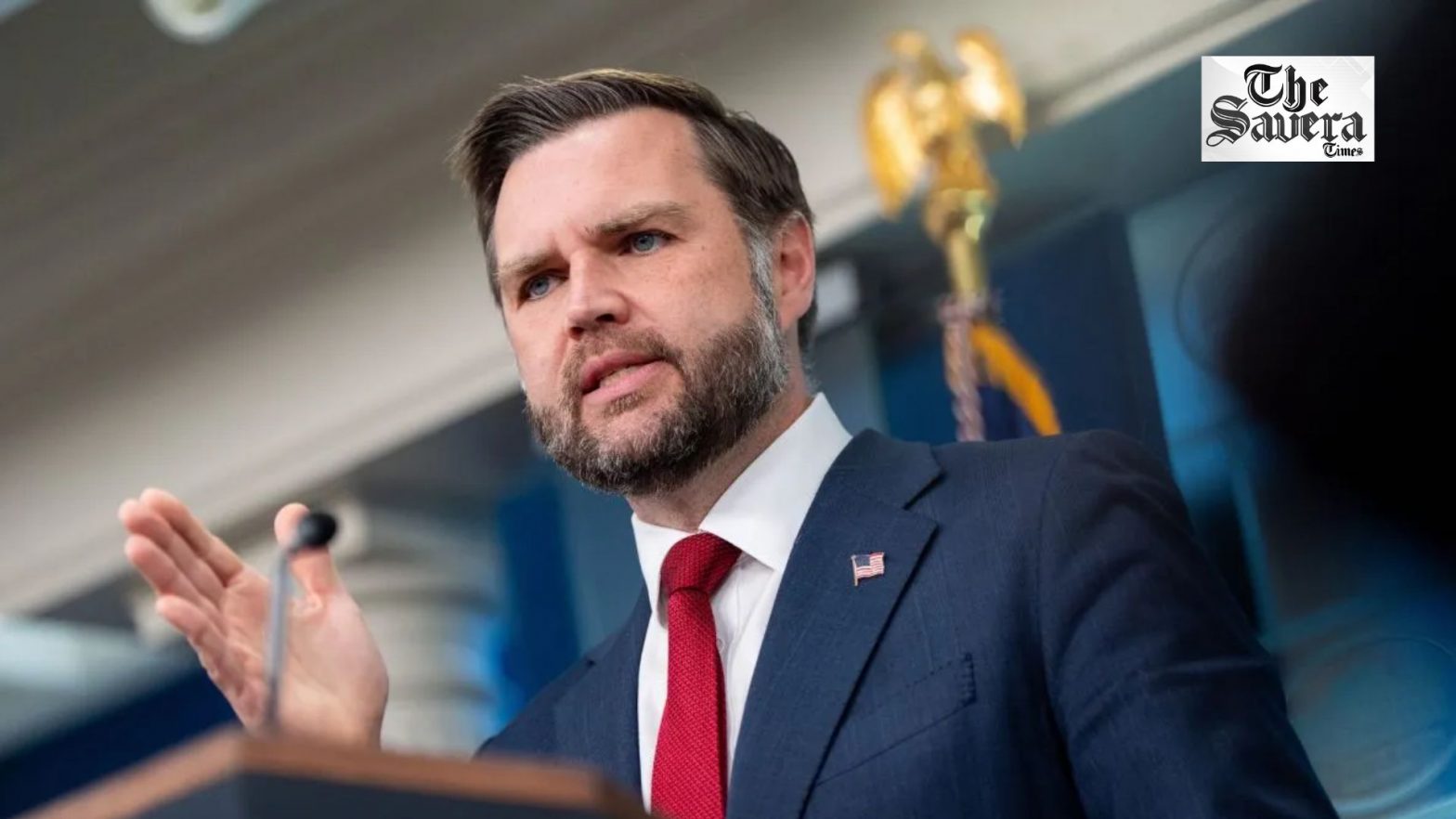
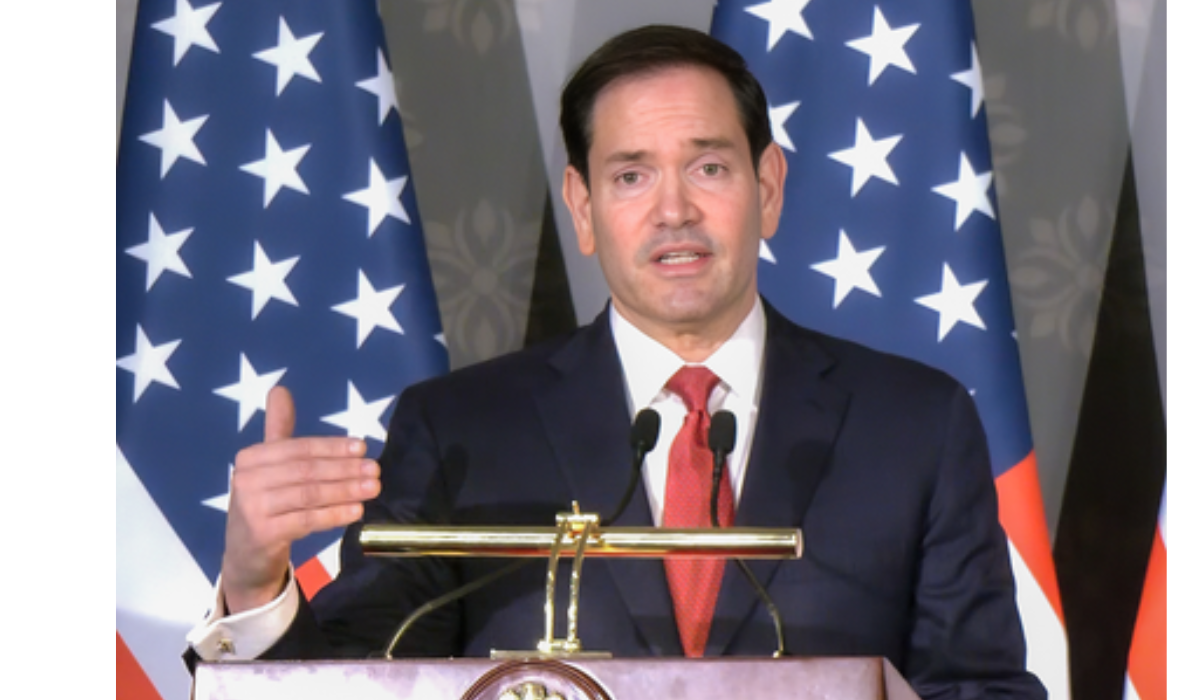
US Secretary of State Marco Rubio has warned that countries helping Iran evade American sanctions could themselves face penalties, while dismissing suggestions that India and Iran were preparing a trade agreement
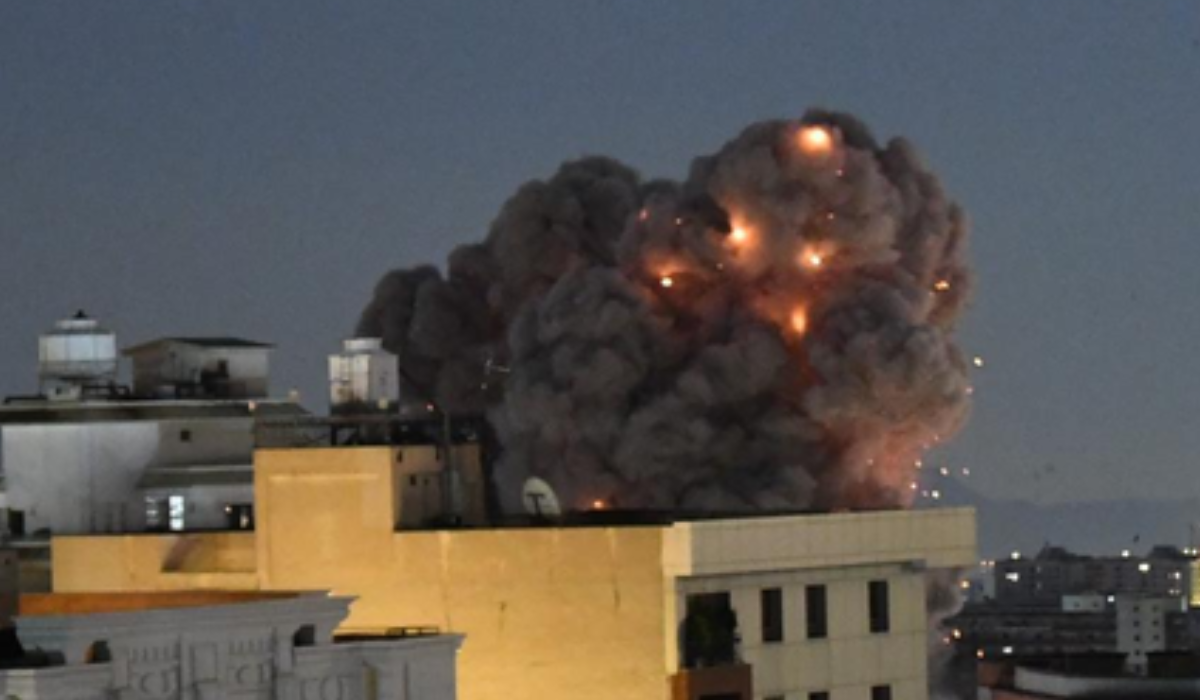
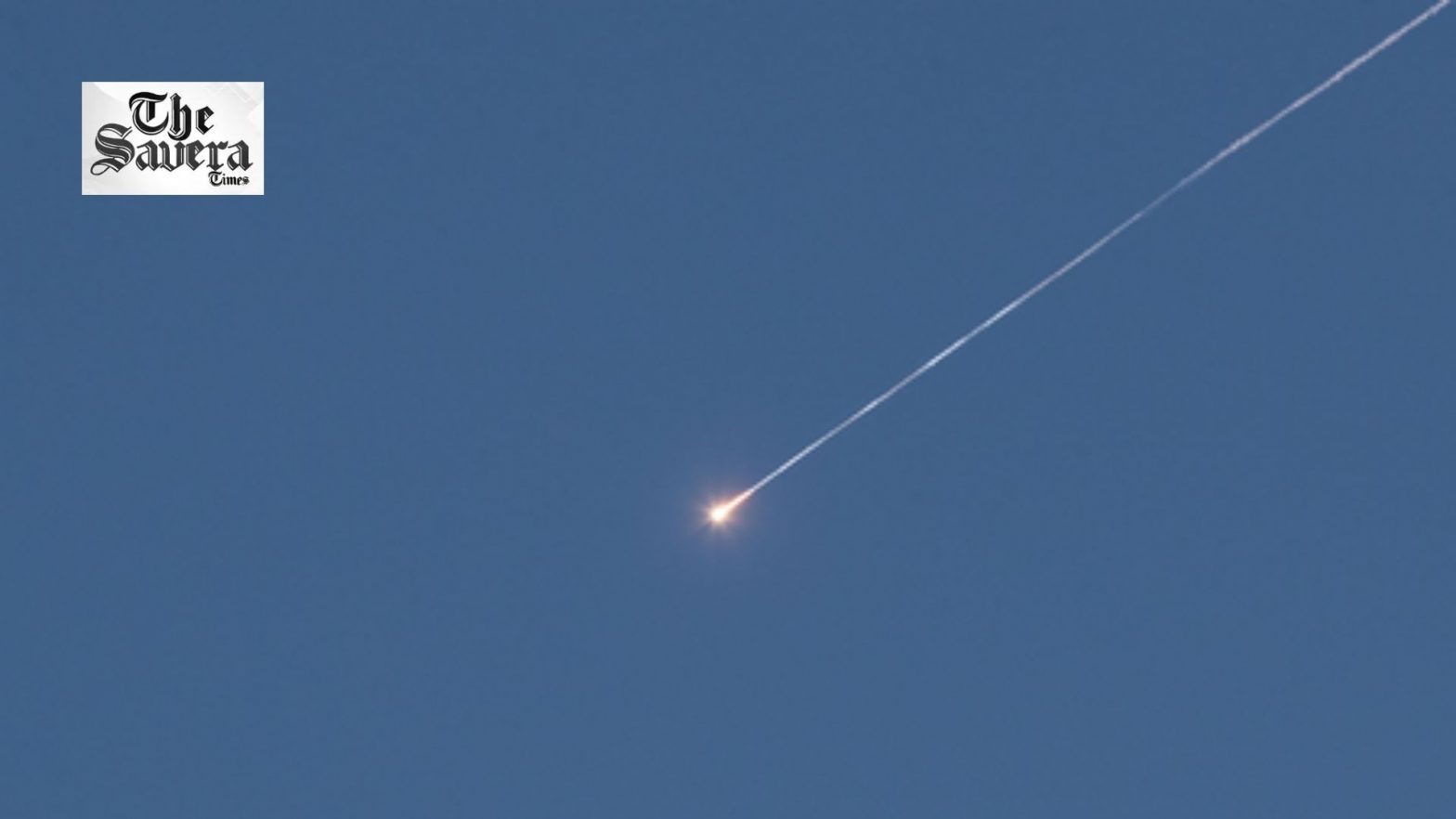
Seven people were killed, and eight others injured after a missile strike by the United States targeted three locations in Iran's Khuzestan province, according to Iran's state-run IRNA news agency.
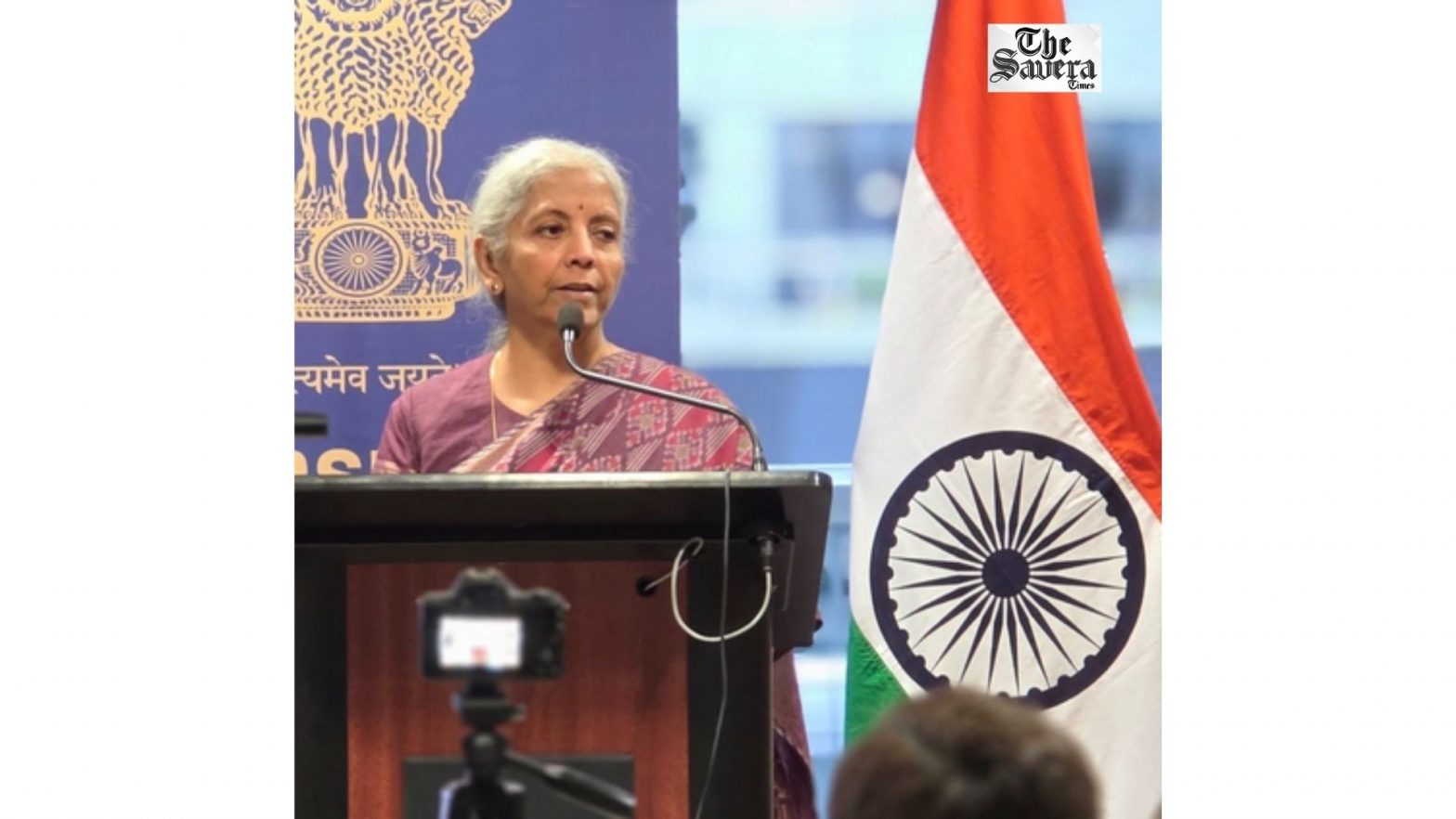
Iran, trade tensions and energy security are set to be key concerns for India as Nirmala Sitharaman attends the G20 Finance Ministers meeting in Asheville.
Tehran: Iran’s Islamic Revolutionary Guard Corps (IRGC) said on Monday that it launched a combined missile and drone attack on US air bases in Jordan, describing the strike as retaliation for the US-Israeli aerial attack on Iran’s Larak Island. According to Iran’s Fars news agency, citing an IRGC statement, Iranian forces targeted “technical and maintenance.
The US has imposed sanctions on four Indian companies for their alleged role in the trade of petroleum and petrochemical products linked to Iran. This action is part of US policy to increase pressure on Iran's oil revenue.
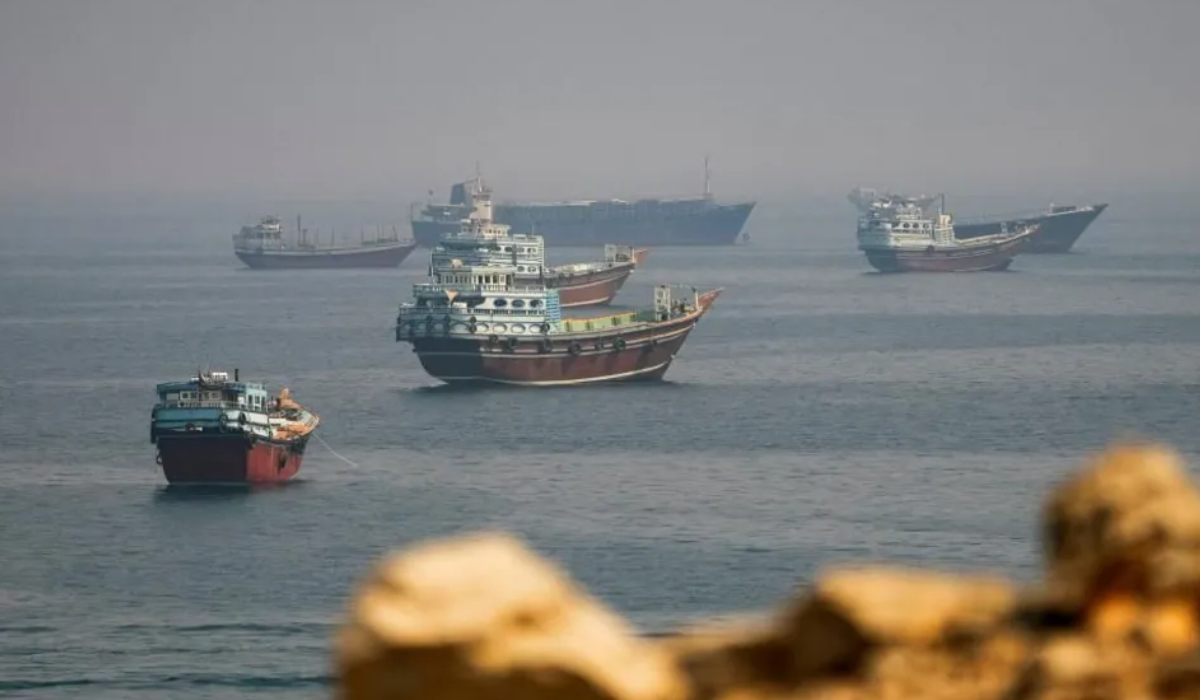
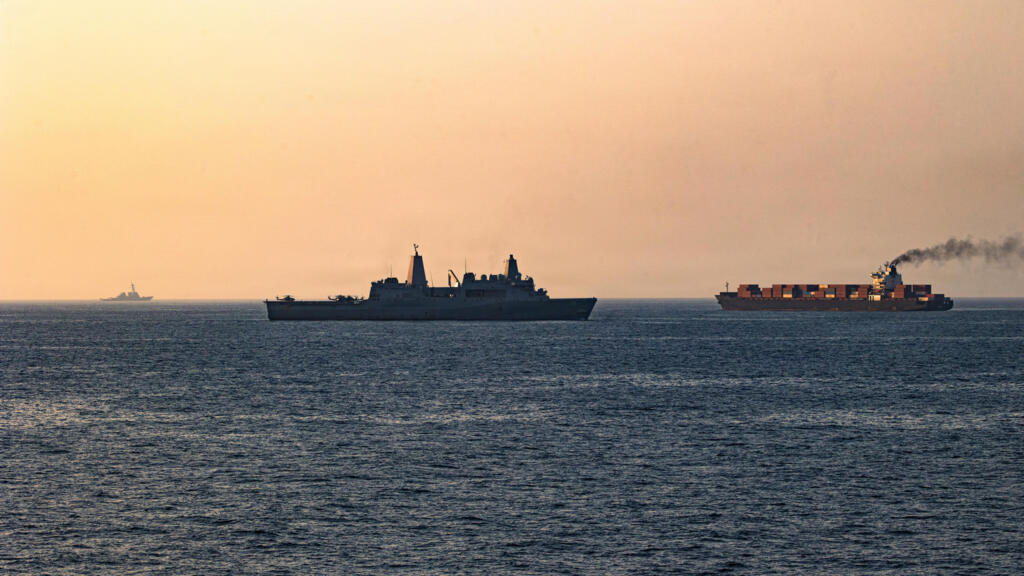
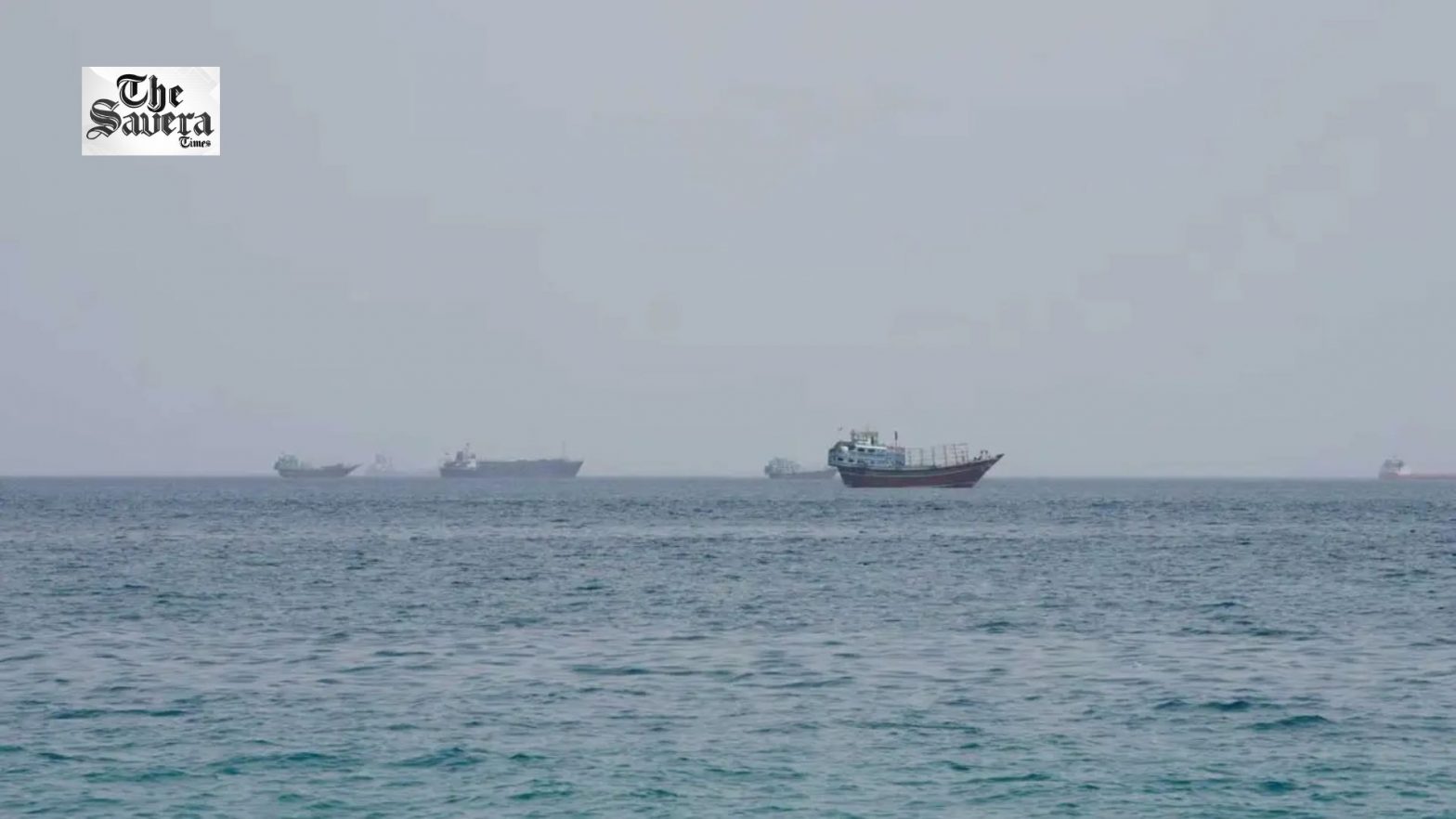
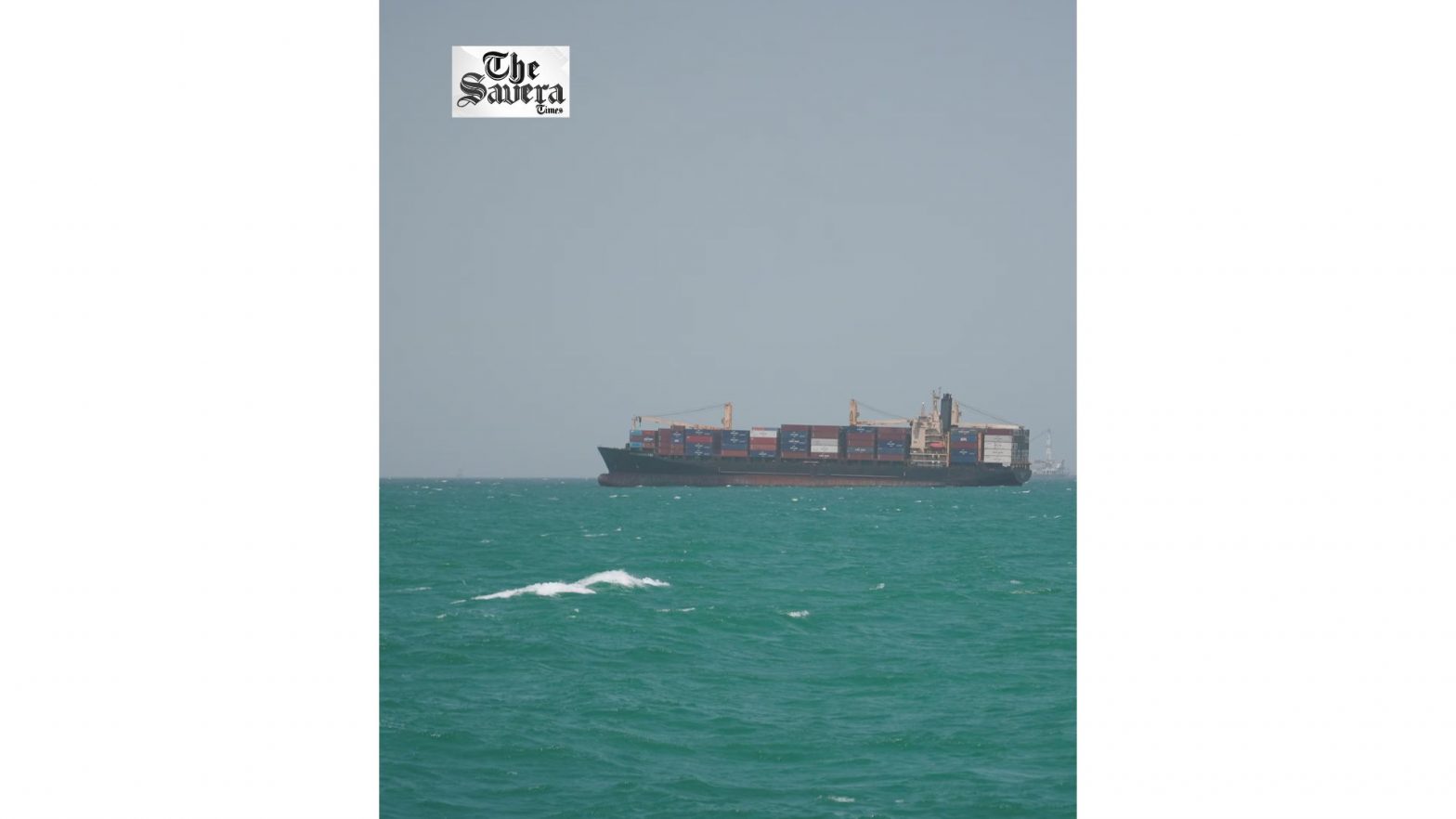
Iran has warned vessels violating its Strait of Hormuz protocols of fines, detention or confiscation, while authorised vessels will be required to pay service fees to Tehran.
-Abhishek Vij Since the war broke out between the US, Israel, and Iran, the Strait of Hormuz has become a focal point. The supply of oil and gas from the Gulf to most countries around the world through the Strait of Hormuz has been disrupted. This has led to a surge in global crude oil.
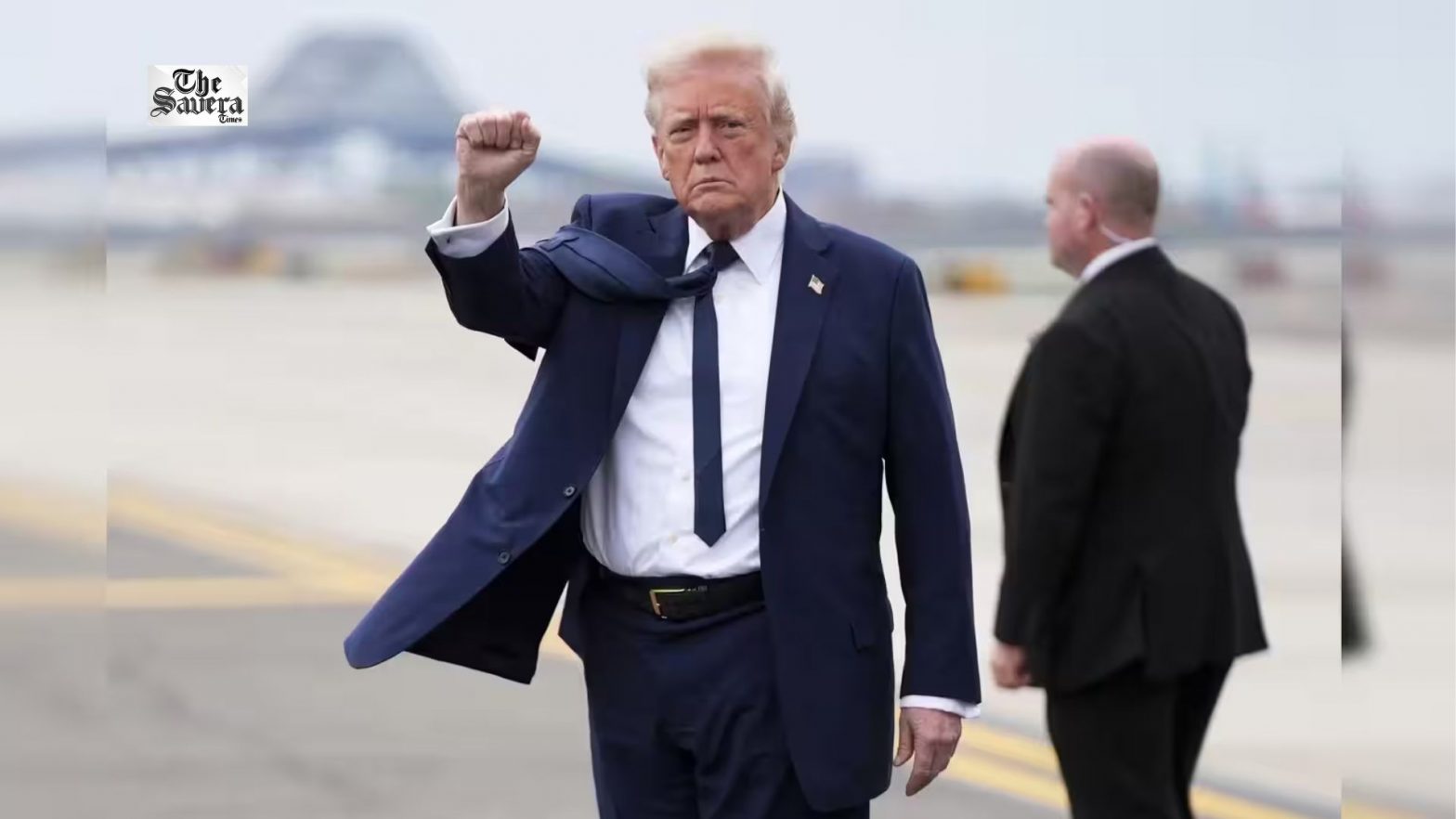
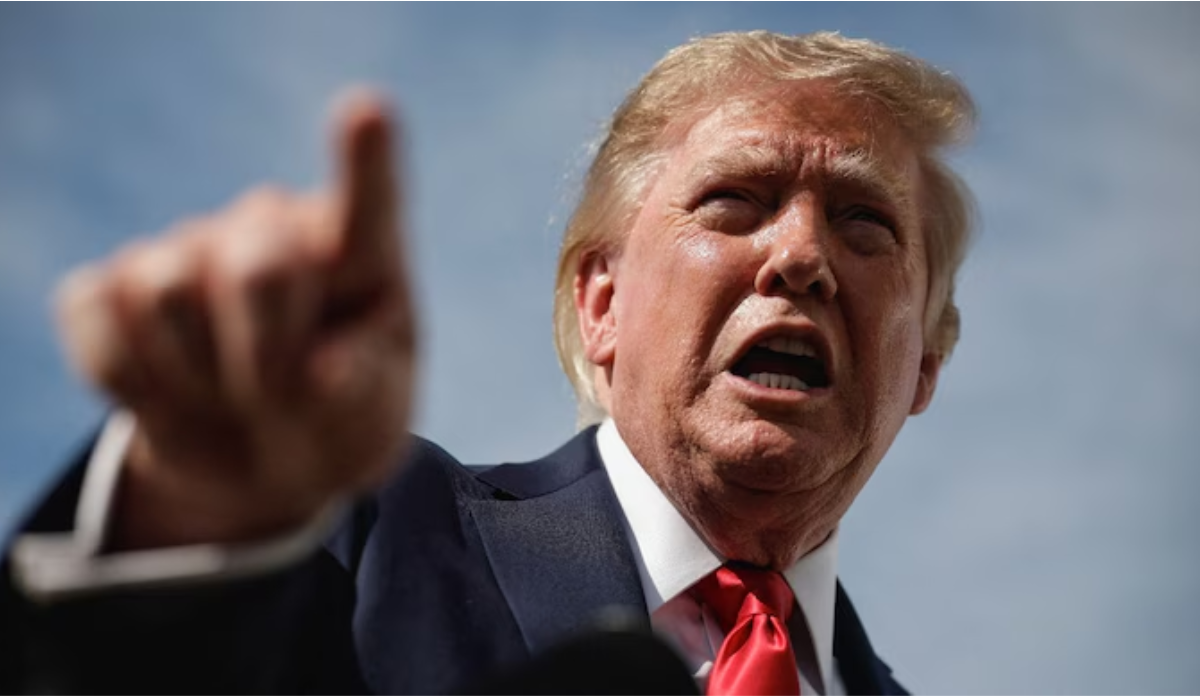
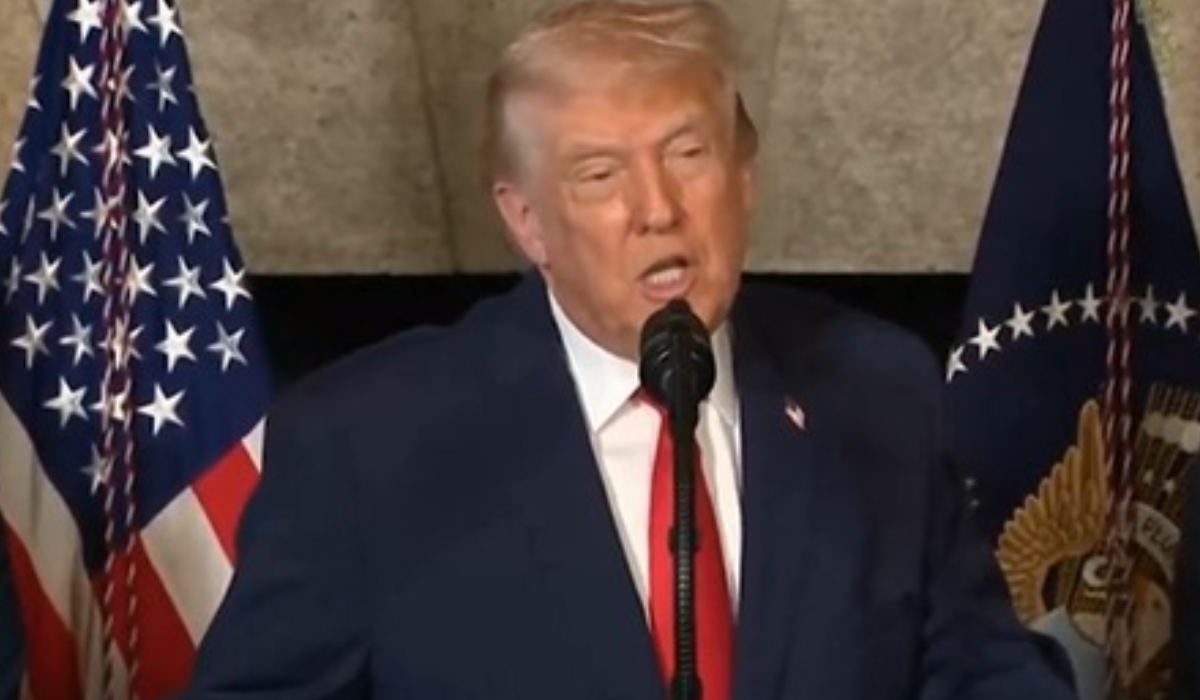
US President Donald Trump has said the United States is “essentially controlling” strategic waterways linked to Iran and will soon take full control, while insisting Tehran will never be allowed to acquire a nuclear weapon.