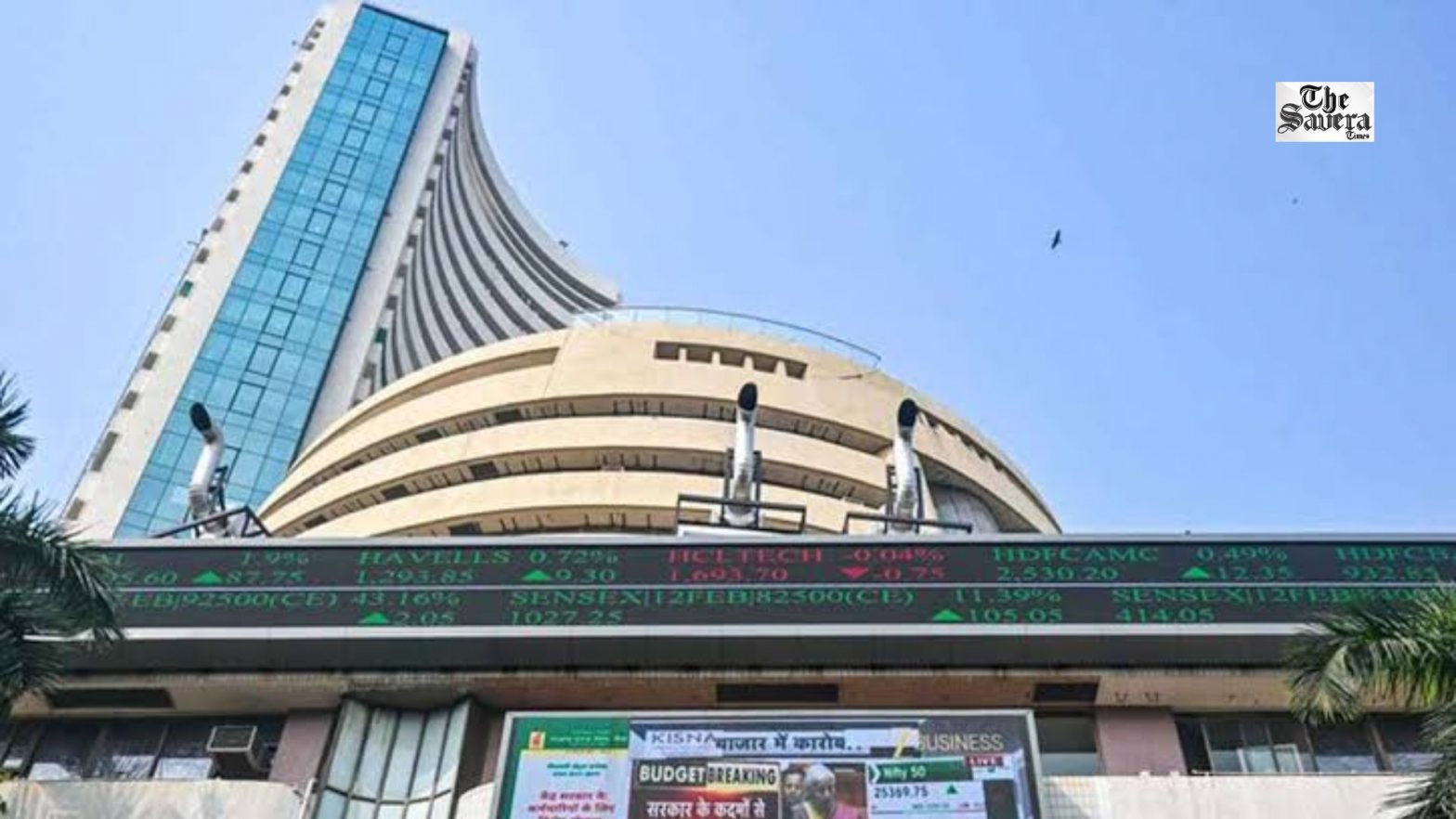
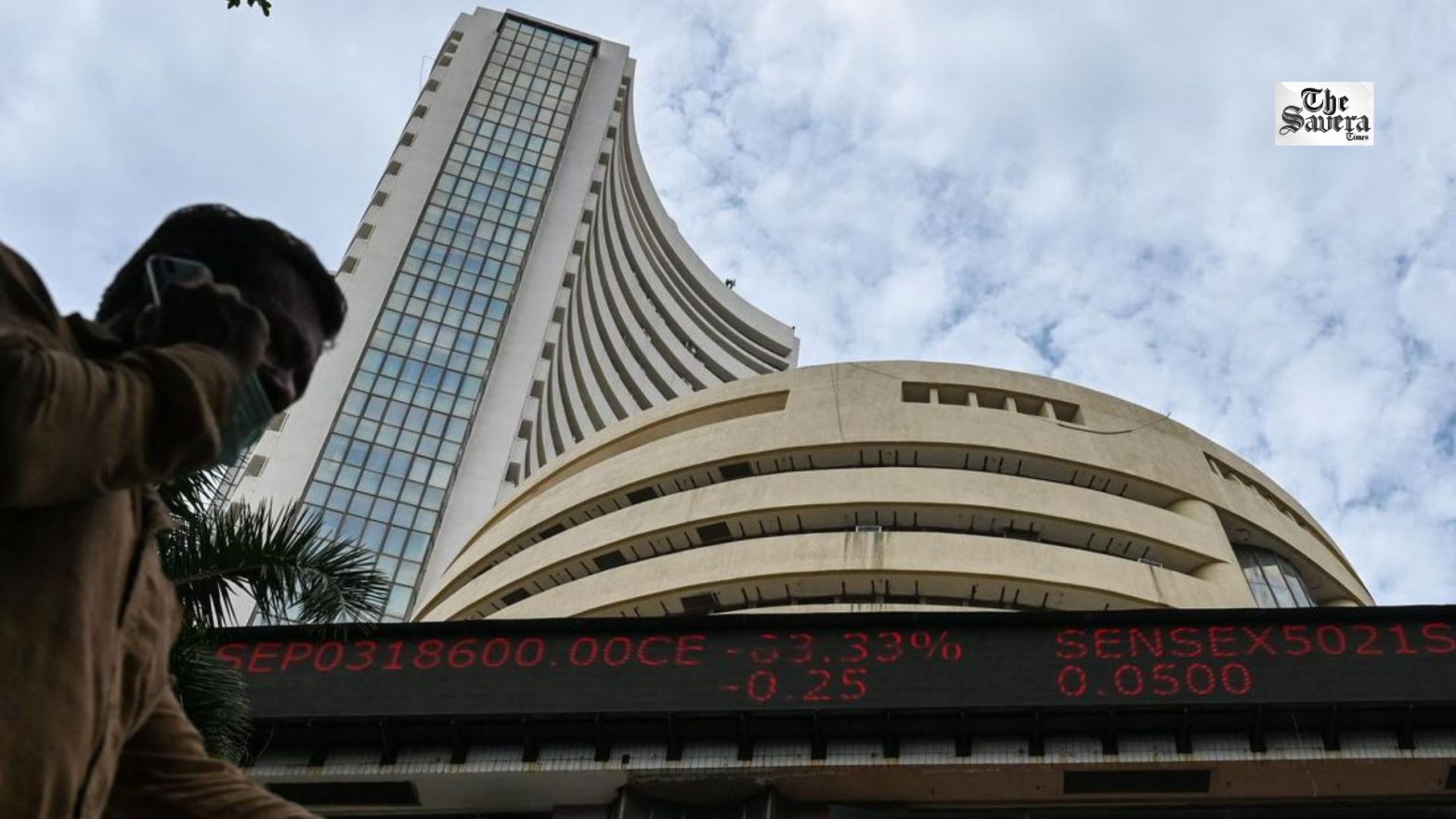
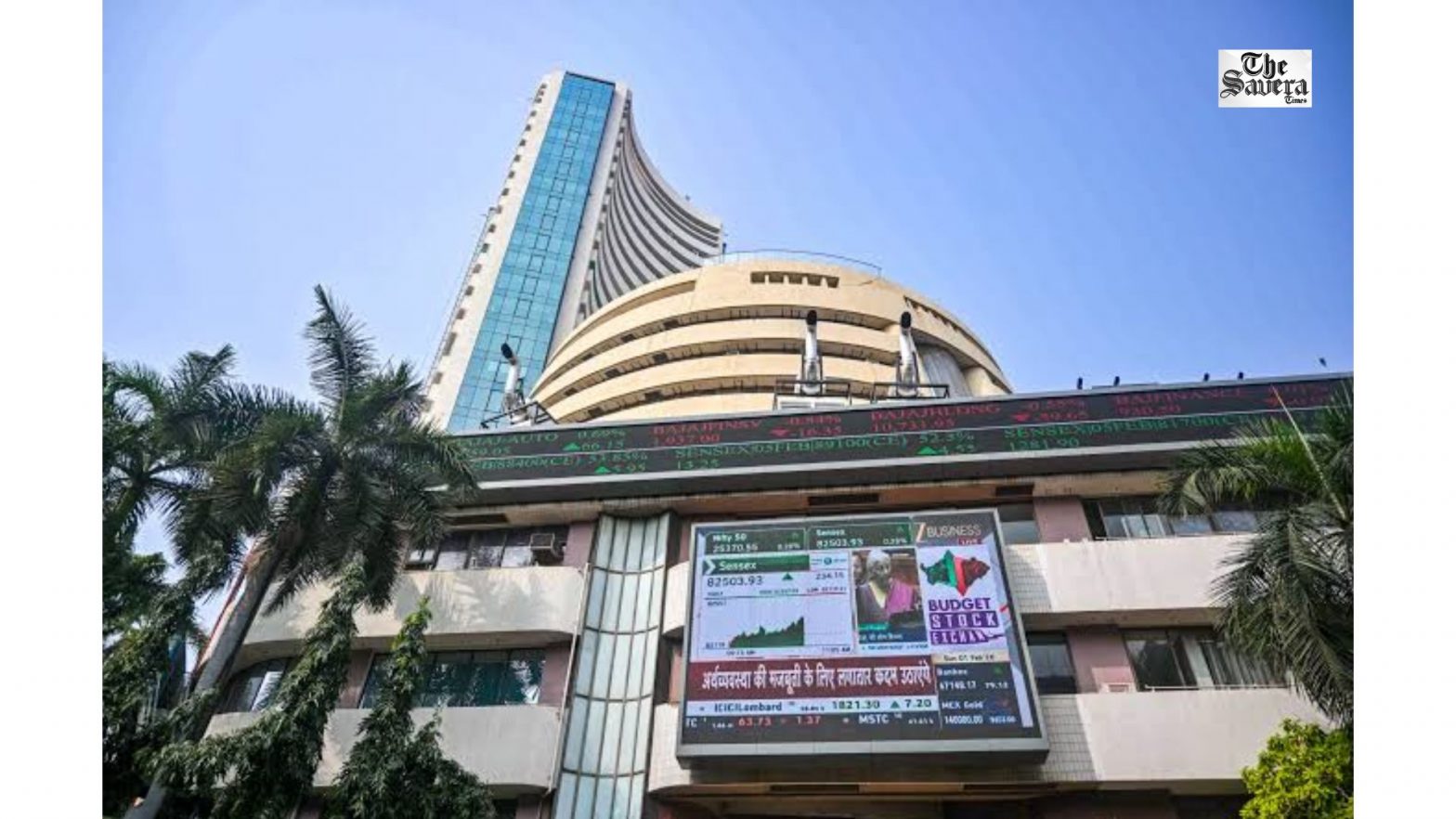
Indian markets slipped in early trade on Friday after Thursday's strong rally. IT shares offered support, while several other sectors declined as investors tracked quarterly earnings and global cues.
The Indian stock market opened on a positive note on Friday. Despite the US suspending several major IT and outsourcing companies from the Permanent Labor Certification Program, the IT sector witnessed strong buying.
Indian equity markets opened largely flat on Thursday, with Nifty near 22,600 as gains in IT and pharma stocks were offset by weakness in financial, FMCG and auto shares.
Indian stock market next week is likely to remain sensitive to crude oil prices, US jobs data, rising bond yields, global rate expectations and foreign investor flows.
Indian equity markets traded higher in early trade on Friday, with Sensex and Nifty gaining around half a per cent as IT and auto stocks advanced. Analysts expect a range-bound market amid global uncertainties and FII selling.
The combined market capitalisation of India's 10 most-valued companies increased by nearly Rs 93,000 crore last week. HDFC Bank and Bharti Airtel emerged as the biggest gainers, even as the broader stock market ended the week in the red.
Indian benchmark indices Sensex and Nifty posted marginal weekly losses after geopolitical tensions in West Asia weighed on markets, although banking and IT stocks helped drive a strong recovery on Friday.