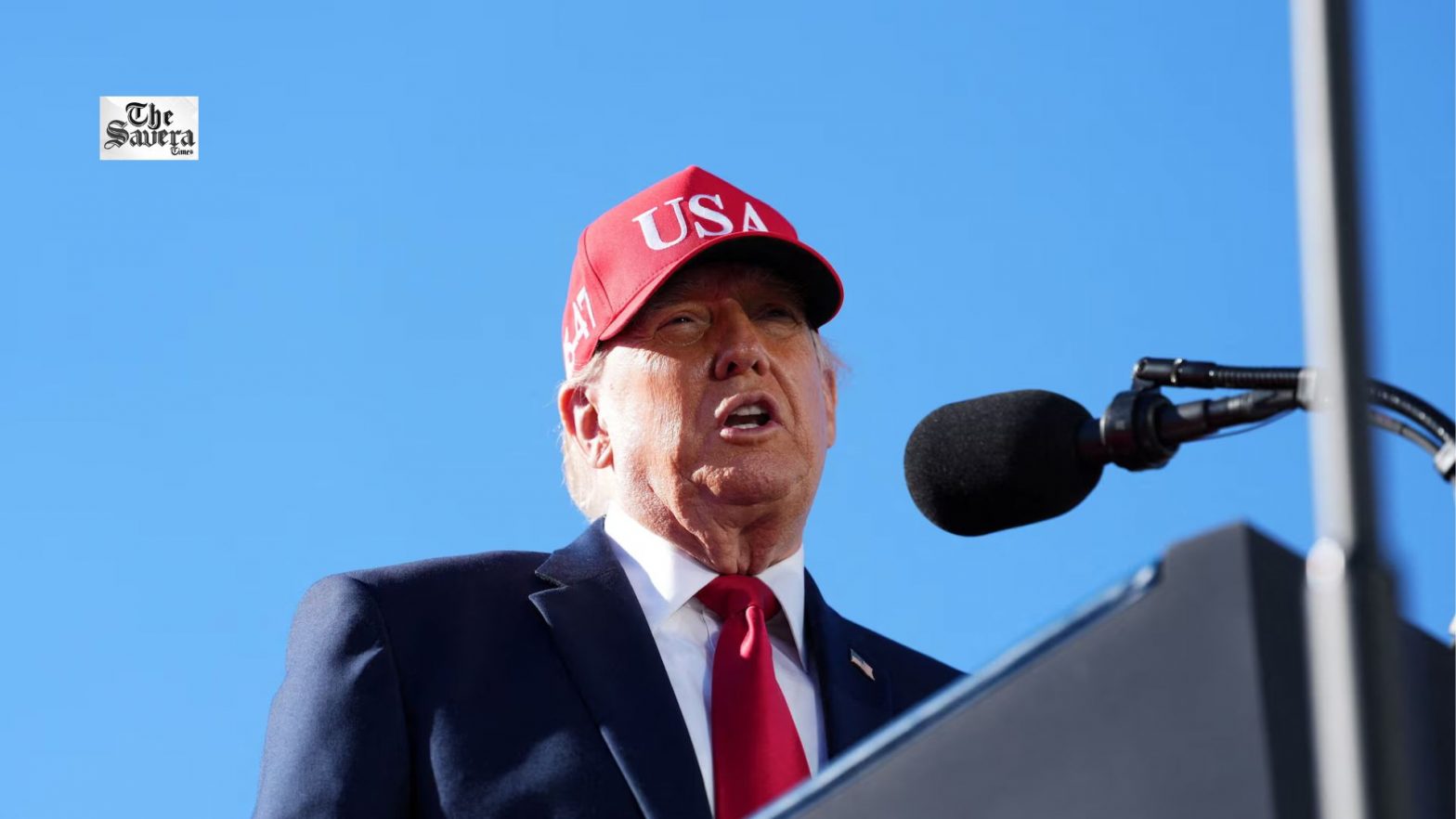
US President Donald Trump says the Iran conflict will end soon and predicts a sharp fall in oil prices, while insisting Tehran will never acquire a nuclear weapon.
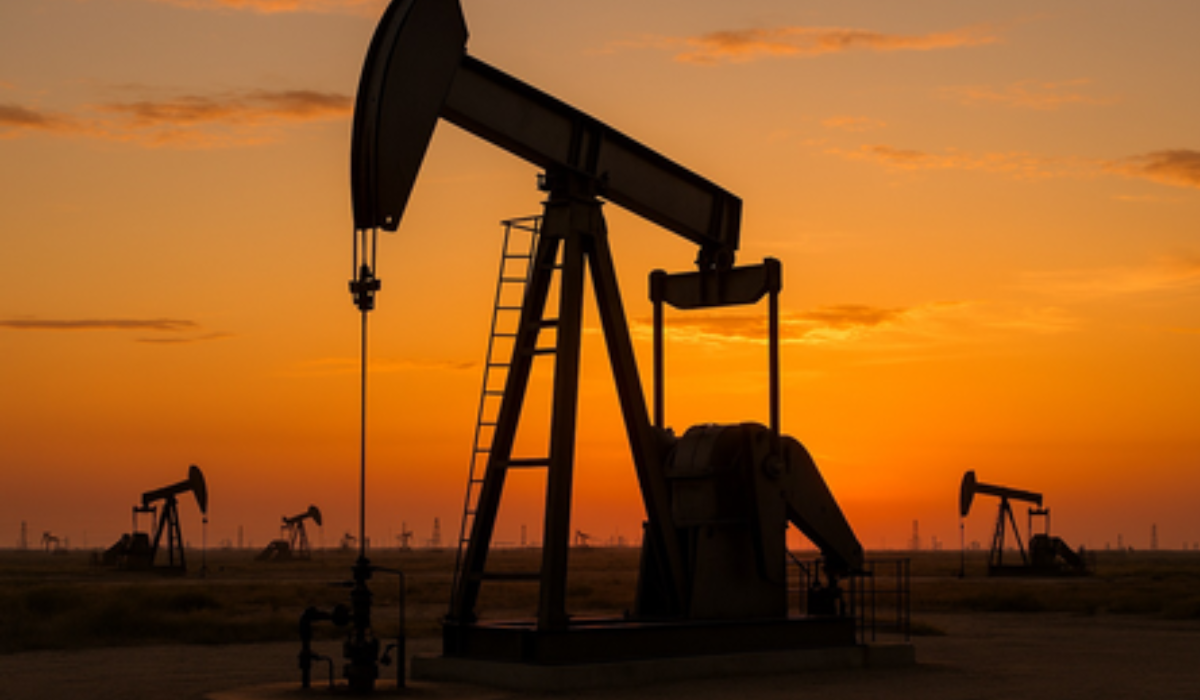
Global crude oil prices surged more than 2 per cent on Thursday, with Brent crude climbing above $96 a barrel after Iran-backed Houthi militants claimed responsibility for attacks on two Saudi Arabian oil tankers in the Red Sea, raising concerns over global supply disruptions.
~Abhishek Vij It was believed that a ceasefire had been reached between the US and Iran despite Israel’s disobedience. Iran’s accounts would be de-frozen within 60 days and it would receive war compensation. There were also talks of increasing trade between the two countries. Furthermore, the US claimed to have established a lasting peace. Meanwhile,.
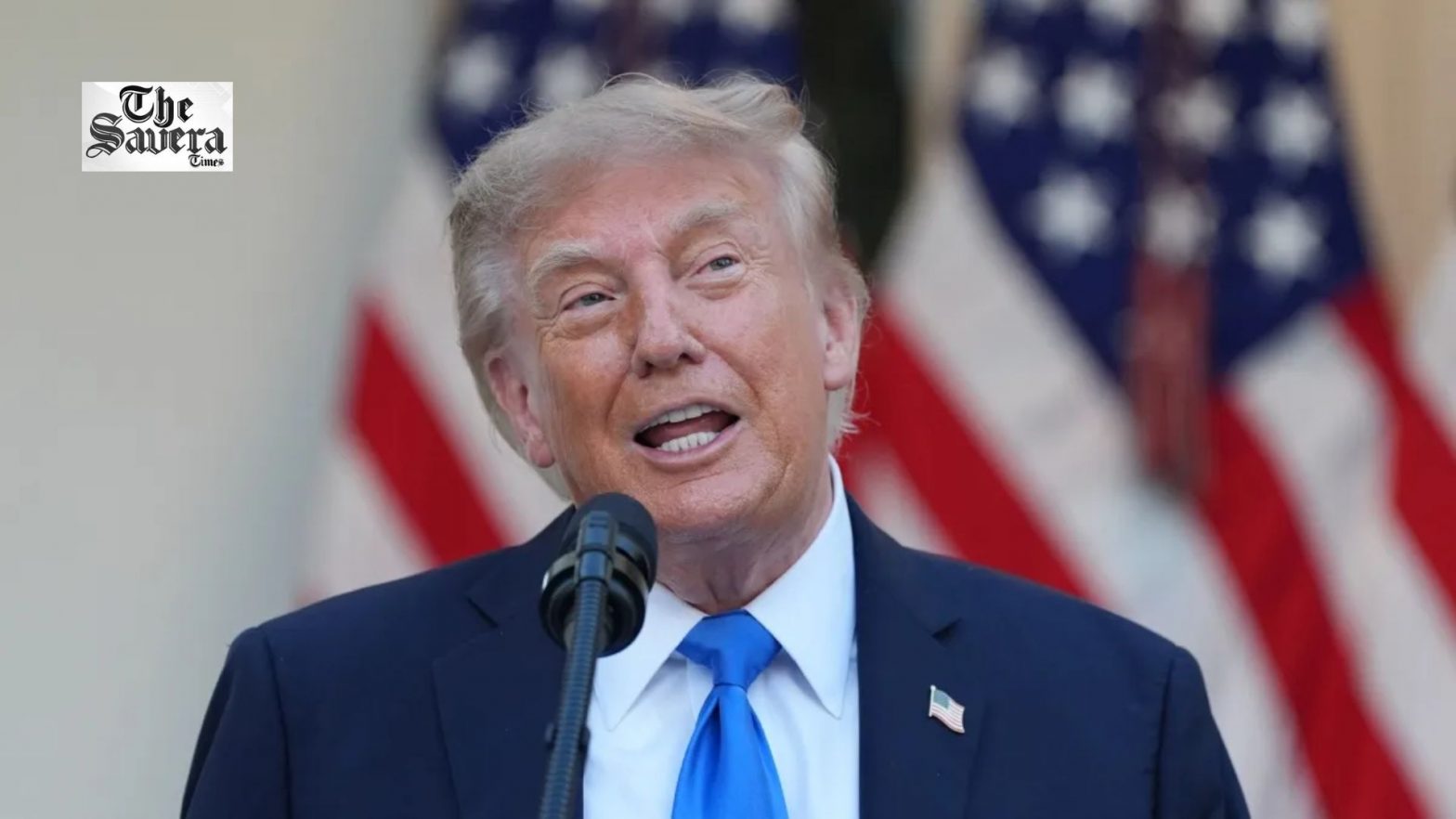
Although a ceasefire was reached approximately 110 days into the conflict involving the US, Israel, and Iran, the divergent stances of the nations involved continue to hinder the establishment of lasting peace. US President Donald Trump boasts that they have prevented Iran from developing a nuclear bomb and that the route through Hormuz is now.
Global oil prices extended their gains for a third straight session as escalating tensions in the Gulf region and the continued deadlock in Iran-US peace negotiations fuelled concerns over potential disruptions to global energy supplies. Investors remain on edge amid renewed military hostilities and uncertainty surrounding the future of diplomatic efforts between Washington and Tehran..
The conflict between the United States and Iran has triggered a severe energy price shock through Pakistan’s economy which is in dire straits with rising inflation, dwindling foreign exchange reserves and a fast-depreciating currency.
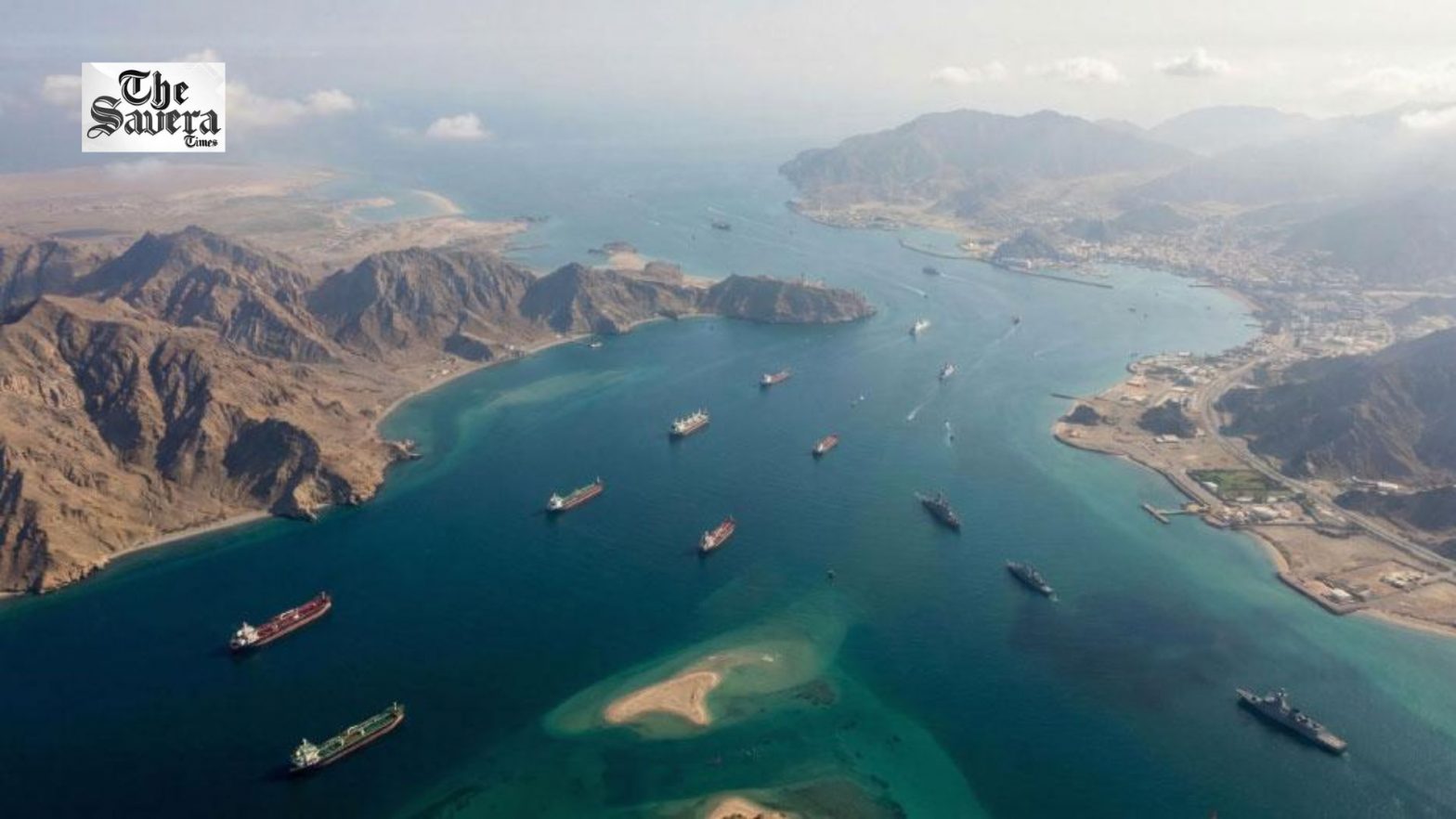
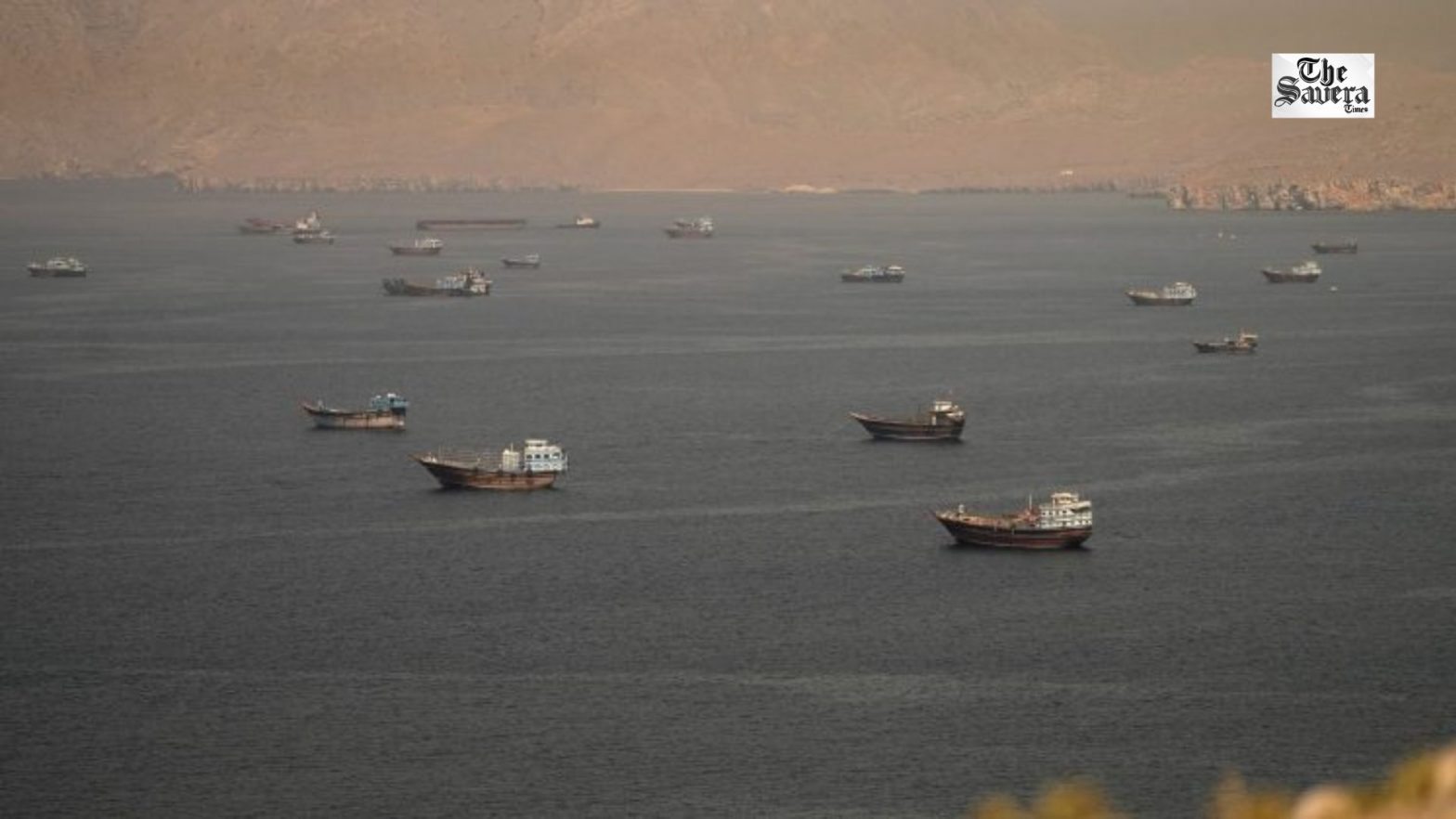
Mumbai: Global stock markets opened lower on Tuesday as renewed geopolitical tensions in the Strait of Hormuz dampened investor sentiment and triggered risk-off trading across major indices. Oil Prices Spike on Supply Fears Crude oil prices surged to around USD 113 per barrel as fears of supply disruptions in the key Middle East shipping route.