As cities grow taller and streets become busier, green spaces often shrink to small parks or narrow sidewalks with trees. Yet urban green spaces are not just decorative; they are essential for the physical, mental, and social well-being of city dwellers. In modern cities, where pollution, noise, and stress are constant, parks, gardens, and tree-lined.
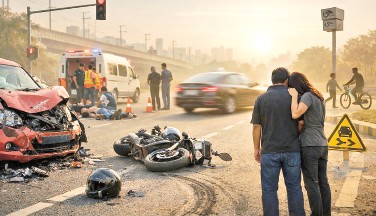
Roads are meant to connect us, yet they often become sites of tragedy. Every year, thousands of lives are lost in traffic accidents, many of which are preventable. In India alone, road accidents claim over 150,000 lives annually, leaving families shattered and communities grieving. While governments implement stricter traffic laws, build safer roads, and run.
Smoking remains one of the leading causes of preventable illness and death worldwide. Despite widespread awareness of its dangers, millions of people continue to smoke, often underestimating how deeply it harms the body and mind. Quitting smoking is not just a medical decision; it is a life-changing choice that can dramatically improve health, relationships, and.
The environment is the foundation of all life on Earth. Clean air, safe water, fertile soil, forests, rivers, and oceans sustain human survival and support countless other species. Yet, in the pursuit of rapid development and economic growth, the natural balance of the planet has been severely disrupted. Environmental degradation is no longer a distant.
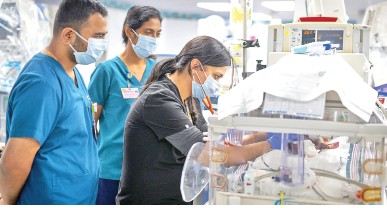
Neonatal seizures are among the most serious medical emergencies affecting newborns. Occurring within the first 28 days of life, these seizures often signal an underlying problem in the brain and require immediate medical attention. Unlike seizures in older children or adults, neonatal seizures can be subtle and easily missed, yet their impact on a child’s.
Big policy announcements often dominate headlines, but real development is rarely loud. It arrives quietly—in a vaccination that isn’t missed, an insurance claim that doesn’t stall, a job training that actually leads to employment. The UNDP’s 2025 account of India’s progress reminds us of a crucial truth: governance matters most when it works consistently, not.
Air pollution has emerged as one of the most pressing public health and environmental crises of our time. In cities across India, toxic air has become a routine reality, shortening life expectancy, worsening respiratory diseases, and placing an enormous burden on healthcare systems. Among the many contributors to this crisis, vehicular emissions remain a dominant.
In today’s fast-paced world, anxiety has become almost a default state for many young people. From endless academic pressures and job uncertainties to social media comparisons and global crises, young minds often feel trapped in a constant cycle of worry. While some level of concern is natural, persistent anxiety can erode health, happiness, and potential,.
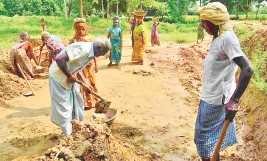
As the Aam Aadmi Party government in Punjab and the Congress oppose the G-RAM-G Act, the real issue is being obscured: whether a rural employment guarantee that under-delivered for years and enabled entrenched vested interests should remain immune to reform. The resolution passed in the Punjab Assembly opposing the Viksit Bharat–Guarantee for Rozgar and Ajeevika.
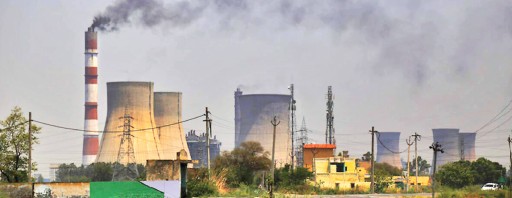
India is working on a significant recalibration of its power sector strategy that would allow coal-based power plants to operate at much lower capacities, a move aimed at creating more space for solar energy within the national electricity grid, officials familiar with the discussions said. The proposed shift reflects a growing recognition within the government.
Water remains one of India’s most decisive resources, shaping public health, food security, and economic development. Yet our dependence on the monsoon, coupled with rising demand and uneven distribution, has pushed the country towards a point where every drop must count. If India treats water management not simply as an environmental issue but as a.