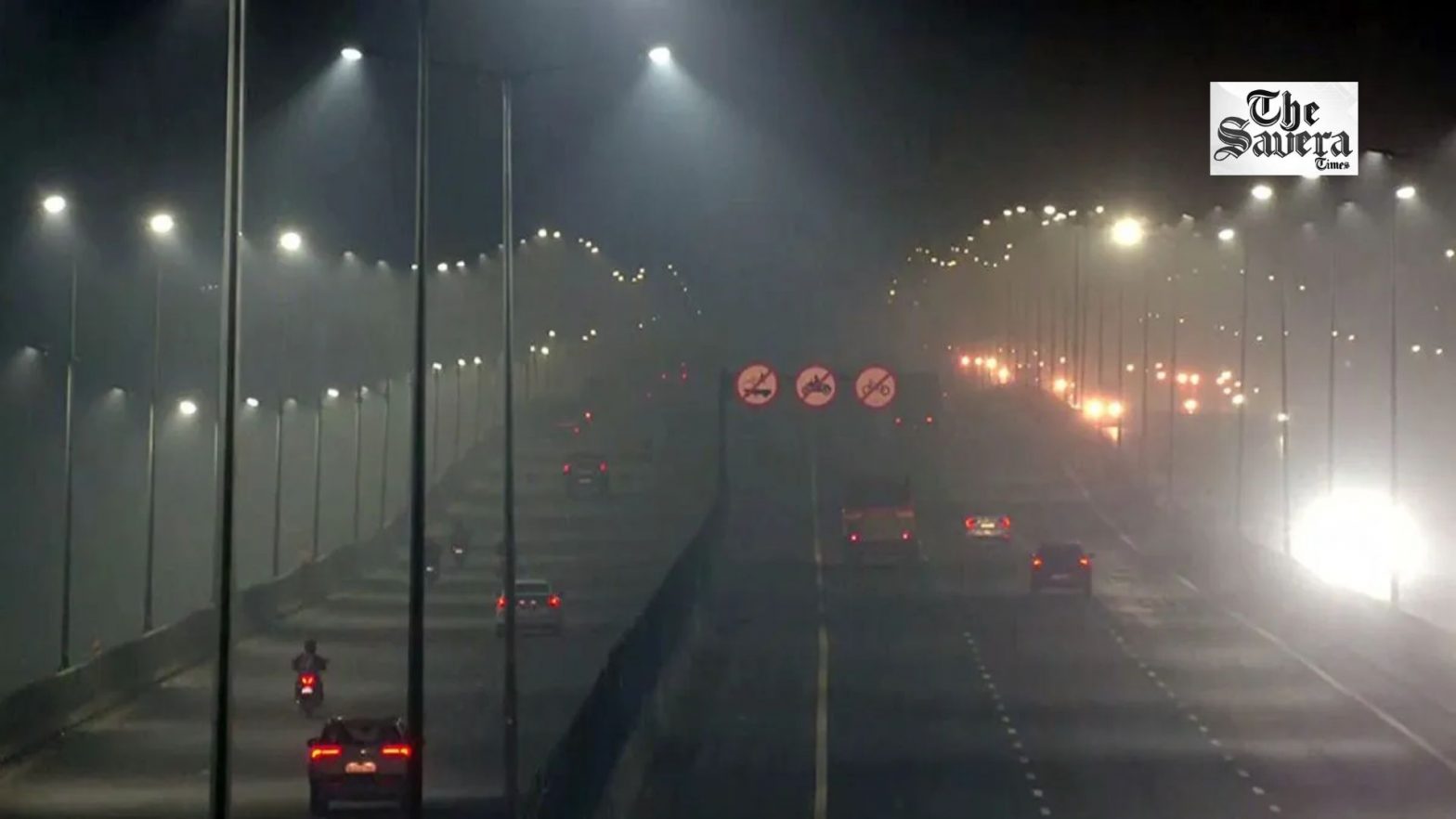
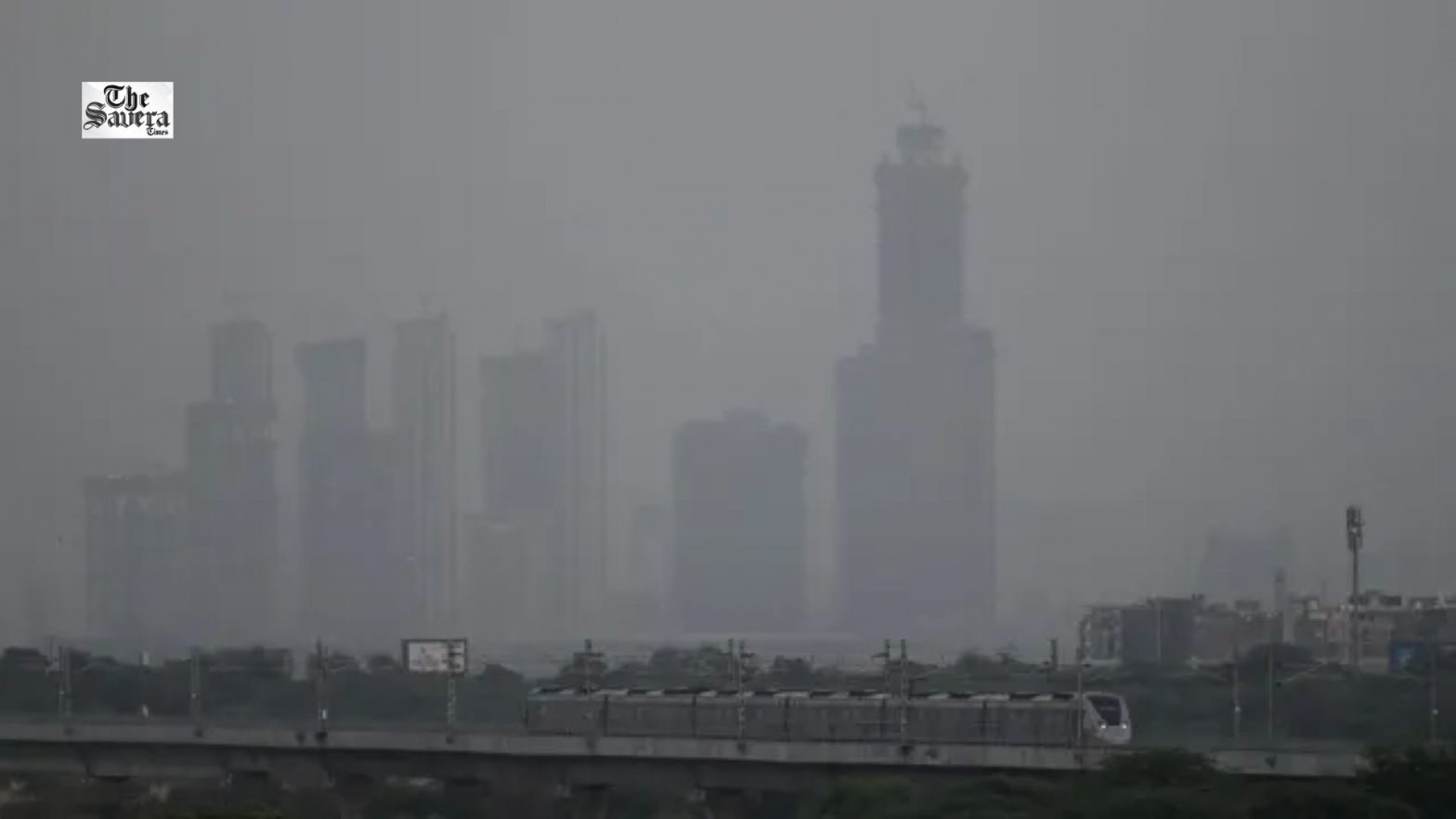
Delhi's AQI stood at 371 at 10:24 pm on Diwali, with Sonia Vihar recording 463. The EWS has warned that pollution across Delhi-NCR may turn severe from November 9.
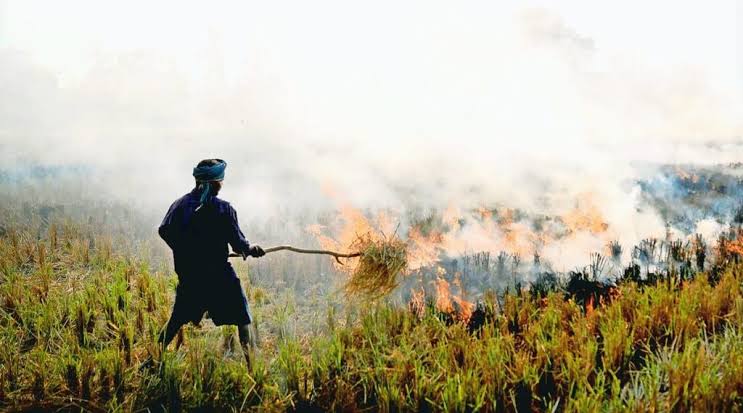
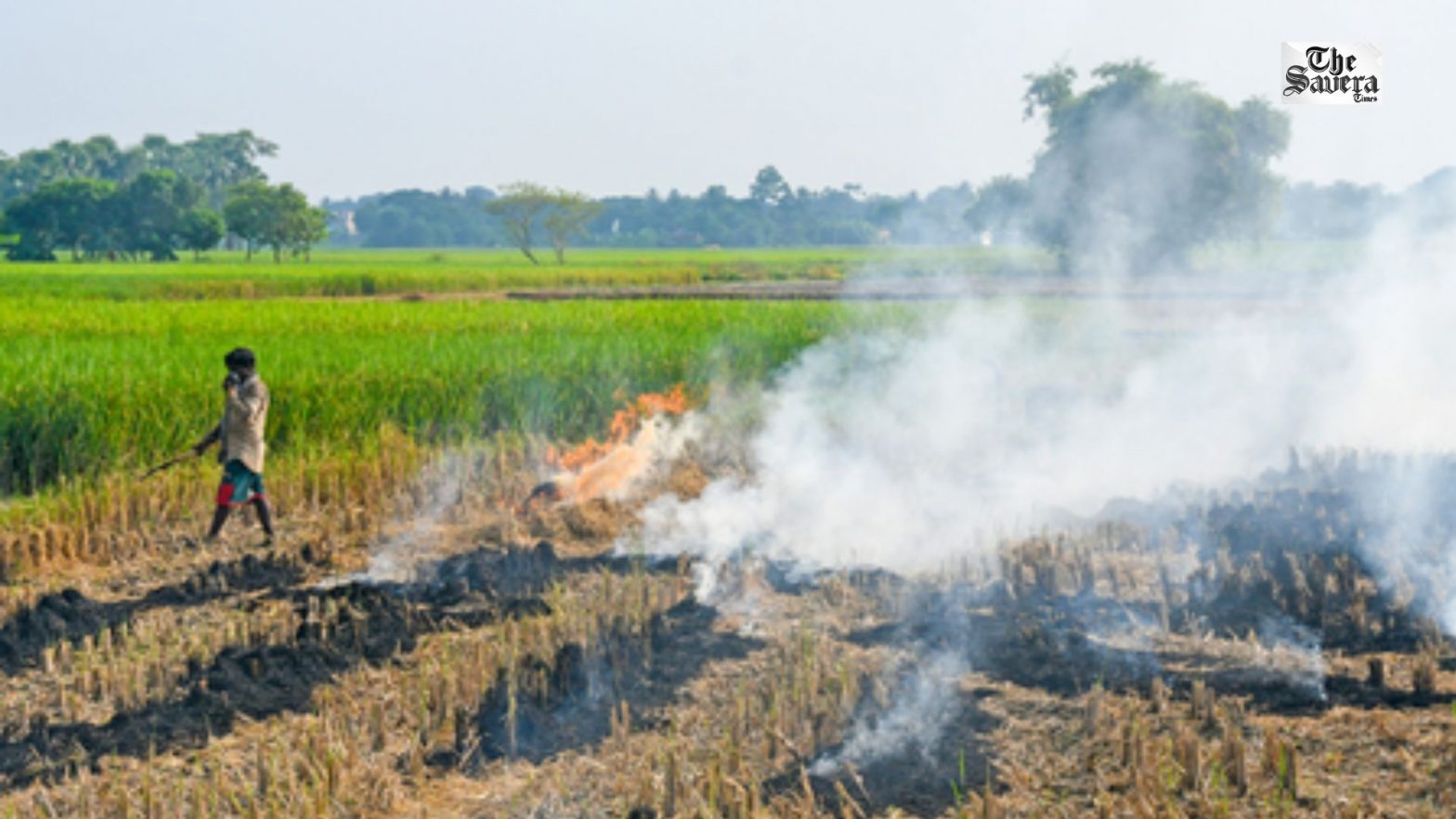
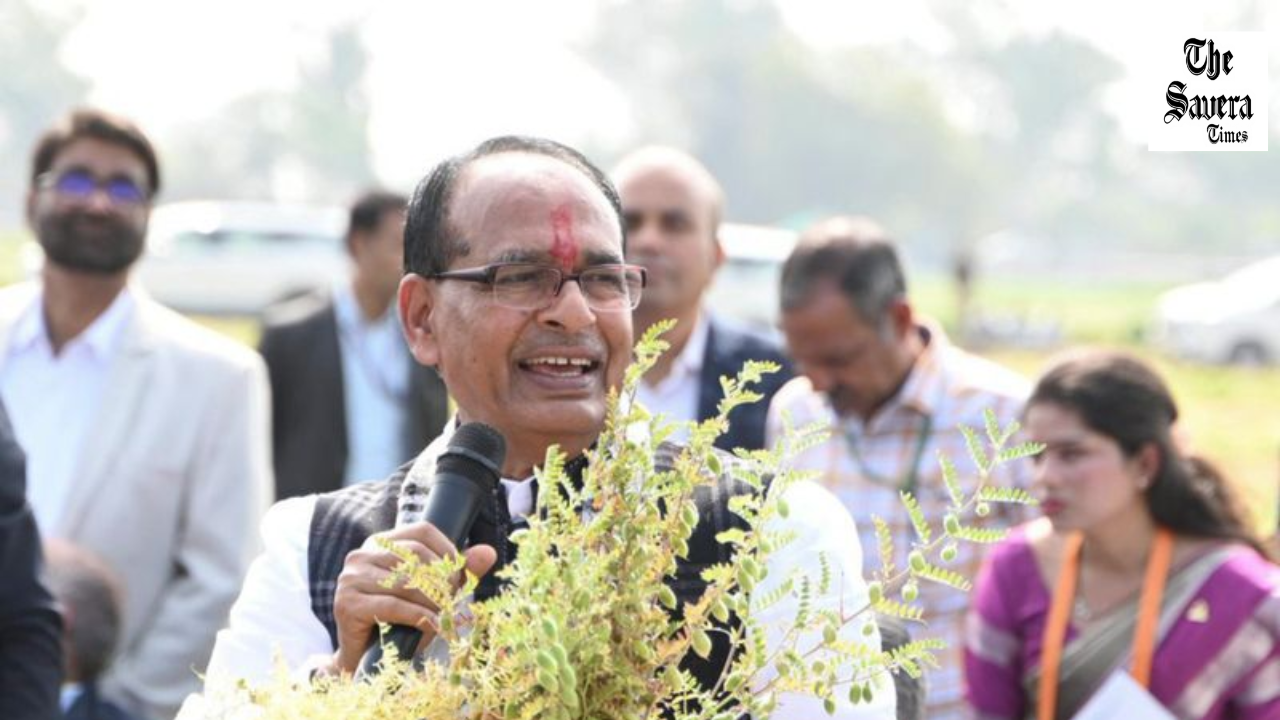
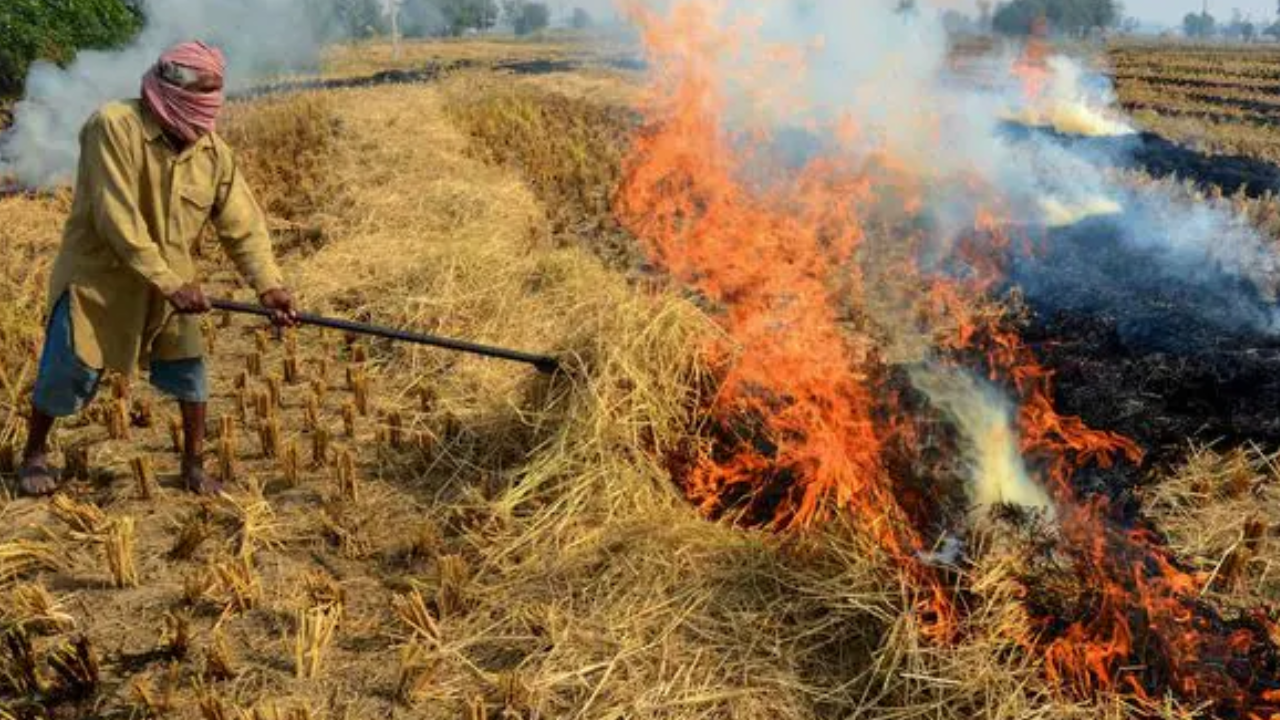
Union Agriculture and Farmers’ Welfare Minister Shivraj Singh Chouhan told the Rajya Sabha that farm fires in Punjab and Haryana contribute just about 5 per cent to the winter smog in the Delhi‑NCR region, according to scientific studies cited by the government. He emphasized that while crop residue burning does affect air quality, it is not.
Punjab farmers reduce stubble burning by 85% since 2021, turning rice straw into biomass fuel. CAQM chief hails the “stubble revolution” for cleaner air and new incomes.
Punjab’s minimum temperature dropped by 0.7°C while maximum temperature rose slightly by 0.5°C. Dry weather is expected to continue with no rain forecast.
According to Punjab Pollution Control Board (PPCB) data, ₹11.45 lakh has been imposed as environmental compensation in 226 such cases, out of which ₹7.40 lakh has been recovered so far.
Chandigarh: There is no change in the temperature in Punjab. The state’s maximum temperature remains near normal. The Meteorological Center says that there is no change in the weather for the next five days, and the weather will remain dry. The highest temperature in the state was recorded at 35.2 degrees in Bathinda. The state’s.
Chandigarh: The 2025 floods in Punjab and Haryana acted as an “unplanned intervention”, reducing rice crop residue fires by up to 77 per cent, according to a recent analysis, leading to a 15.5 per cent drop in Delhi’s average PM2.5 levels compared to the same period in 2024. Floods Disrupt Agricultural Residue Burning The analysis,.