In Rewari, a young man took his own life by hanging himself with a ‘chunni’ (scarf) inside a hotel in Sector-6, Dharuhera. The incident has caused a stir in the surrounding area. Due to a domestic dispute, Rahul Yadav a resident of Sector-6 had been staying at the hotel as a paying guest for the.
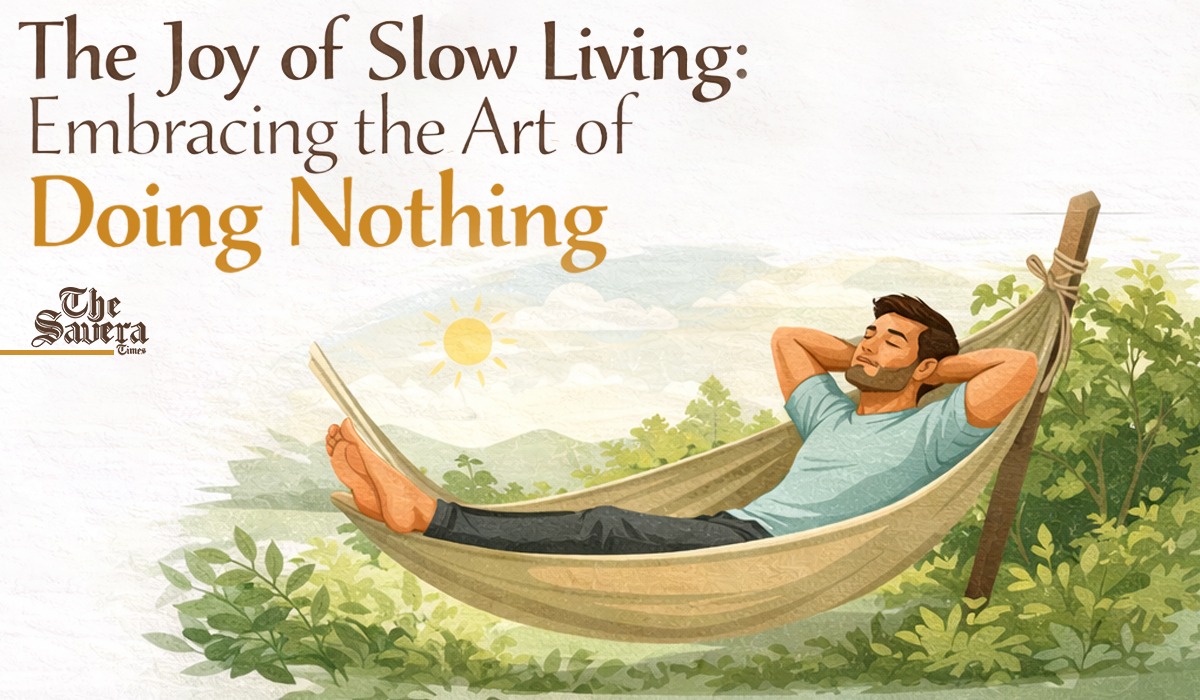
Discover the rising trend of slow living. Learn how embracing stillness, mindful moments, and intentional pauses can improve mental health, reduce stress, and enhance overall well-being.
In an era dominated by smartphones, social media, and constant notifications, urban life has become synonymous with mental clutter. While therapy and meditation apps have become mainstream, a quieter, more immersive trend is emerging: digital detox retreats. Across India, these retreats offer urban professionals a structured escape from the hyperconnected world, focusing on mental restoration,.
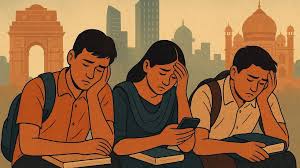
Mental health issues among university students in India have become increasingly prominent in recent years. Academic pressure, social expectations, career uncertainty, and personal challenges create a high-stress environment that affects students’ psychological well-being. Surveys indicate that nearly 40% of college students in India experience symptoms of anxiety, depression, or stress, yet access to mental health.
Mental health has long been a neglected subject in India, discussed in whispers and burdened by stigma. Among young people, however, the crisis is becoming impossible to ignore. Academic pressure, unemployment, social media, and uncertainty about the future are combining to create widespread psychological distress. Students face intense competition from an early age. Entrance exams.
The University Grants Commission (UGC) is the regulatory body for higher education in India. The UGC has announced a new policy that aims to make it the responsibility of educational institutions not only to foster the academic development of students and young people but also to monitor and properly address their mental health. Statistics show.
For decades, mental health in India remained a subject confined to medical textbooks and whispered conversations. Emotional distress was often dismissed as weakness, personal failure, or something to be endured in silence. Today, that silence is slowly breaking. Conversations around mental health are becoming more visible, reflecting changing social realities and a growing recognition that.
Modern life is moving faster than ever before. Technology has shortened distances, work hours have stretched beyond offices, and social expectations have multiplied. While these changes have improved convenience and connectivity, they have also placed unprecedented pressure on mental well-being. Mental health, once treated as a private or secondary issue, has become a central challenge.