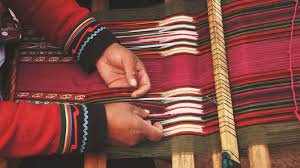
India has a rich legacy of handloom weaving that dates back centuries. From the intricate silk weaves of Varanasi to the cotton ikats of Odisha, handloom fabrics have been a symbol of cultural identity and craftsmanship. However, the handloom industry has faced numerous challenges in recent decades, including competition from power looms, declining patronage, and.
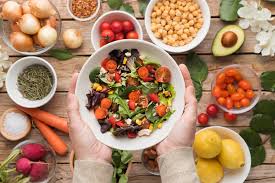
Plant-based diets are gaining significant traction in South Asia, driven by health consciousness, environmental concerns, and cultural shifts. Once associated primarily with vegetarian traditions in India, Nepal, and Bangladesh, plant-based eating now appeals to a broader demographic, including young urban professionals, fitness enthusiasts, and environmentally aware citizens. Health benefits remain a primary driver for this.
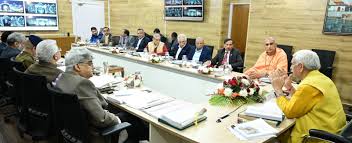
On Thursday, Jammu and Kashmir Lieutenant Governor Manoj Sinha chaired the 50th meeting of the Amarnath Shrine Board. Last year, the Amarnath Yatra was halted due to inclement weather. However, the enthusiasm of the pilgrims was so strong that the number of pilgrims ultimately increased. Keeping this experience in mind, several new decisions were made.
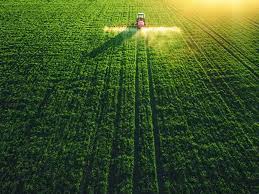
Agriculture, the backbone of food security and rural livelihoods, is undergoing rapid transformation through technological innovation and sustainable practices. As global populations grow and environmental pressures intensify, modern farming techniques are critical to meet rising demands while conserving natural resources. Precision agriculture is at the forefront of innovation. Using GPS, drones, sensors, and data analytics,.
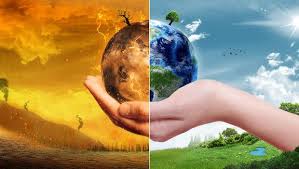
Climate change, driven primarily by human activities, has emerged as the defining environmental challenge of the 21st century. Rising greenhouse gas emissions, deforestation, and industrialization are altering the Earth’s climate systems, leading to a cascade of ecological, social, and economic consequences. The science behind climate change is grounded in the greenhouse effect. Carbon dioxide, methane,.
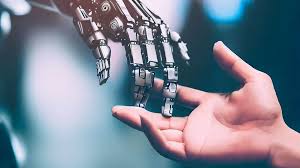
Artificial Intelligence (AI) has moved from being a futuristic concept to an integral part of daily life. Once limited to research labs and tech giants, AI is now embedded in smartphones, home assistants, and even public services. The technology relies on algorithms capable of learning patterns, making decisions, and predicting outcomes, making it both powerful.
The Punjab government has launched the “Sade Bujurg, Sada Maan” (Our Elders, Our Respect) campaign from January 2026 to honor the state’s elderly and prioritize them in daily life. Punjab has the highest number of elderly people compared to other states in the country. In the twilight of life, when the elderly are unable to.
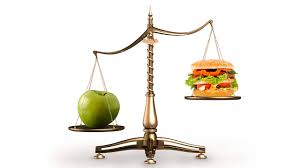
Nutrition plays a central role in maintaining health, preventing disease, and ensuring overall well-being. A balanced diet provides the body with essential macronutrients, vitamins, and minerals, supporting physical and mental performance. A balanced diet typically consists of carbohydrates, proteins, fats, vitamins, minerals, and fiber. Carbohydrates are the primary energy source, found in whole grains, fruits,.
Mental health has historically been a neglected aspect of public health in India, overshadowed by physical illnesses and infrastructural challenges. However, rapid urbanization, high-pressure work environments, and changing social dynamics have made mental health a critical issue, especially in cities. Stress, anxiety, depression, and substance abuse are increasingly common, yet stigma, misinformation, and lack of.
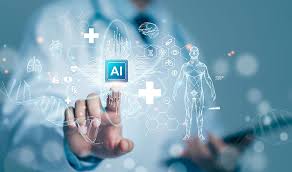
Artificial intelligence (AI) is transforming healthcare worldwide, offering unprecedented opportunities to improve diagnosis, treatment, and patient care. From predictive analytics to robotic surgeries, AI applications are redefining medical practices, optimizing healthcare systems, and potentially saving millions of lives. However, alongside the promise of AI, challenges related to ethics, accessibility, and accountability remain significant. One of.
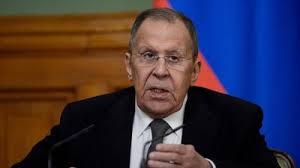
In the outline of the trade deal between India and the United States, the US is making a significant claim that India will no longer purchase crude oil from Russia. Instead, India will purchase oil from the US and Venezuela. Consequently, the tariff on India has been reduced from 50 percent to 18 percent. India’s.